


At present, NATO members dictate rules on how and where specific national weapons can be used. The new proposal would allow Grynkewich greater flexibility in moving assets within the alliance and adjusting military readiness levels without formal approval, officials said.
The proposal would integrate NATO’s ballistic air defense systems with its fighter jet air policing missions across Eastern Flank countries and beyond, transitioning them to air defense missions.
Some NATO allies have complained that these national caveats create inconsistent rules across the alliance and limit Grynkewich’s ability to quickly address aerial threats.
Countries have debated removing these constraints amid increased drone incursions since at least October. The launch of Iranian ballistic missiles toward Turkey earlier this year added urgency to the discussion for a unified alliance approach, a NATO official noted.
“Nations look to NATO when a drone enters their airspace,” the official added, but NATO also “needs nations to do their part” by removing their restrictions.
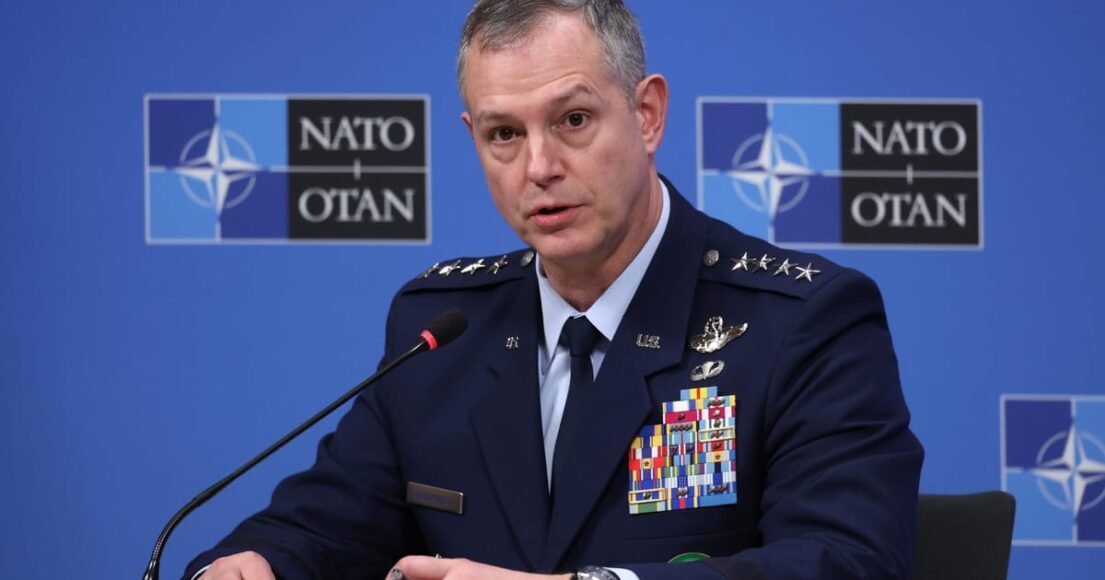
According to the official, Grynkewich presented his proposals for increased flexibility to the alliance’s 32 ambassadors earlier this year.










Leave a Reply