


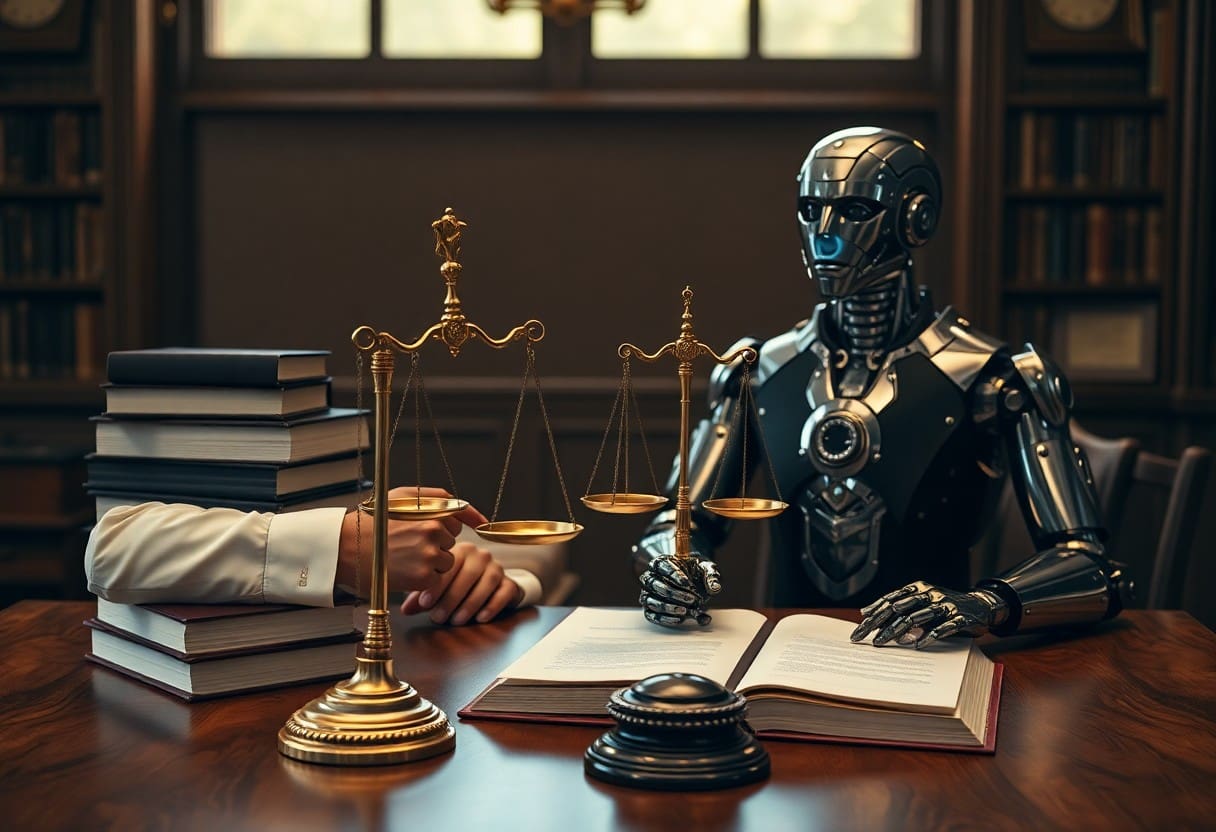
Current thinkers are questioning if posthumanist ideals are changing our understanding of moral responsibility. As technology increasingly blurs human-machine distinctions, the core of moral agency is facing unprecedented challenges. There are potentially risky changes in accountability, particularly when autonomous systems make critical decisions. However, these ideals also present significant opportunities to broaden ethical considerations beyond traditional limits.
The Decline of the Human Subject
You are no longer at the forefront of moral consideration as posthumanist thought breaks down the boundaries of the autonomous human agent. Agency is redistributed across networks of machines, animals, and algorithms, questioning the foundation of personal responsibility. This shift destabilizes traditional ethics, requiring you to consider if moral accountability can extend beyond human intent. Your sense of self is emergent, complex, and shared.
Beyond Simple Good and Evil in Machines
You already treat some machines as if they have intent. When an algorithm suggests harmful content, you don’t just blame the code—you question the system behind it. This blurs the line between tool and agent. If AI systems influence behavior without moral understanding, holding them accountable becomes a fallacy. Yet society edges closer to granting them a quasi-moral status, not through consciousness, but through impact. You are starting to judge outcomes rather than intentions.
The Overman and the Cybernetic Loop
You embody Nietzsche’s Übermensch through integration with feedback-driven systems that reshape desire and action. The machine observes, predicts, and changes your choices before you even make them. In this loop, autonomy becomes blurred—moral agency is co-authored by algorithms. You no longer act alone; your decisions arise from a shared space between human intent and computational influence.
To Conclude
In conclusion, posthumanist ideals require a rethinking of moral agency by questioning human-centric foundations of ethical responsibility. As nonhumans, artificial systems, or hybrid entities partake in moral decisions, you must reconsider the limitations of traditional ethical frameworks, assessing who—or what—can act with moral intent.
With posthumanist ideals redefining personhood, you face a significant shift in how moral agency is assigned. Technologies like AI and genetic enhancement challenge traditional human exclusivity in ethical decision-making. You must consider whether extending agency beyond humans strengthens ethics or risks weakening accountability.
The Decline of the Human Subject
You are no longer the focus of moral life as a complete, rational agent. Posthumanism dismantles the sovereign self, replacing it with distributed networks of agency where humans, machines, and environments influence ethical outcomes. This shift destabilizes traditional accountability, compelling you to rethink responsibility when no single subject controls an action.
The Fall of the Autonomous Ego
Autonomy dissolves when your decisions arise from algorithmic nudges, biological impulses, and social feedback loops. The isolated, rational ego is a myth—you are shaped by forces beyond conscious control. Moral agency can no longer assume a free, independent will making choices in isolation.
Dissolving Self Boundaries
Identity fades when your thoughts are augmented by AI, your body enhanced by implants, and your emotions shaped by digital environments. You are not a fixed entity, but a fluid mix of human and non-human elements. This challenges the foundation of personal responsibility.
Consider how neural interfaces enable machines to anticipate your intentions before you consciously form them. In such situations, the source of a decision becomes indistinguishable between your brain and the interfaced technology. When actions arise from this hybrid space, assigning moral credit or blame becomes deeply ambiguous—forcing you into a world where agency is shared, not owned.
Beyond Good and Evil in Machines
You’re already intertwined with machines that influence choices without permission. As posthumanist ideals blur moral lines, algorithms begin to act as silent co-authors of ethical decisions. Reclaiming Humanistic Agency in the Age of Algorithms means










Leave a Reply