


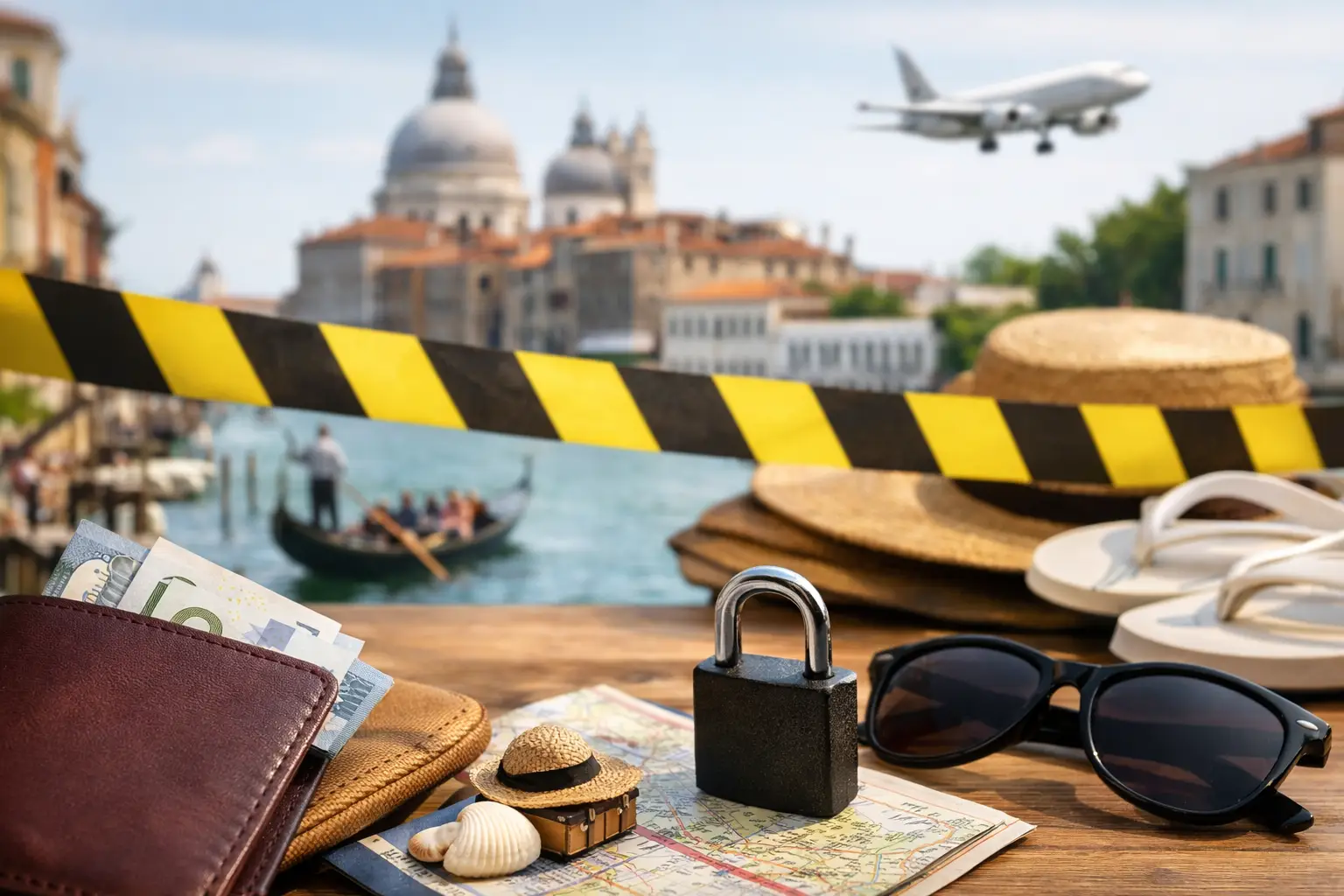
A flight cancellation at the start of August is more than just a hassle. For many in Europe, vacations now intersect with transport disruptions, border regulations, healthcare access, digital fraud, and consumer rights. What once was a personal break is increasingly influenced by public systems, and when these systems fail, travellers pay the price.
Beyond tourism, this reveals how European consumer protections function, how effectively states communicate with citizens, and whether cross-border rights hold up under pressure. This isn’t just a lifestyle issue; it tests accountability.
Why Holidays Are a Public-Interest Issue
Modern holidays rely on a network of actors: airlines, rail operators, booking platforms, insurers, hospitals, consular services, and border controls. If one link breaks, the effects can rapidly cascade. A missed connection leads to a lost booking, a lost passport affects employment if return is delayed, and medical issues abroad can spark disputes over entitlements or emergency care.
Europe has stronger passenger and consumer protections than many regions, but there’s a gap between rights on paper and practical remedies. Compensation rules might exist, but enforcement is often slow. Call centers can be hard to reach during peak times. Platforms may shift responsibility to suppliers, and vice versa, leaving travellers stuck in an administrative maze.
Holidays reveal whether governments and companies treat mobility as a right or merely a commercial transaction.
Pressure Points Behind Disrupted Holidays
The first pressure point is transport capacity. Airlines and airports face seasonal surges, staffing issues, and operational bottlenecks. Rail can be more resilient on some routes, but strikes, infrastructure failures, and complex cross-border bookings still pose challenges. During peak times, a minor delay early in the day can snowball by evening.
The second is digital dependency. Boarding passes, hotel confirmations, insurance documents, bank authentication, and emergency contacts are all on mobile devices. If a device is lost, loses charge, or fails, the effects are immediate: travellers can be locked out of accommodation, funds, and proof of booking within minutes.
The third is fragmented responsibility. Many vacations are pieced together from multiple providers rather than a single package. This can lower costs but increases points of dispute. If a flight is delayed and a hotel booking is non-refundable, travellers may find out too late that each company only recognizes its own obligations.
The fourth is weak preparedness. People often research destinations but neglect administrative basics like document validity, health cover, transport strike contingency, roaming, local emergency numbers, and payment backup. While most trips go smoothly, rights are easiest to enforce when records, receipts, and proof are in order.
What Travellers in Europe Should Check Before Holidays
Preparation isn’t glamorous but can reduce avoidable losses.
Documents and Entry Rules
Check passport validity well before departure, including any extra validity required by the destination. This is a frequent failure point, especially outside the EU and for UK travellers crossing different entry regimes. If visas or travel authorizations are needed, verify conditions directly and allow for delays.
Store digital and paper copies of passports, insurance documents, tickets, and accommodation details separately. If a phone is lost, access to basic records should remain intact.
Health Cover and Medical Access
Don’t assume a standard health card or travel policy covers everything. Emergency treatment might be available, but repatriation, private care, mountain rescue, or pre-existing conditions might be excluded. The details matter more than marketing slogans.
Travellers with regular medications should carry enough for the full trip plus a small contingency. Some medicines face cross-border restrictions. Checking beforehand can prevent crises that insurers might not easily resolve later.
Payments, Fraud, and Digital Security
Use multiple payment methods and don’t keep all cards together. Set bank alerts before departure and know how to freeze cards quickly. Holidays are prime time for phishing, fake booking messages, and fraudulent requests that exploit stress.
Public Wi-Fi, QR-code scams, and cloned booking interfaces are common enough to warrant routine security checks: verify sender details, avoid rushed transfers, and use two-factor authentication.
If Holidays Go Wrong, the First Hours Matter Most
When disruption occurs, people often waste time arguing before documenting. This is a mistake. First, create a clear record: what happened, when, what the provider said, and immediate costs.
Delays, Cancellations, and Denied Boarding
Request written confirmation of disruptions from the airline or operator if possible. Save screenshots of departure boards, app notifications, and rebooking offers. Keep receipts for meals, accommodation, and travel necessitated by the disruption.
The key issue is not just whether compensation exists, but whether the operator had a duty of care at that moment. Such duties may apply even when larger compensation disputes are unresolved. Travellers who grasp this distinction are better positioned when claiming later.
Lost Luggage and Damaged Baggage
Report issues before leaving the airport or station, and get reference documentation immediately. Delays in reporting weaken claims. Keep receipts for










Leave a Reply