


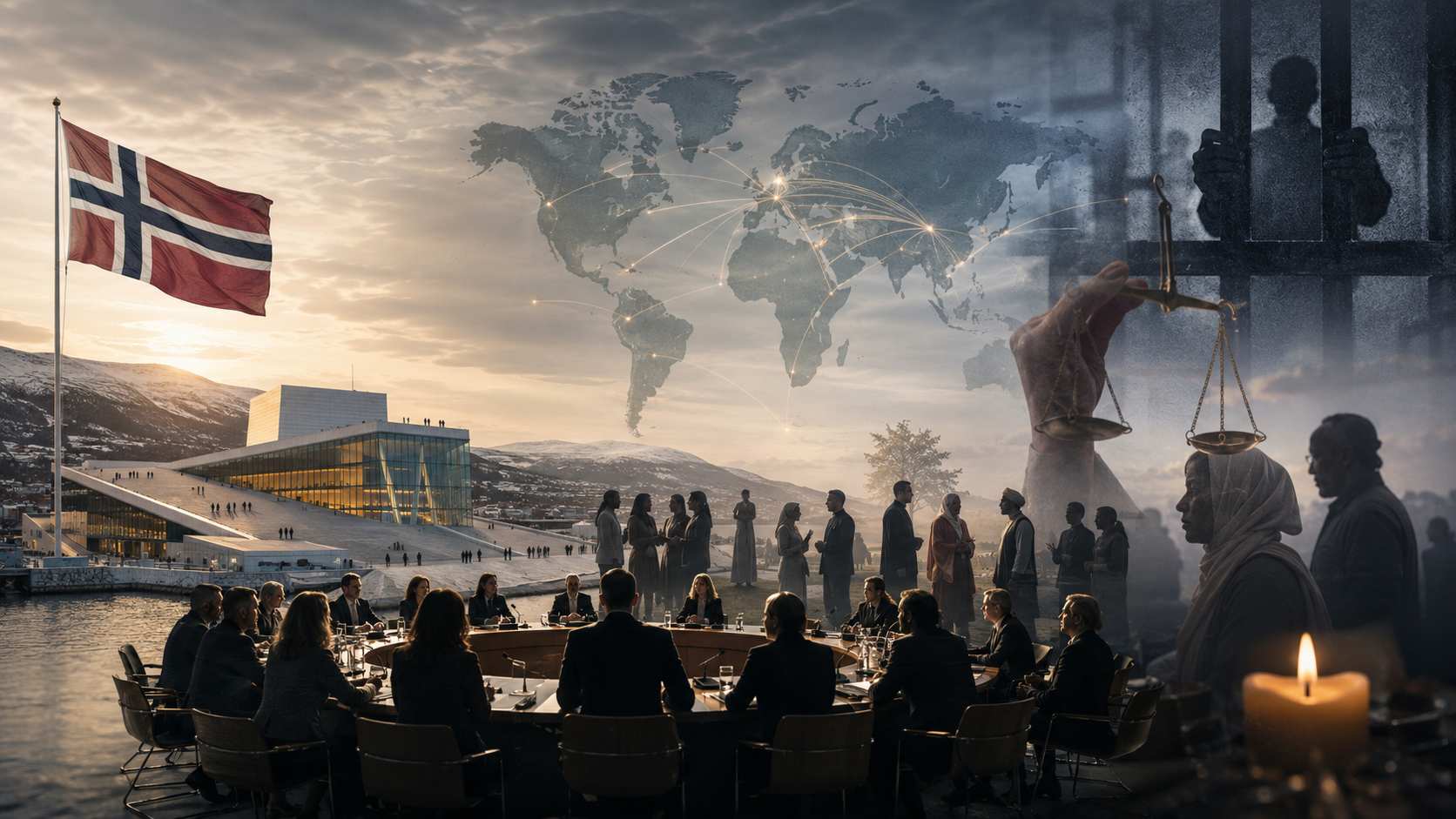
Norway has integrated freedom of religion or belief into its international development and human-rights policy, emphasizing protection of the universal right to believe, not to believe, change one’s belief, worship, dissent, organize, and live free from coercion or discrimination. Amid global pressures on this freedom, Norway has become one of Europe’s most vocal advocates. Its policy, aligned with Article 18 of both the Universal Declaration of Human Rights and the International Covenant on Civil and Political Rights, is enacted through diplomacy, development cooperation, civil-society alliances, and multilateral engagement.
The Norwegian Ministry of Foreign Affairs declares that protecting and promoting freedom of religion or belief is based on a human-rights approach, focusing on religious and belief minorities. Norway links it with freedom of expression, association, privacy, gender equality, minority rights, and democratic resilience.
Norway’s policy on freedom of religion or belief goes beyond symbolic gestures, offering official guidelines for its Foreign Service, Norad, and other stakeholders. These guidelines ensure that freedom of religion or belief includes everyone, preventing its reduction to a geopolitical tool or favoritism of one group over another. The guidelines underscore the interconnections between freedom of religion or belief, gender equality, and freedom of expression, promoting a comprehensive and credible policy that safeguards women and minorities from abuses justified in the name of religion.
Norway contributes significantly through civil society, international organizations, and specialized networks, exemplified by the International Panel of Parliamentarians for Freedom of Religion or Belief (IPPFoRB), headquartered in Oslo. IPPFoRB’s network consists of over 400 parliamentarians from about 95 countries, promoting legislative engagement and regional cooperation centered on the Oslo Charter.
The country supports IPPFoRB with sustained funding cycles, unusual in the human-rights arena, and demonstrates how a medium-sized state can extend its influence by strengthening institutions and human-rights defenders.
Norway connects freedom of religion or belief to conflict prevention and peacebuilding, recognizing that attacks on religious minorities can signal broader democratic threats. By framing it as integral to democracy and human rights, Norway aims to protect individuals and communities from coercion and violence.
Norway addresses the intersection between freedom of religion or belief and women’s rights, defending religious women’s rights as well as women’s rights to education and equality. It also connects freedom of religion or belief with civic space, supporting documentation and strategic litigation for minority religious organizations.
Multilaterally, Norway engages through the UN and the Human Rights Council, part of the Article 18 Alliance. As global freedom wanes, Norway’s role becomes crucial, advocating for freedom alongside other credible states.
Norway’s leadership relies on its consistency both internationally and domestically, holding its domestic policies to the same standards it promotes globally. This approach underscores that freedom of religion or belief is a universal human right.
Norway demonstrates that leadership on freedom of religion or belief requires clarity, consistency, partnerships, and funding enabling long-term efforts. In a world where religion is used to exclude or persecute, Norway stands for freedom as a prerequisite for peace, offering a principled engagement model to defend human rights and ensure safety for all individuals regardless of belief or identity.



Leave a Reply