



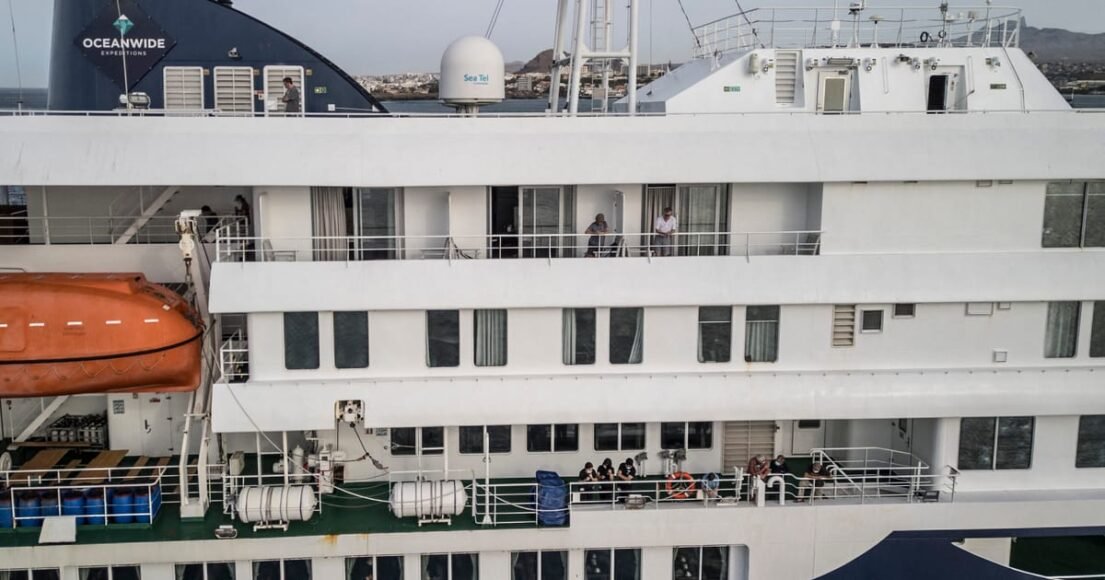
The hantavirus, primarily spread by infected rodents, has seen five confirmed and three potential cases of the Andes subtype linked to a cruise ship. This is the only form known to spread among humans.
Transmission occurs via virus-laden aerosols from the droppings, urine, or saliva of infected rats. Human-to-human transmission typically requires close, extended interaction, such as within households or between intimate partners.
Abdi Rahman Mahamud, WHO’s emergency alert and response director, stated that a “large epidemic” is unlikely if protocols from past outbreaks are followed, which includes isolating confirmed cases and actively monitoring close contacts. Each country is responsible for implementing these measures, he noted.
Van Kerkhove emphasized, “This is not Covid, this is not influenza; it spreads very differently.” With symptoms possibly taking up to six weeks to manifest, she warned that more cases might be reported.
Before Europe’s health ministries and disease agencies convene for a health security meeting on Thursday, a European Commission spokesperson informed POLITICO that the general public’s risk is low and asserted that “public health remains the top priority.”
“We are vigilant, closely monitoring the situation, and maintaining coordination with affected Member State authorities, WHO, and [the European Centre for Disease Prevention and Control] to ensure an effective and prompt response at every stage,” the spokesperson said.
Further talks are scheduled for Friday to “establish quarantine protocols and guidelines,” confirmed the spokesperson following the meeting. The Commission, Spain, and the Netherlands will also join a meeting of the Global Health Security Initiative to align with G7 members who have citizens on the ship.










Leave a Reply