


Should your electricity or gas bill unexpectedly rise, EU regulations and national oversight provide clear avenues to contest it. Begin by verifying the meter and contract, submit a written complaint to your supplier, and, if the response is unsatisfactory, escalate the issue to an independent ombudsman or dispute body. This guide outlines practical steps—particularly beneficial for cross-border cases, renters, and financially strained households.
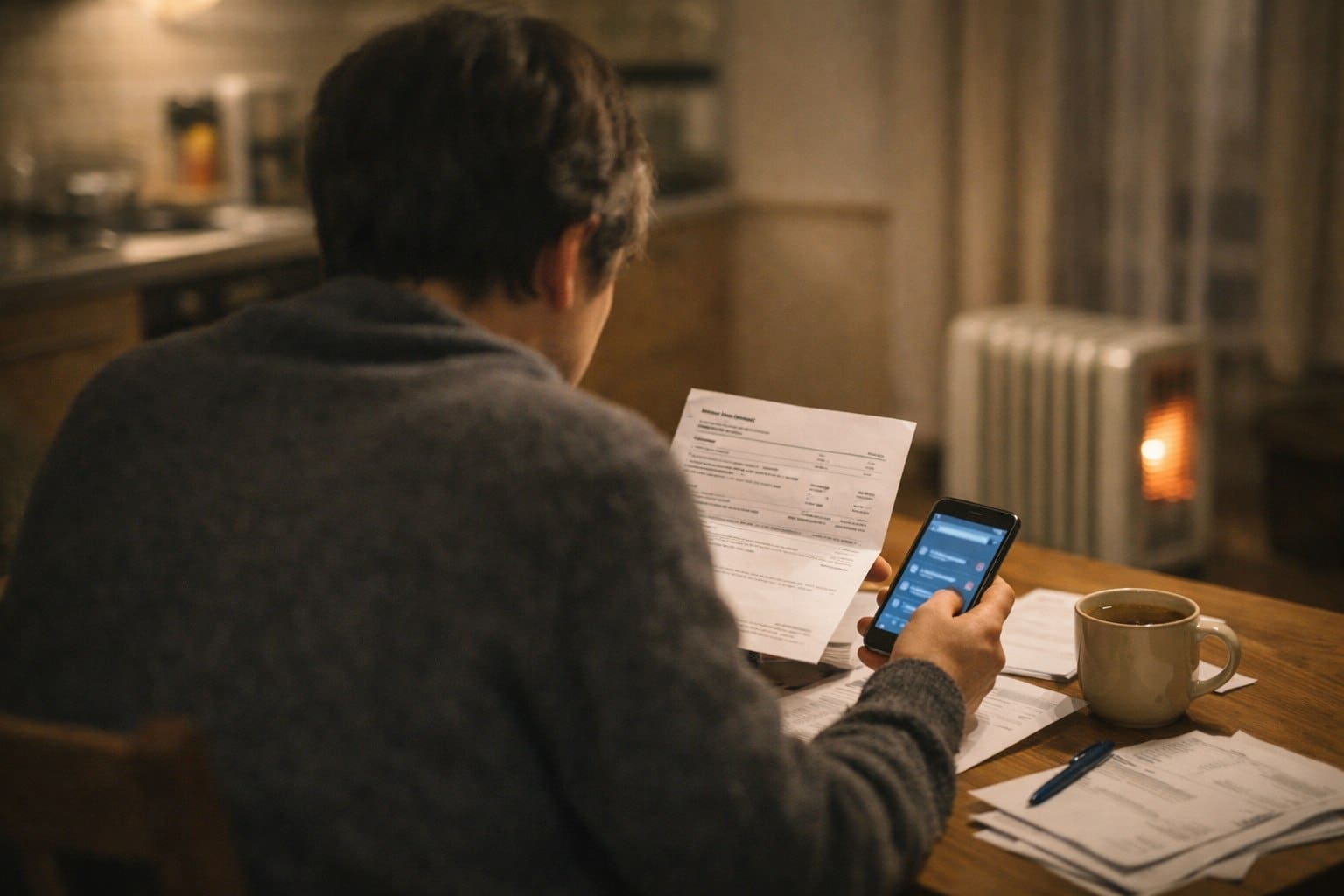
It is a common winter occurrence: you check your inbox or app and find a bill that seems disproportionate—higher than last month, beyond your budget, with unfamiliar charges. Attempting to decipher the details, the figures do not tally. Before panicking or blindly paying, there is a structured process in every EU nation to request a correction and, if necessary, pursue the dispute further.
Step 1: Verify basics before lodging a complaint
- Compare periods: ensure the bill spans the same number of days as your previous invoice.
- Estimated vs. actual readings: check if the bill is based on an estimate. If possible, photograph your meter reading (date-stamped) and retain it.
- Tariff and contract: verify you are on the agreed plan (fixed, variable, dynamic pricing) and check for any communicated price changes.
- One-off items: pinpoint unusual charges (late fees, “adjustments”, end-of-year balancing, or a catch-up following lengthy estimated billing).
- Household changes: note practical explanations (new appliances, heating shifts, more occupants at home) to rule them out.
Step 2: File a written complaint to your supplier and maintain records
- Communicate in writing, not just by phone: email your complaint or use the supplier’s online form to have proof of your request and its timing.
- Seek clarification: request a straightforward explanation of the bill’s calculation (readings used, tariff applied, and the periods covered).
- Request correction or recalculation: include your meter photo(s), contract details, and prior bills illustrating differences.
- Offer a “pay the undisputed part” approach: if only part of the bill is contested, specify what you can pay now and what is disputed.
EU consumer guidance explicitly affirms the right to complain to the supplier and, if unresolved, to seek out-of-court resolution through an energy ombudsman. Refer to the EU’s “Your Europe” page on complaints and dispute resolution with energy suppliers.
Step 3: Inquire about payment plans and protections if at risk
- If immediate payment is challenging: request an installment plan during the dispute investigation (and confirm this in writing).
- If vulnerable or facing hardship: inquire about “vulnerable customer” protections in your country (definitions and safeguards vary by nation).
- Do not disregard reminders: even if the bill is erroneous, missed deadlines can complicate matters. Continue responding in writing.
EU energy regulations and recent reforms have emphasized clearer consumer rights and protections, including contract presentations and consumer treatment during disputes. For broader context, The European Times has covered EU initiatives to create a more consumer-friendly electricity market, including protections against volatile pricing: MEPs support plans for a more affordable and consumer-friendly electricity market.
Step 4: Escalate to an independent dispute body (ombudsman/ADR)
- If the supplier’s response is unsatisfactory: escalate the dispute to an independent body for out-of-court resolution.
- Identify the correct body: EU “Your Europe” links to national energy contact points, directing you to








Leave a Reply