



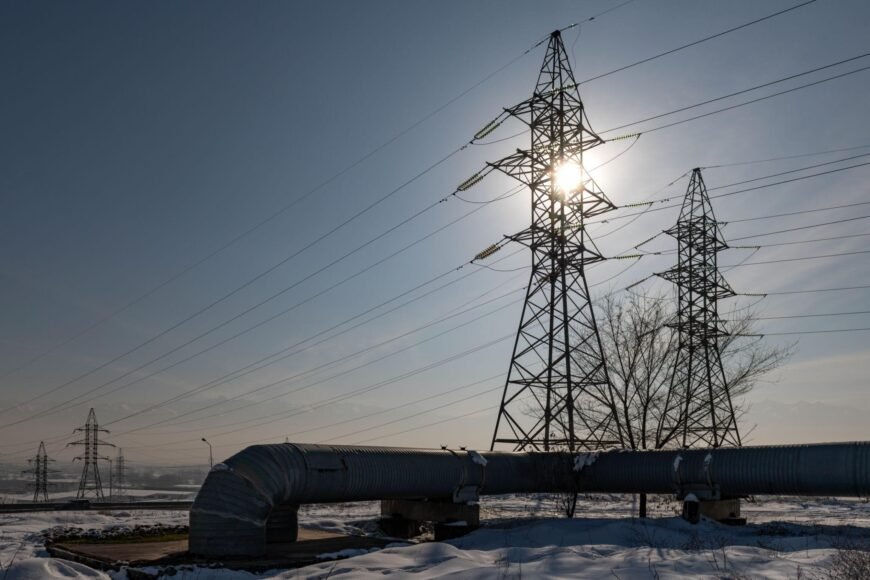
UN Women’s Chief of Humanitarian Action, Sofia Calltorp, reported the hardships faced by Ukrainian families due to energy infrastructure damage, leaving them without heating, electricity, and shelter in severe winter conditions. Sixty-five percent of Ukraine’s energy capacity has been destroyed.
“These energy blackouts are more than technical issues,” she stated. “They impact women’s safety, protection, and economic stability.”
Calltorp explained that the darkness, lack of street lighting, and disrupted transport limit women’s mobility and increase risk of harassment. Many women in education, health, social services, and retail are losing jobs due to power cuts.
A widowed mother of eight begins anew and inspires displaced women.
No electricity also means no school for children and no jobs, impacting salaries.
UN Women highlighted that 2025 was the deadliest year for women in the conflict, with over 5,000 women and girls killed and 14,000 injured since February 2022. Despite challenges, women in Ukraine are driving the country forward, leading humanitarian responses but facing threats from funding cuts.
A recent survey showed one in three women-led organizations might not survive six months due to foreign aid reductions. UN Women’s Sabine Freizer Gunes warned that Ukraine’s organizations could lose at least $53.9 million by year-end, affecting services for 63,000 women in 2026, including support for sexual violence survivors.
“There will be more need for psychosocial and legal support for women, less political involvement, and economic stability,” Gunes said. “Weakening women’s organizations risks weakening Ukraine’s recovery efforts.”
Women in Donetsk and Luhansk await humanitarian aid.
Jaime Wah from the IFRC in Ukraine noted that power outages hit the vulnerable hardest, posing life-threatening risks for the elderly, disabled, and chronically ill. Cold homes increase illness, and psychological strain from darkness and uncertainty is severe. Many lack access to mental health support.
Christian Lindmeier from WHO said attacks on healthcare deepened health impacts; over 2,870 attacks resulted in 233 deaths and 937 injuries. The number of people with disabilities rose by nearly 390,000 since February 2022. The lack of support and mobility for them is a major issue, as is supply shortfalls.
The background of these numbers reveals a broader story of struggle and resilience.









Leave a Reply