


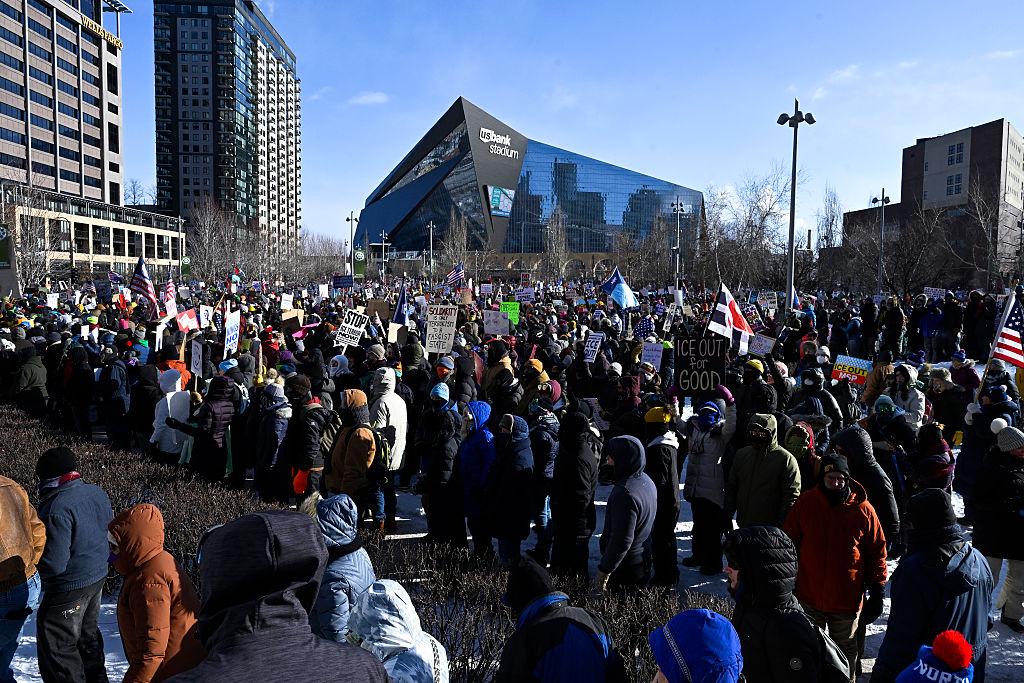
Minneapolis, Minnesota, January 31 2026 — According to Eurotoday, that immigration enforcement Minnesota has become one of the most closely watched policy issues in the United States after a federal judge declined to pause a sweeping immigration operation, allowing federal agents to continue working across the state despite legal challenges from local officials. The ruling immediately elevated Minnesota into the center of a national debate over federal authority, civil liberties, and the role of courts in overseeing immigration policy.
The decision comes during a period of heightened political polarization, as communities, lawmakers, and advocacy groups grapple with the consequences of large-scale federal enforcement actions carried out in urban areas.
How Minnesota Became a Focal Point
Minnesota’s role in the national immigration debate did not emerge overnight. Over the past year, federal authorities increased their presence in the state as part of a broader effort to intensify immigration enforcement in major metropolitan areas. Minneapolis and St. Paul, with their large immigrant populations and strategic location in the Upper Midwest, quickly became central to that effort.
As federal activity expanded, immigration enforcement Minnesota drew attention from legal scholars and civil rights organizations, who questioned whether the scale and tactics of the operation aligned with constitutional protections.
The Federal Court Decision Explained
At the heart of the controversy is a federal court ruling that declined to halt the ongoing enforcement surge. State officials had sought an emergency injunction, arguing that federal actions violated due process rights and disrupted public safety.
The judge ruled that the legal threshold for immediate intervention had not been met, allowing the operation to continue while broader legal challenges proceed. The ruling did not endorse the policy outright, but it underscored the judiciary’s reluctance to intervene prematurely in executive branch enforcement decisions.
State Leaders Push Back
Minnesota’s political leadership responded sharply to the court decision. State officials argued that federal actions undermined trust between immigrant communities and local institutions, making residents less likely to report crimes or cooperate with authorities.
They warned that immigration enforcement Minnesota risked long-term damage to community cohesion and could impose financial burdens on state services forced to respond to social disruptions.
Federal Authorities Defend the Operation
Federal officials defended the continued enforcement effort, emphasizing that immigration policy is a federal responsibility. They maintained that operations were designed to prioritize public safety and remove individuals with serious criminal records.
According to federal statements,











Leave a Reply