


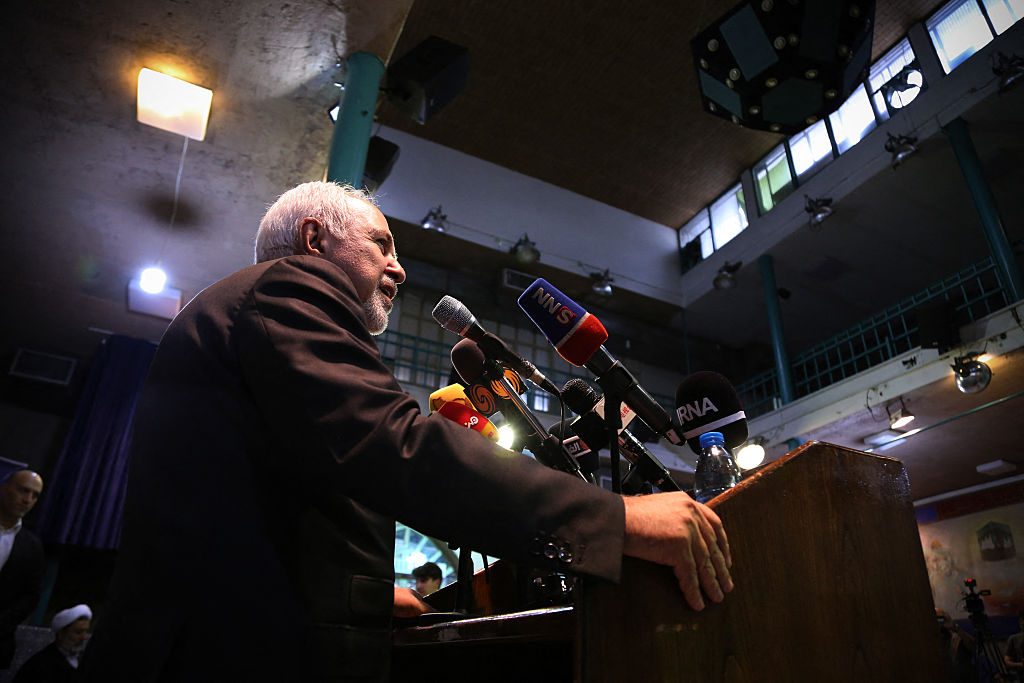
Tehran, Iran | January — Iran warns of quick retaliation following renewed political rhetoric and security signals from the United States, reviving long-standing tensions and placing the region once again under intense international scrutiny. Senior Iranian officials issued the warning during formal briefings in the capital, stating that any hostile move against the country would be met with an immediate and decisive response.
The announcement came as global attention remained focused on shifting political dynamics in Washington and their potential implications for Middle East stability. Iranian authorities framed the message as a deterrent, stressing that the country does not seek confrontation but will not hesitate to defend its sovereignty and national interests.
A Relationship Marked by Decades of Strain
Relations between Iran and the United States have been shaped by decades of mistrust, sanctions, and diplomatic breakdowns. Since the late twentieth century, interactions between the two nations have oscillated between cautious engagement and open hostility, often influenced by broader regional conflicts and shifts in global power.
Analysts note that the latest escalation fits into a familiar pattern. Periods of relative calm are frequently disrupted by political transitions, controversial statements, or policy changes that reignite old grievances. In this environment, Iran warns of quick retaliation as a way to reinforce boundaries and deter actions that could trigger a wider crisis.
Political Rhetoric Returns to the Forefront
Recent public remarks by Donald Trump criticizing earlier US engagement with Tehran have drawn close attention from Iranian leadership. Although no immediate policy changes were announced, the language alone was enough to prompt concern in Tehran, where officials remain wary of abrupt shifts in Washington’s approach.
According to observers, Iran warns of quick retaliation in order to clarify its stance early, signaling resolve before rhetoric evolves into concrete measures. This preemptive approach reflects a belief that early signaling can reduce the risk of miscalculation by clearly outlining consequences.
Military Preparedness as a Deterrence Signal
Iranian officials emphasized military readiness as a central element of national defense. Recent exercises involving missile units, naval forces










Leave a Reply