


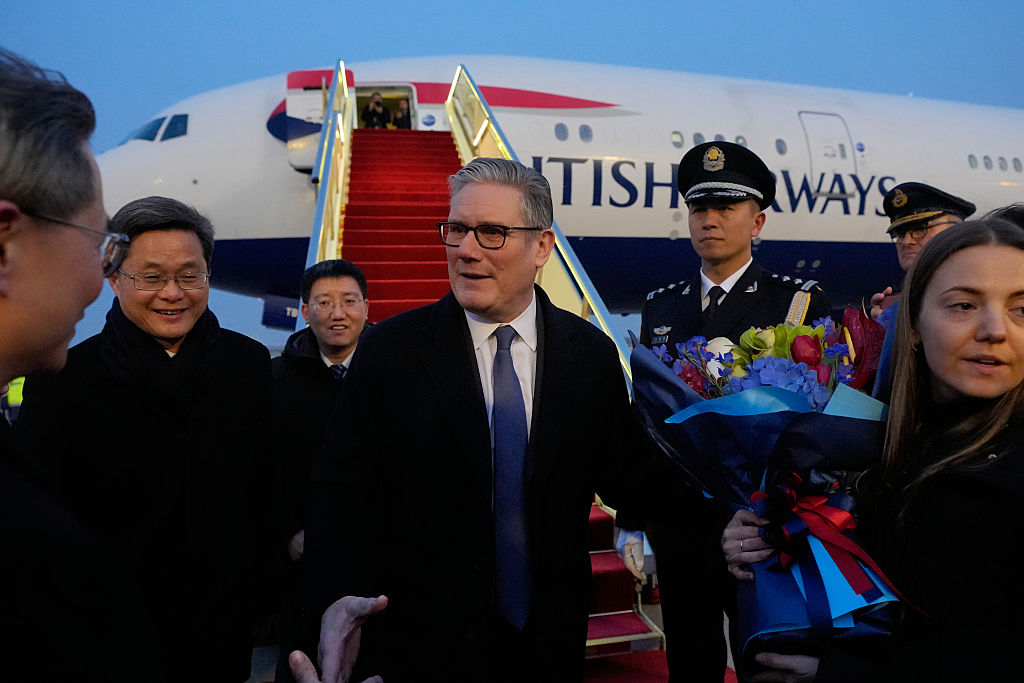
Beijing, January, 2026 — Global diplomatic attention sharpened as the Starmer China visit placed Britain’s foreign policy approach under renewed scrutiny. Arriving in the Chinese capital, Keir Starmer opened a high level diplomatic engagement with China, signaling a carefully calibrated effort to rebuild dialogue while keeping British national priorities firmly in view. The visit unfolds against a backdrop of economic uncertainty, strategic competition, and shifting global alliances, giving it significance far beyond bilateral ties.
Officials accompanying the prime minister described the timing as deliberate, noting that Britain is seeking stable international relationships as it navigates a complex global environment in the mid 2020s.
A Diplomatic Moment Shaped by Global Change
The context surrounding the Starmer China visit is defined by rapid geopolitical transformation. Power balances are evolving, economic systems are adjusting to post pandemic realities, and middle powers are reassessing how they engage with major global actors.
For Britain, the visit represents an effort to reassert relevance through diplomacy rather than rhetoric. Analysts say London’s goal is to demonstrate that engagement with Beijing can be conducted on clear terms, avoiding both isolation and over dependence.
Why Beijing Matters to London
China remains central to global trade, manufacturing, and climate policy. British officials acknowledge that disengagement would carry economic and strategic costs. The Starmer China visit reflects recognition that dialogue with Beijing remains unavoidable for any country seeking global influence.
At the same time, UK policymakers stress that engagement must be selective. Market access, intellectual property protection, and strategic resilience are key themes shaping Britain’s approach.
Setting Expectations From the Outset
From the first meetings, British officials sought to frame the Starmer China visit as pragmatic rather than symbolic. The emphasis has been on structured dialogue, predictable engagement, and mutual clarity.
Starmer has avoided sweeping declarations, instead focusing on consistency and long term objectives. This tone is designed to manage expectations while signaling seriousness to both domestic and international audiences.
Historical Context of UK China Relations
Relations between London and Beijing have shifted repeatedly over the past two decades. Periods of optimism around trade and investment were followed by phases of caution driven by political and security concerns.
The Starmer China visit follows several years of restrained engagement, during which Britain reviewed its exposure to strategic dependencies and re











Leave a Reply