


Washington, January, 2026 — The Federal Reserve kept borrowing costs unchanged on Wednesday, opting for caution as policymakers weigh moderating inflation against signs of resilience in the labor market. The decision places US interest rates at the center of economic debate as markets, households, and governments look for clarity on the future path of monetary policy.
The announcement followed a two-day meeting of the Federal Open Market Committee, with officials emphasizing the need for sustained progress on price stability before considering any policy adjustment.
Federal Reserve Chooses Continuity Over Sudden Shifts
The central bank’s decision reflects a strategy of continuity rather than reaction. After an aggressive tightening cycle in previous years, policymakers now believe monetary conditions are sufficiently restrictive to guide inflation lower without stalling growth.
Holding US interest rates steady allows officials to assess the delayed impact of earlier measures, particularly on consumer demand, credit availability, and business investment. Central bank leaders stressed that policy decisions would remain data-driven, avoiding commitments tied to market expectations.
Inflation Moderates but Pressures Persist
Recent inflation data show a gradual easing in price pressures, supported by improved supply chains and softer demand. However, services inflation and housing costs remain stubborn, complicating the outlook.
Officials noted that while progress is evident, inflation has not yet returned to levels consistent with long-term stability. This assessment reinforced the decision to maintain US interest rates at current levels until policymakers gain greater confidence that price trends are firmly under control.
Labor Market Stability Shapes the Fed’s Calculus
Employment conditions continue to play a decisive role in policy discussions. Job creation has slowed from post-pandemic highs but remains steady, while unemployment levels suggest ongoing labor market resilience.
The Fed acknowledged that a stable employment backdrop reduces pressure for immediate policy easing. Wage growth has moderated, helping to cool inflation without triggering widespread job losses. This balance supports the case for holding US interest rates unchanged while monitoring future labor data.
Market Response Signals Acceptance of Fed Strategy
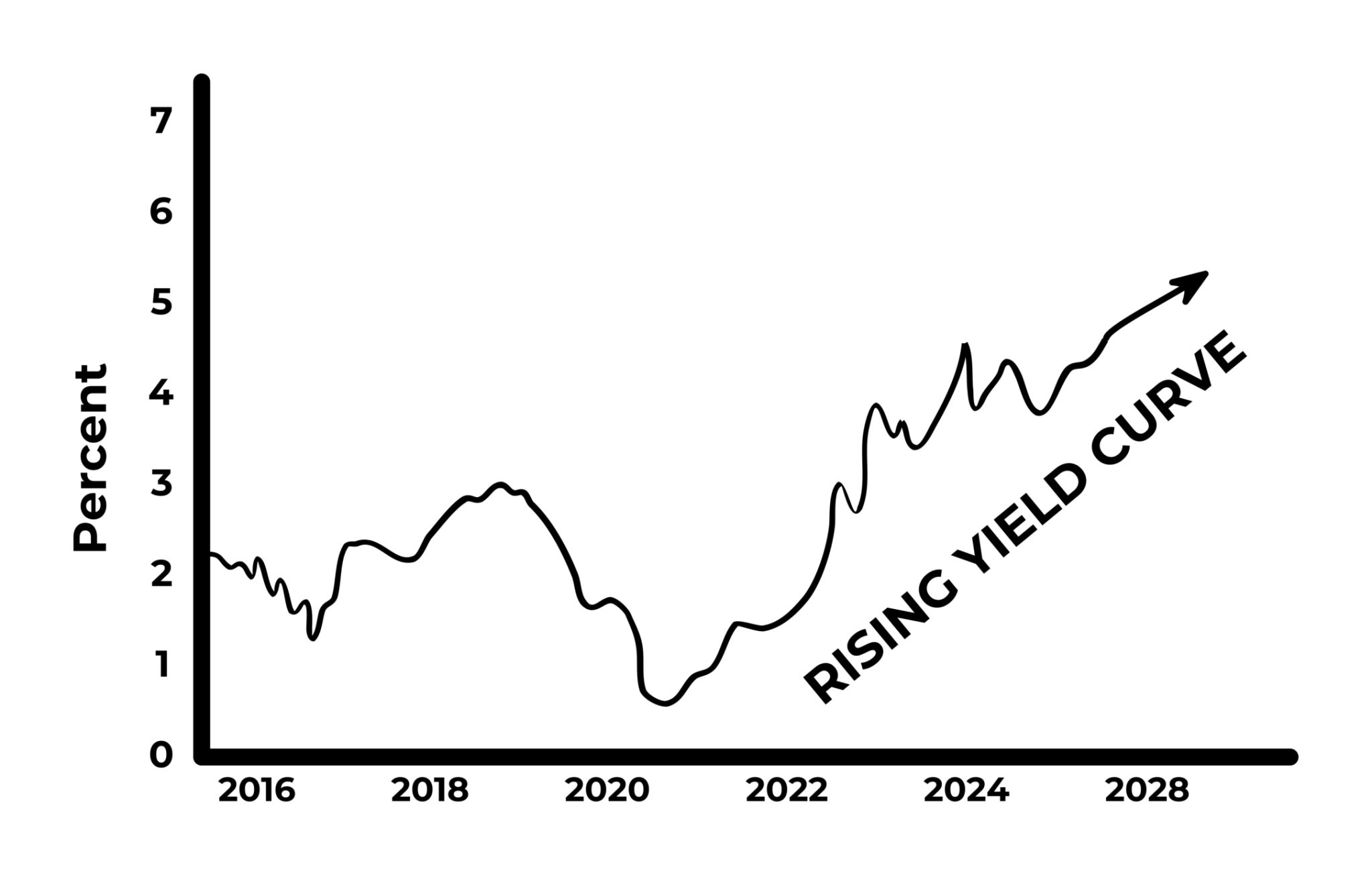
Financial markets reacted calmly to the announcement, suggesting that investors had largely anticipated the outcome. Equity markets recorded modest moves, while bond yields reflected expectations that policy will remain restrictive in the near term.
Analysts observed that predictability surrounding US interest rates helped contain volatility, particularly in interest-sensitive sectors such as housing, banking, and technology. Currency markets also showed limited reaction, underscoring confidence in the Fed’s measured approach.
Global Implications of the Fed’s Decision
The Federal Reserve’s actions continue to influence











Leave a Reply