


Toulouse, France — january, 2026, Eurotoday — The global aviation industry is confronting a pivotal moment after Airbus trade risks emerged as a central concern during a senior leadership briefing at the European aircraft manufacturer’s headquarters. The warning reflects a growing consensus that accumulated trade damage is no longer temporary but structural, reshaping how aircraft are designed, built, financed, and delivered across international markets.
Airbus operates at the core of the global aviation ecosystem, supplying aircraft to airlines across every major region. Its production model relies on cross-border cooperation, synchronized regulations, and stable trade rules. As those foundations weaken, manufacturers, airlines, suppliers, and governments are reassessing long-held assumptions about efficiency, resilience, and long-term growth.
A Global Industry Built on Interdependence
Commercial aviation has long symbolized globalization. Aircraft programs span continents, combining engineering expertise, industrial capacity, and regulatory oversight from multiple regions. Analysts say Airbus trade risks highlight how vulnerable this interconnected model has become amid geopolitical tension and shifting trade priorities.
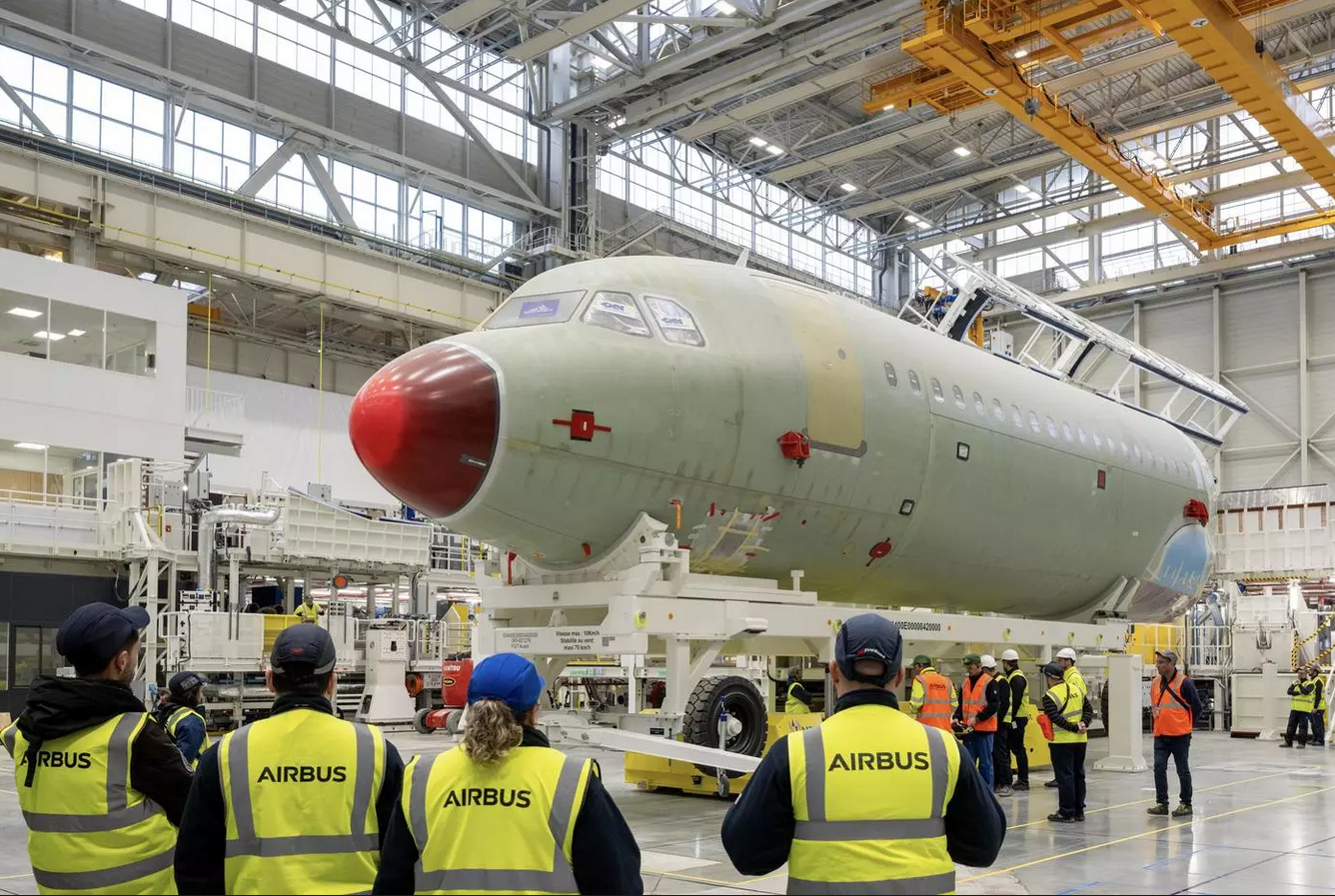
A single aircraft contains millions of individual parts sourced from thousands of suppliers worldwide. Smooth production depends on predictable customs processes, harmonized certification standards, and diplomatic stability. When disruption occurs at any point, delays cascade across the manufacturing system, affecting airlines, leasing firms, and maintenance providers.
Supply Chains Absorb Structural Pressure
The aerospace supply chain is uniquely complex, operating with little tolerance for disruption. As Airbus trade risks increase, manufacturers face rising costs linked to customs delays, export controls, and regulatory divergence that were previously manageable.
Smaller suppliers are particularly exposed. Many operate on narrow margins and rely on just-in-time delivery schedules. Prolonged disruption could lead to consolidation across the supply base, reducing competition, weakening innovation, and increasing long-term costs for manufacturers and airline customers.
Executive Warning Signals Strategic Reset
From a leadership perspective, Airbus trade risks now shape strategic planning rather than remaining a background concern. Aircraft development programs require decades of commitment and billions in investment, making stability essential for decision-makers.
One senior aerospace strategist said,
“Trade damage has reached a point where it is influencing decisions that once seemed immune to political and regulatory change.”
This single observation captures the seriousness of the challenge now facing global aviation.
Airlines Re-calibrate Fleet and Growth Plans
Airlines worldwide are reassessing long-term strategies as









Leave a Reply