


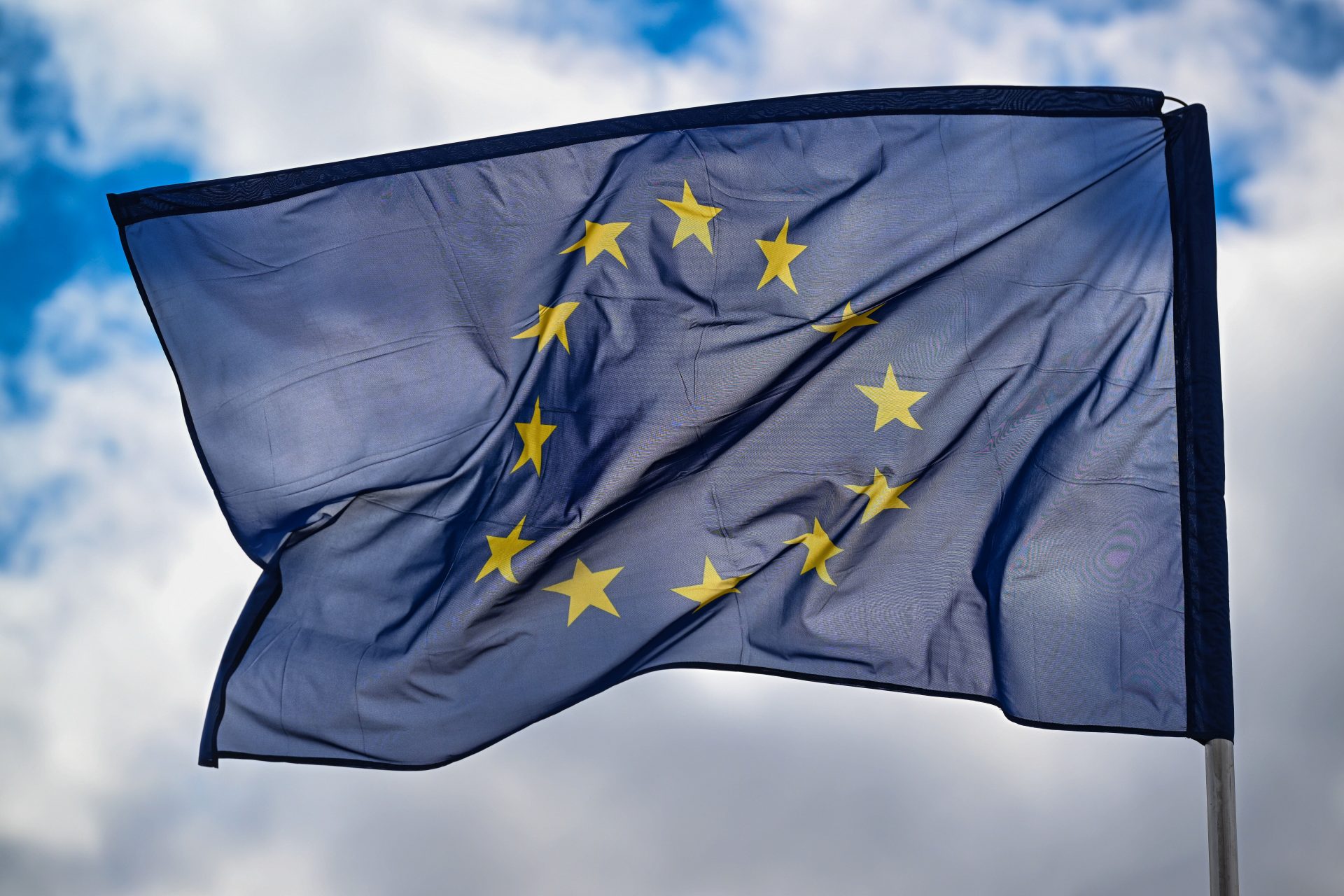
BELGRADE – According to the latest NALED bulletin, the European Union (EU) has been the predominant donor in Serbia over the past two decades, providing two to three times more funding through grants than all other international partners combined, with annual contributions between 200 and 300 million euros. While the EU continually increases its grant funding, many bilateral and multilateral partners have cut back their financial support or ceased it entirely, as seen with Austria and the USA. This trend is expected to persist as Serbia advances in its European journey, with European funding increasing while other partners shift their assistance towards less developed nations. Last year, after the EU, significant contributors included Germany, Switzerland, and Sweden, each providing tens of millions of euros annually. Other bilateral donors and international organizations, like the UN, OSCE, and the Council of Europe, contribute smaller amounts but still play a vital role in supporting reforms, European integration, and socio-economic development.
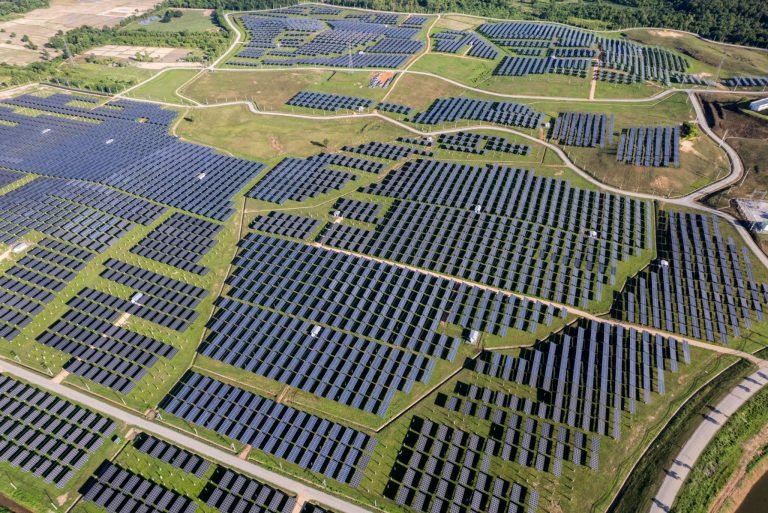
NALED’s Director for Good Governance and Projects, Ana Ilić, noted that while other donors concentrate on specific sectors based on their strategic interests, the EU uniquely supports nearly all areas of social life in Serbia. The majority of the funding is directed toward infrastructure, including energy, transport, and environmental protection, alongside socio-economic growth, innovation, digitalization, and healthcare. The rule of law, encompassing judicial reform, human rights, media freedom, and institutional strengthening, is also a key focus, aligning with national priorities and citizen needs. Strengthening regional cooperation is highlighted as critical, with the EU directly backing it through the six billion euro Growth Plan for the Western Balkans and cross-border projects enhancing local quality of life and addressing economic and social disparities. “NALED actively participates in several of these EU initiatives. In Subotica and three border municipalities in Croatia, we are establishing solar power plants on 30 public buildings, implementing smart public lighting, and installing 13 smart bus stops. In Novi Pazar, Tutin, and several municipalities in Montenegro, we completed a project to enhance local waste separation and collection, which included the EU donating 1,500 household waste separation bins and a collection truck for the public utility in Novi Pazar,” said Ana Ilić.
Recognizing the importance of environmental protection and compliance with the EU acquis in Chapter 27, NALED is aiding the relevant ministry in creating a regional waste management system for Novi Sad and seven neighboring municipalities. Simultaneously, through the Growth4Blue project and collaborations with partners from Greece, Italy, Slovenia, Montenegro, and North Macedonia, NALED supports the development of the blue economy by aligning market demands with available workforce in fisheries, shipbuilding, and river and lake tourism sectors. “In 2026, we aim to further connect our economy with the European market by fostering sustainable and responsible business practices, decarbonization, sustainable trade, and innovation. It is vital for our economy to adopt European business standards promptly and fully utilize available European funding,” she stressed. She emphasized that significant progress could be made this year, with NALED serving as a contact point for the European Institute of Innovation and Technology (EIT), offering targeted support to startups, researchers, and companies seeking to innovate and penetrate the European market. (January 18)

Leave a Reply