


Gaza City, January 2026 — Eurotoday — Reports of Gaza civilian deaths following overnight Israeli attacks have intensified international concern at the start of 2026, as renewed violence once again places non-combatants at the center of a conflict that continues to exact a heavy human toll. Local health officials said multiple residential areas were struck during the early hours, triggering emergency responses across the enclave and drawing renewed attention to the risks faced by civilians in densely populated urban areas.
The strikes came amid heightened security tensions and followed days of uncertainty marked by warnings, limited exchanges, and diplomatic stalemate. As Gaza absorbed the impact of another night of violence, the growing number of civilian casualties underscored the fragility of calm and the persistent vulnerability of ordinary residents.
Overnight Strikes and the Immediate Impact
Airstrikes struck several neighborhoods while families were asleep, damaging homes, roads, and nearby infrastructure. Rescue teams rushed to affected areas despite power outages and debris-blocked streets, pulling survivors from rubble and transporting the injured to overstretched hospitals.
Medical officials confirmed fatalities and injuries among civilians, adding to reports of Gaza civilian deaths that have steadily risen during recent escalations. Witnesses described chaotic scenes as residents fled damaged buildings, some carrying children or elderly relatives through darkened streets.
Emergency responders said the timing of the attacks complicated rescue efforts, as limited visibility and disrupted communications slowed access to some locations.
Israeli Military Position and Security Rationale
Israeli military officials said the strikes targeted sites linked to militant activity, describing the operations as necessary responses to security threats. Statements emphasized efforts to reduce civilian harm, including the use of intelligence-guided targeting.
Despite these assurances, international observers noted that the density of Gaza’s urban environment makes avoiding civilian casualties extremely difficult. Reports of Gaza civilian deaths have therefore renewed scrutiny of military tactics and proportionality in populated areas.
Security analysts say the pattern of escalation reflects a cycle in which deterrence measures and retaliatory actions often collide with civilian realities on the ground.
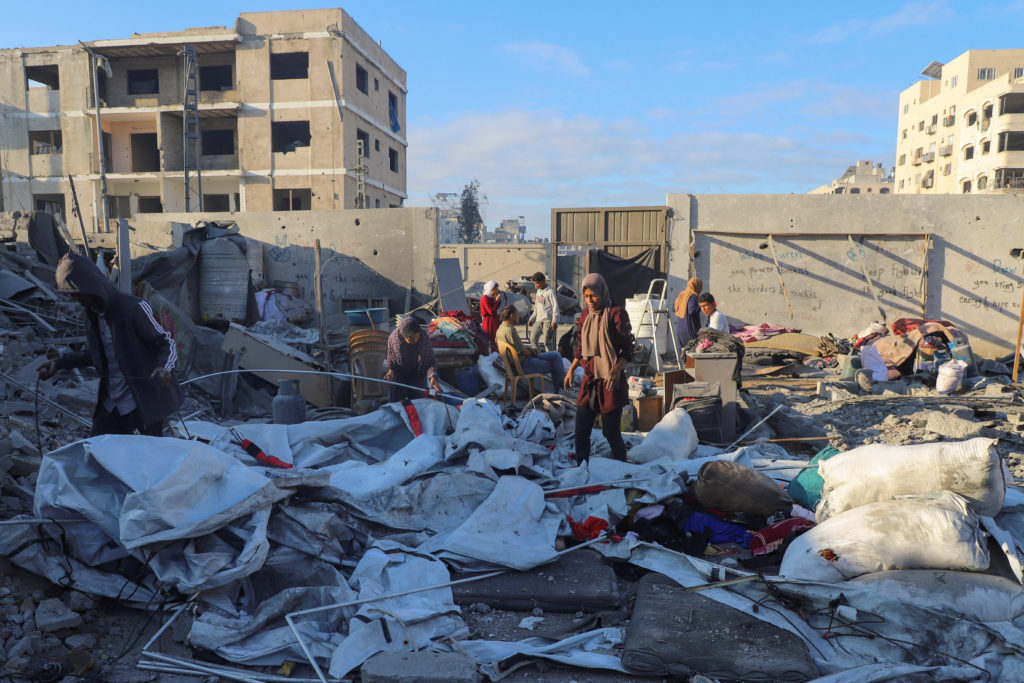
Life in Gaza Under Constant Threat
For Gaza’s residents, renewed violence compounds existing hardship. Years of blockade, economic isolation, and repeated conflicts have left communities with limited resilience. Power shortages, restricted access to clean water, and unemployment shape daily life even during periods of relative calm.
The recurrence of Gaza civilian deaths reinforces a sense of insecurity among families who say there are few safe places to turn when violence erupts. Parents described children struggling with









Leave a Reply