



On Tuesday, at an ambassadors’ briefing, UN Under-Secretary-General Khaled Khiari stated that US military presence and operations off Venezuela’s coast have increased since the last Council meeting in October, heightening tensions. The US has described this military deployment as a “non-international armed conflict” against cartels and drug trafficking, Khiari noted. President Donald Trump has pledged to use the “full power of the United States” to combat drug cartels globally. The Venezuelan government, including its UN representative, labeled the US actions as a “serious threat to international peace and security.” In a December 16 letter to the Council President, Caracas accused Washington of violating the principle against force threats or use in international relations.
US strikes on alleged drug-carrying ships in the southern Caribbean and eastern Pacific persist, with 105 reported killed since September 2, according to US officials, who assert these strikes occurred in “international waters” or within the US Southern Command’s area of responsibility. Khiari highlighted concerns from the UN High Commissioner for Human Rights over these airstrikes violating international human rights law, emphasizing that drug trafficking is addressed through policing with strict lethal force limits.
Khiari stated that the US designated the Cartel de los Soles a “foreign terrorist organization” and declared Venezuelan airspace fully closed, causing international airlines to halt flights. Washington has seized oil tankers, imposed sanctions, and ordered a “total and complete blockade” on sanctioned oil shipments, as described by Trump. Venezuela condemned these actions as a “unilateral naval blockade” and a breach of international law, with reports of its navy beginning to escort oil tankers.
Khiari reiterated UN’s call for adherence to international law, particularly the UN Charter, urging restraint and tension reduction for regional stability. The Secretary-General is ready to support diplomatic efforts if both parties request it, asserting “dialogue is the only viable path to lasting peace and preventing further instability and human suffering.”
In the subsequent debate, Council Members and participating countries expressed concerns over potential regional destabilization from escalation. Michael Imran Kanu of Sierra Leone emphasized the UN Charter’s role in preventing escalation and illegal wars. French Ambassador Jay Dharmadhikari stressed combating drug trafficking according to international law. Panama’s Ambassador Eloy Alfaro de Alba urged using “relevant international instruments” and respecting the UN Charter. Regional views varied, with some showing solidarity with Venezuela against external pressure, while others criticized Venezuelan governance as a source of the people’s suffering.
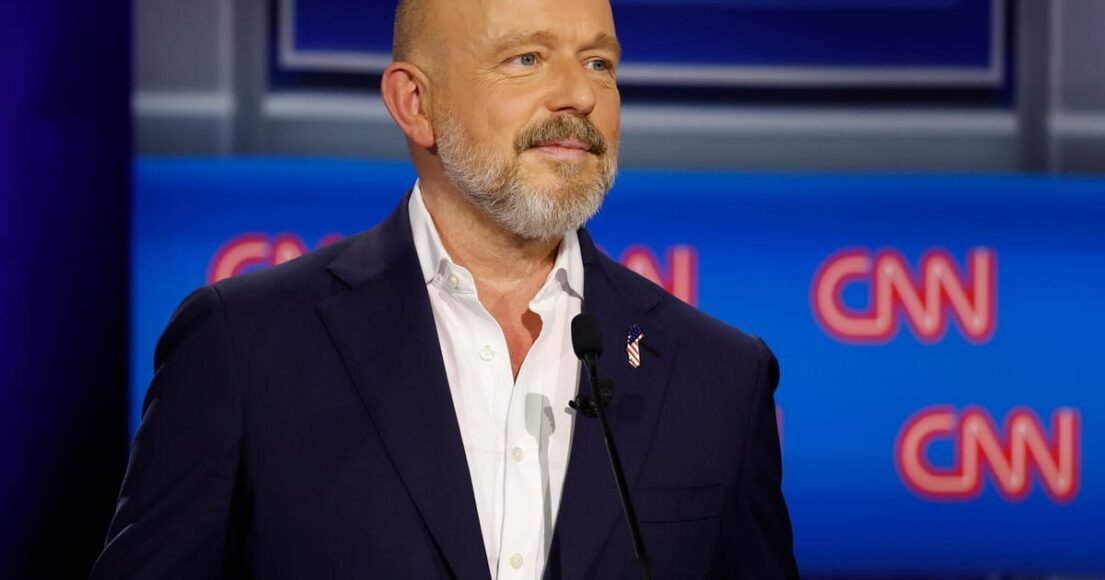
US Ambassador Michael Waltz emphasized eradicating drug cartels, applying sanctions to deprive Venezuelan President Nicolás Maduro of resources used for narcoterrorism and maintaining power. Waltz claimed the “illegitimate Maduro regime” threatens hemispheric peace and stability, and the US will protect its hemisphere, borders, and citizens.
Venezuela’s Ambassador Samuel Moncada quoted Simón Bolívar, arguing the US government poses a threat, driven by interests in oil and resources. He urged the Security Council to condemn US aggression and ensure military withdrawal, affirming Venezuela’s right to self-defense against ongoing armed attacks.

Leave a Reply