


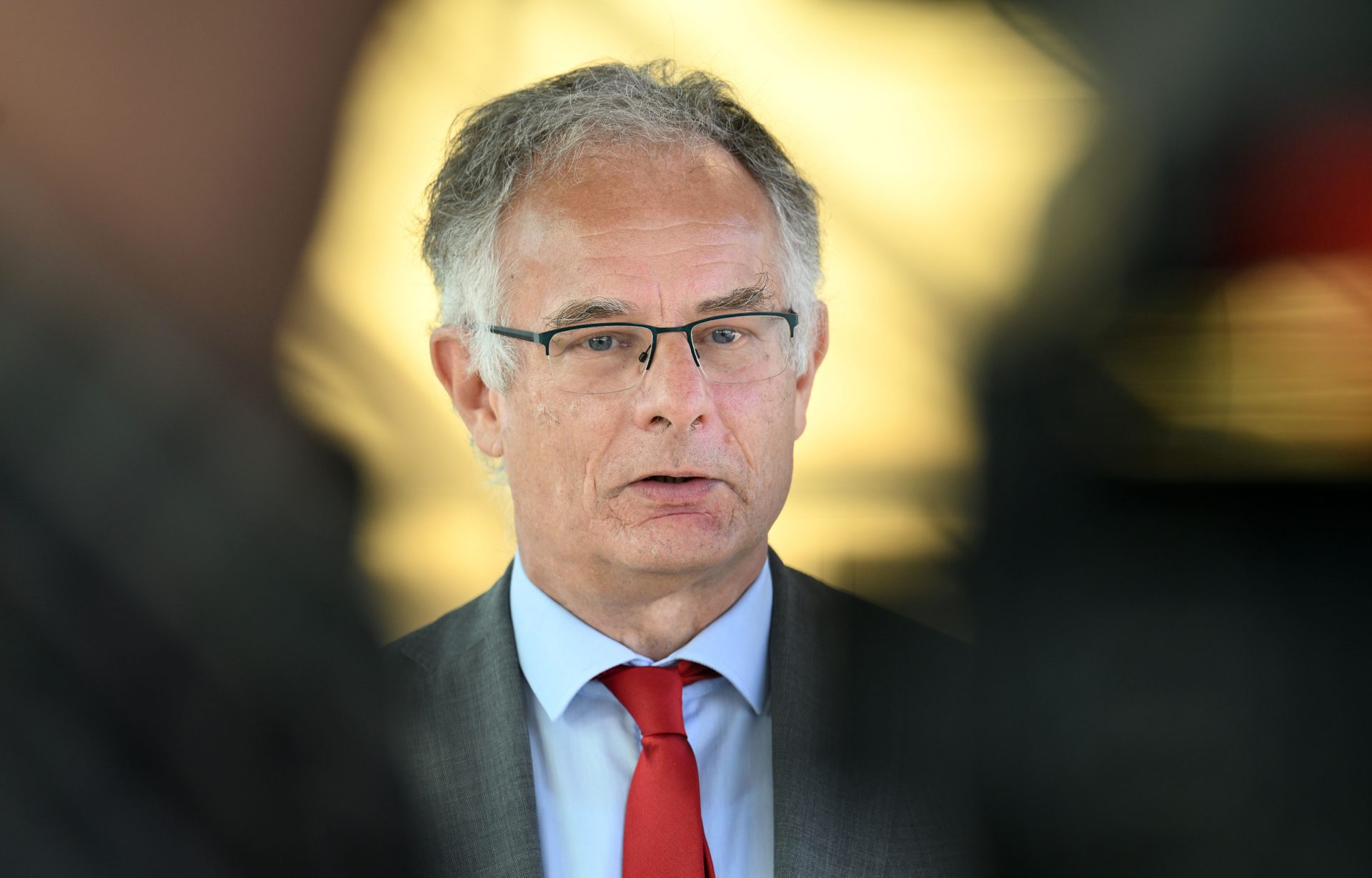
Brussels (APA) – Austria’s Finance Minister Markus Marterbauer (SPÖ) has announced the intention to activate the “national escape clause” at the EU level to maintain budget flexibility. He made this statement on Thursday in Brussels. This clause permits deviations from budgetary rules without facing penalties if defense spending is increased. Marterbauer described the move as precautionary, asserting, “we have no concerns about adhering to the budget schedule.”
The activation of the escape clause will not impact the deficit procedure against Austria. With a current budget deficit exceeding four percent, Austria is above the allowed limit of three percent of its economic output. The goal is to consolidate the budget and exit the deficit procedure by the end of 2028, a target emphasized by the finance minister during a press briefing.
Navigating Uncertainties
In times of uncertainty, securing budgetary leeway is crucial. Austria qualifies for the escape clause, with an anticipated increase in defense spending amounting to 0.2 percentage points of GDP in 2025. Marterbauer remarked, “We can manage expenditures effectively, but the revenue side is less predictable.” Despite available economic indicators appearing “definitely better” than previously expected, caution is advised amidst current economic conditions. He clarified that the use of the clause is not influenced by the debts of federal states, stating, “The debt of federal states is only one aspect of the uncertainty.”
Twelve EU countries utilized the escape clause in April, including Germany, Belgium, Denmark, Estonia, Finland, Greece, Hungary, Latvia, Poland, Portugal, Slovakia, and Slovenia. Economic Commissioner Valdis Dombrovskis had indicated that more applications for the “national escape clause” were anticipated. Marterbauer noted that at that time, “we had just taken office,” and the increased defense spending was not yet “representable in the budget.” (12/11/2025)









Leave a Reply