


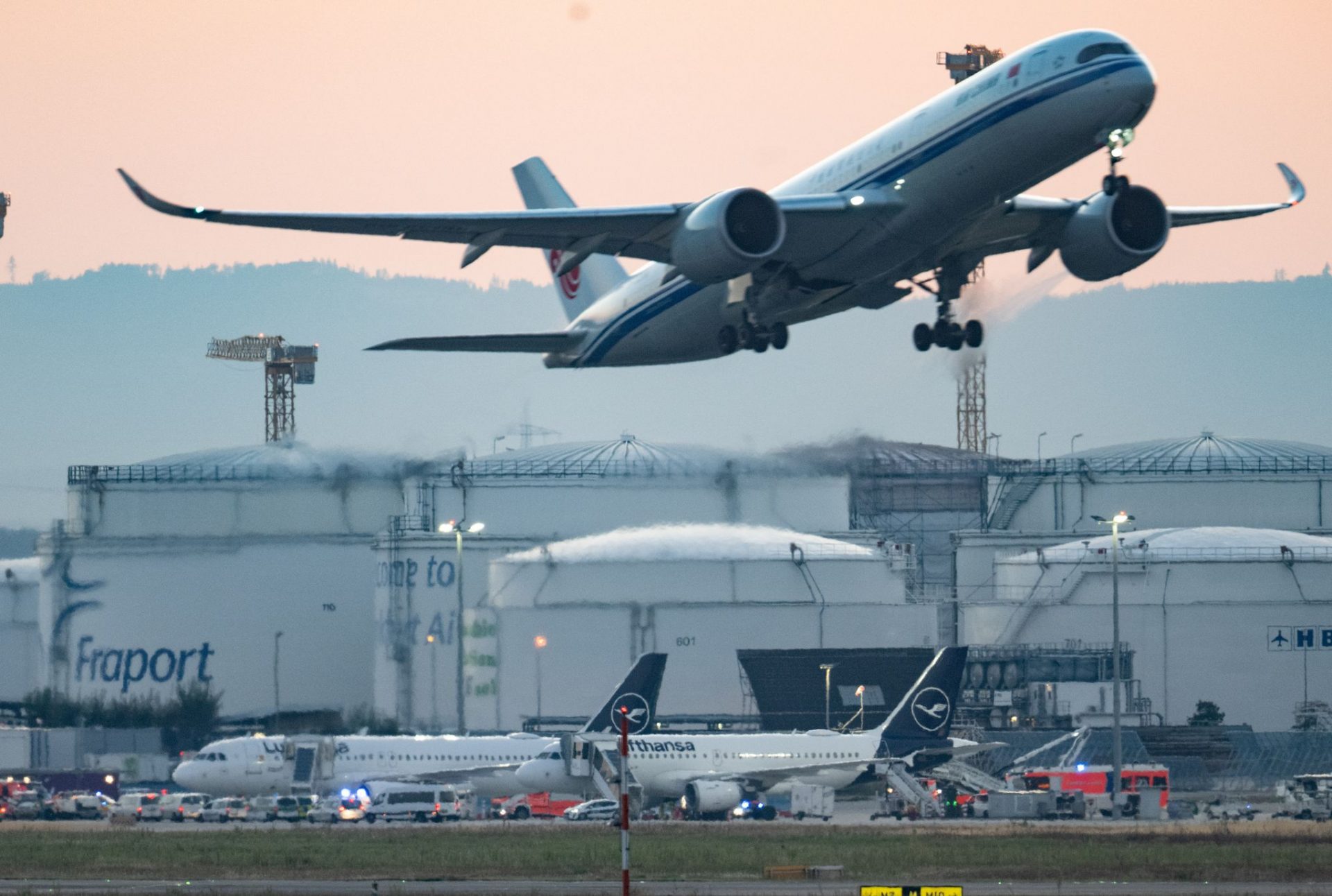
Brussels – The Transport and Tourism Committee of the European Parliament has reiterated its call for air passengers to be allowed to board with a carry-on bag without incurring extra charges. This follows the recent agreement among the 27 EU member states to negotiate a limitation on free allowances to items fitting under the seat, like backpacks, handbags, or laptop cases.
This request does not yet represent the official negotiating mandate that will establish the Eurochamber’s stance in discussions with the Council (representing national governments) on new passenger rights regulations. Instead, it serves as an opinion regarding the application of these rights within the Union, which could be incorporated when the Eurochamber’s position is finalized, likely not before autumn.
The European Commission’s initial reform proposal was introduced in 2013, with the Eurochamber formulating its position in the following year. However, varying opinions among the Twenty-Seven have stalled progress for a decade. After a revised proposal from Brussels in 2023 and this month’s agreement among the 27, MEPs are now reviewing positions before embarking on the final negotiation of the reforms.
MEPs maintain that passengers should have the right to board without paying a surcharge for a “personal item” with maximum dimensions of 40x30x15 centimeters, which aligns with the Council’s stance. Additionally, they advocate for a small carry-on bag, a position supported by various rulings from the Court of Justice of the European Union (CJEU), which the 27 have not incorporated. MEPs propose that this carry-on bag have maximum dimensions of 100 centimeters and a weight limit of 7 kilograms.
To the Plenary, likely in July
Another key demand in the Transport Committee’s report, expected to be presented to the plenary next July, is the assurance that children under 12 can sit next to their accompanying adult without additional charges for seat reservations. Furthermore, it proposes that passengers with reduced mobility or vision be allowed to travel with a companion who can accompany them for free.
The committee’s report received strong support, passing with 38 votes in favor, 2 against, and 2 abstentions. In this session, MEPs also approved the start of negotiations with the Council regarding reforms to multimodal travel rules and the application of passenger rights.
Compromís MEP Vicent Marzà expressed satisfaction with the opportunity to “advance in concrete rights for passengers, thanks to diligent efforts and the political will of this Parliament.” He asserted that the Parliament is not merely yielding to Ryanair but is focused on ensuring fairness, transparency, and increased protection for citizens.
The Popular Party also welcomed the report’s approval, advocating for the right of travelers to board with a bag and carry-on luggage without extra costs, provided they meet security requirements. The PP’s Dolors Montserrat emphasized the need for the industry to cooperate in harmonizing such measures.
Role of intermediaries and further amendments
The parliamentary report further calls for clearer accountability for intermediaries, such as retailers or providers, who sell tickets. It states that they should also bear responsibility for reimbursing air passengers in cases of flight cancellations, significant delays, or denied boarding.
MEPs urge these companies to provide passengers with complete cost information at the time of booking, including intermediary or service fees and details about the reimbursement process, which should be completed within 14 days. If an intermediary does not meet this timeframe, the airline will be responsible for processing the refund within seven days, as per the committee’s recommendations.
Moreover, they support implementing a standardized form for compensation and reimbursement requests, with airlines responsible for distributing this form to affected passengers without waiting for them to claim it, or establishing equivalent automatic communication channels within 48 hours of an incident.
On the matter of “exceptional” causes that airlines might cite to avoid compensation, MEPs reaffirm their 2014 demand for a clear list of acceptable justifications, including natural disasters, war, weather conditions, or unforeseen social conflicts, explicitly excluding staff strikes. (June 24)



Leave a Reply