


In May 2022, following Russia’s invasion of Ukraine, the European Commission initiated a strategy aimed at reducing dependency on Russian oil and gas. This initiative has led to a significant advancement in the green transition, enhanced energy savings, and a broader diversification of energy sources, resulting in a reduction of gas imports by 60 billion cubic meters annually between 2022 and 2024.
Despite these efforts, last year the European Union still imported 52 billion cubic meters of Russian gas, which included 32 billion cubic meters transported through pipelines and 20 billion cubic meters as liquefied natural gas (LNG), representing about 19% of the EU’s total gas imports. The Belgian port of Zeebrugge emerged as a key hub for Russian LNG, with approximately 7 billion cubic meters passing through its gas terminal last year, according to the Institute of Economics and Financial Analysis (IEEFA).
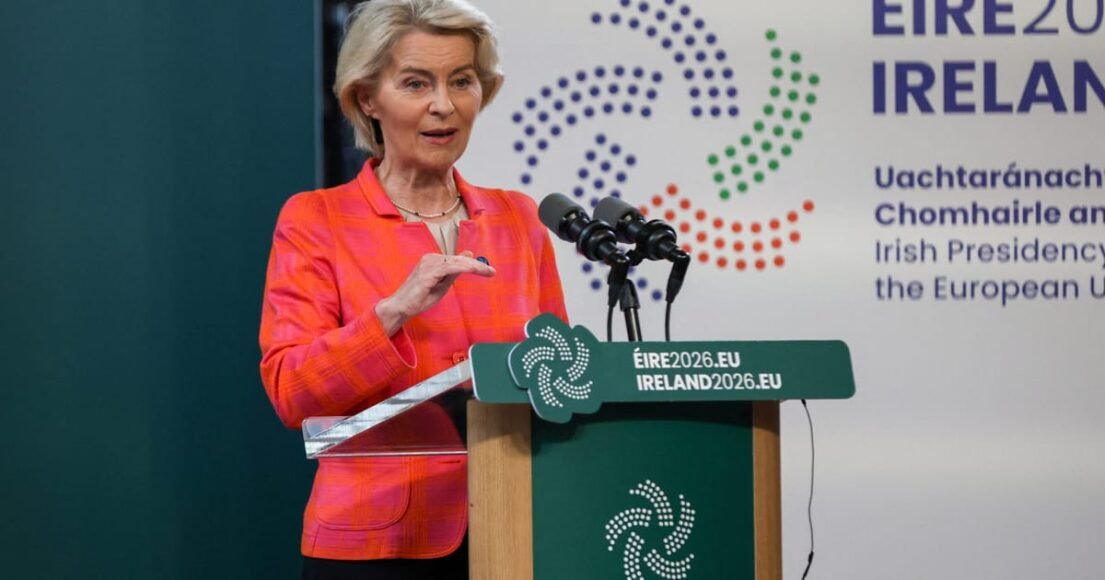
European Commissioner Dan Jorgensen emphasized during the announcement of the plan, “We will not allow Russia to wield energy as a weapon against us any longer. Our member states must not be subjected to blackmail, nor can we continue to inadvertently fund the conflict. Last year, we paid Russia 23 billion euros for energy — a sum greater than our support for Ukraine. That needs to end.”
To further this goal, the Commission is set to implement a ban on new contracts with Russian energy suppliers by the end of the year, covering both long-term agreements and spot market transactions. This move is expected to cut down on Russian gas supplies by one-third, with a complete halt on imports planned by the end of 2027.
For companies tied to long-term contracts, such as Fluxys, which operates the Zeebrugge terminal, breaking these contracts will not incur penalties, as it will be deemed a case of force majeure, Jorgensen clarified.








Leave a Reply