


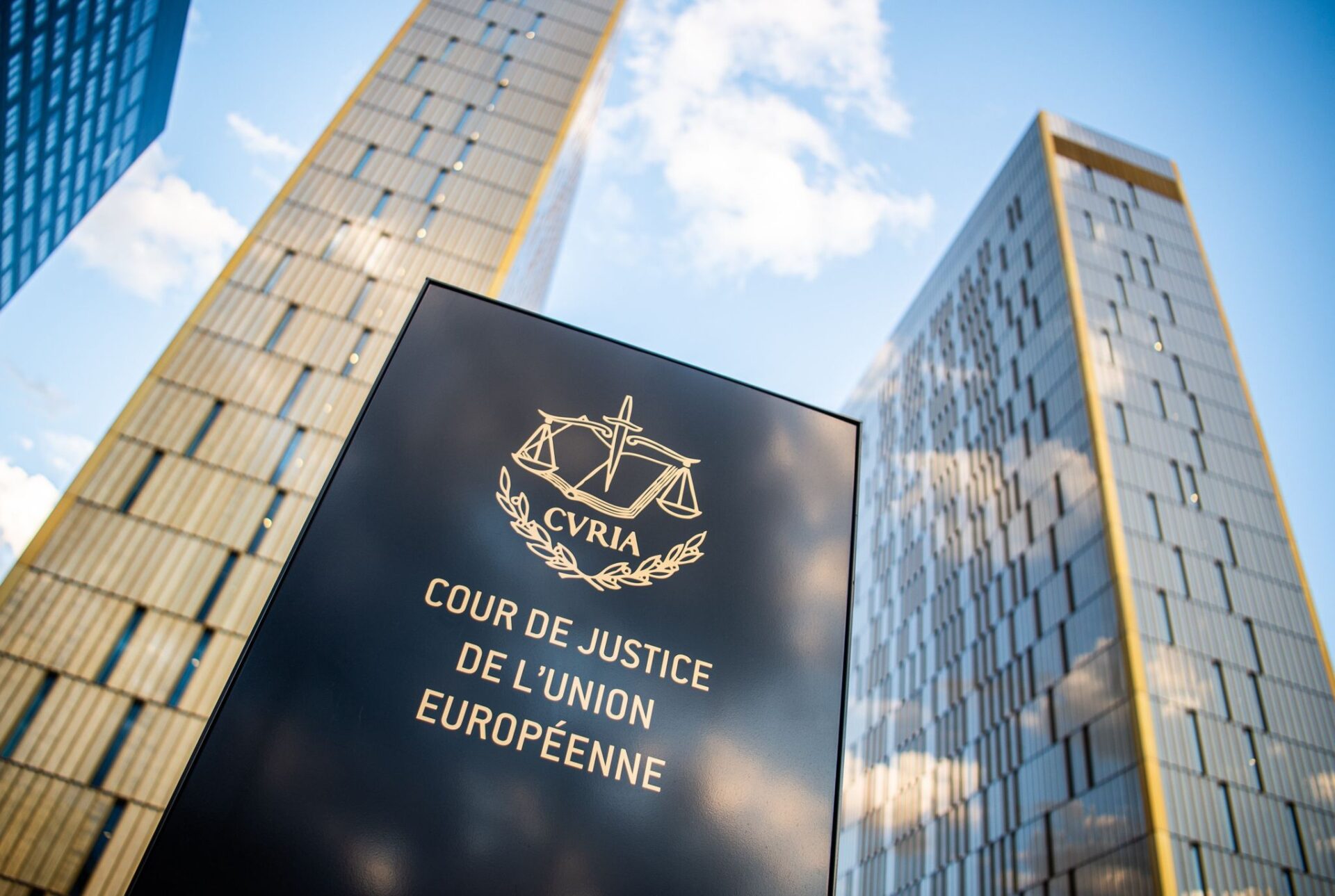
The Court of Justice of the European Union (CJEU) determined on Wednesday that the German customs authorities were justified in confiscating 15,000 euros from a woman traveling to Russia, who intended to use the money for medical treatment. The court ruled that this action complies with the cash export restrictions imposed due to sanctions against Russia.
Upon inspection at Frankfurt Airport, customs officials discovered that the woman was carrying 15,000 euros in cash. Sanctions related to the Russian invasion of Ukraine prohibit the export of any banknotes from EU member states to Russia; however, the woman contended that she required the funds for her medical care.
As stated by the CJEU, the treatments included dental care, hormonal therapy at a fertility clinic, and post-operative care following breast surgery at a cosmetic surgery facility.
The German customs agents seized her cash, leaving her with only 1,000 euros for travel expenses. In addition, criminal proceedings were initiated against her. A German court involved in the case referred a question to the CJEU about whether medical treatment qualifies as an exception to the cash export ban to Russia. The law permits exceptions only for amounts necessary to cover travel costs.
The CJEU concluded that medical treatment does not qualify as an export necessary for the personal use of a traveler and, thus, is not included in the ban’s exemptions.
According to the CJEU, “The European Union has not imposed restrictions on the right to travel to Russia; this exception is solely intended to ensure that travelers possess adequate funds for their travel and stay. Meanwhile, medical treatment as considered in this case does not relate to needs associated with travel or accommodation.”
The final decision regarding this case will be made by the German court. (01.05.2025)







Leave a Reply