


As Cardinals Prepare for Possible Conclave, Power Struggle Centers on Vatican Diplomat
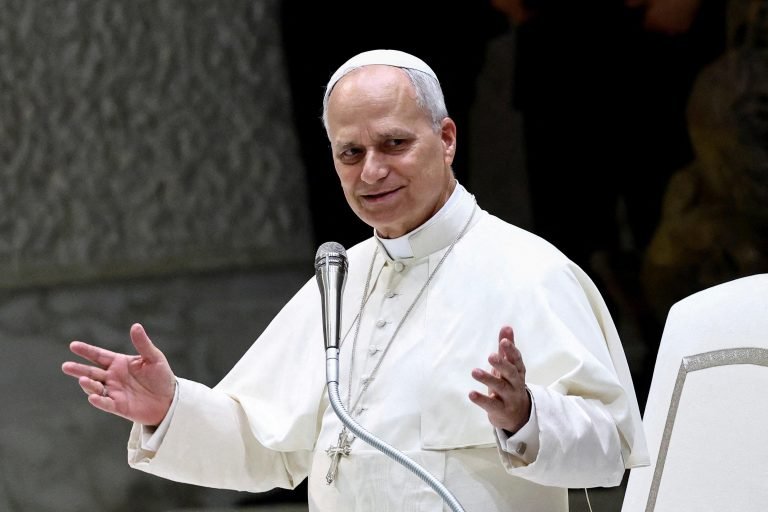
Behind closed doors at the Vatican, discussions about the future leadership of the Catholic Church are intensifying. Key among the issues dominating these informal lobbying sessions—held in anticipation of a potential conclave—is the enduring impact of Pope Francis’ reforms and the uncertainty surrounding the Church’s ideological direction. According to three individuals familiar with these talks, much of the maneuvering is beginning to center on one prominent figure: Cardinal Pietro Parolin, the Vatican’s secretary of state and Pope Francis’ longest-serving ally.
A Diplomatic Contender
Parolin, a seasoned Vatican diplomat, has found himself under an intense spotlight ever since Pope Francis experienced a significant health scare in February. His quiet but visible assumption of spiritual authority during that time—particularly his leading role in a high-profile prayer service in St. Peter’s Square—raised his profile dramatically. While this enhanced his reputation as a seasoned leader capable of stepping into a bigger role, it also sparked suspicion among rivals, who saw his actions as a strategic play for the papacy.
As bookmakers begin taking odds on potential successors to Francis, efforts to undermine Parolin have intensified. His critics, particularly among the Church’s conservative wing, portray him as merely a continuation of Francis’ legacy—an institutional loyalist with controversial baggage. They point to his involvement in contentious agreements with the Chinese government and his role in Vatican bureaucratic matters tied to a €200 million financial scandal in 2019.
Nevertheless, for many concerned about the fading influence of the Roman Curia—the Church’s central administration—Parolin represents a stabilizing choice. Internal Vatican sources say he has shown resistance to some of Pope Francis’ sweeping synodal reforms, a stance that has won him the approval of several curial cardinals. Though some of these supporters are over 80 and therefore ineligible to vote in a conclave, their influence in behind-the-scenes negotiations remains significant. Italian cardinals, in particular, are reportedly eager to see an Italian return to the papal throne for the first time in nearly five decades.
Pushback from Reformists
The rise of support around Parolin has triggered unease among those aligned with Pope Francis’ vision of a more inclusive and globally minded Church. Supporters of Church reform claim that Parolin would reverse many of Francis’ progressive changes if elected pope. In response, some members of the pro-reform faction have taken aim at Parolin’s conservative leanings and are instead promoting Cardinal Mario Grech, the Maltese general secretary of the Synod of Bishops, as a true continuity candidate.
“Rome cannot know and cannot understand all the dynamics going on in different continents,” one Church official said, summarizing the concerns of those who fear a return to centralized Vatican control. “They don’t want the Church directed by the Roman Curia.”
As the Catholic world watches closely and speculations swirl, the internal battle over the next pope highlights not just questions of personality, but of the Church’s future direction—between continuity and change, tradition and progress, and Rome versus the rest of the world.




Leave a Reply