


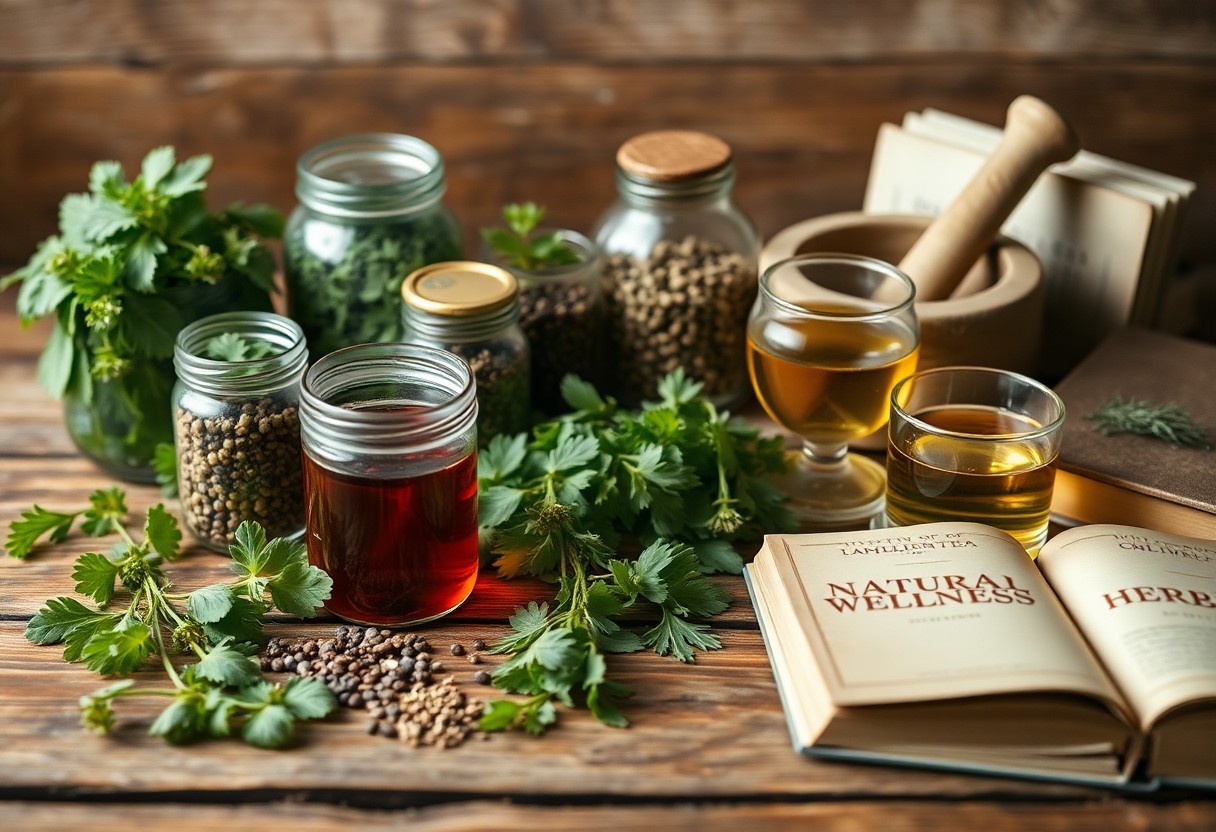
Here is a rewritten and streamlined version of the article, preserving its informative intent and structure while enhancing clarity and tone:
Title: Herbal Remedies 101: A Beginner’s Guide to Natural Wellness
Introduction
Herbal medicine refers to the practice of using plants and plant-based products to support health and wellness. While many herbs offer notable health benefits, it’s essential to approach them with informed caution. Some herbs may interact with medications or cause unwanted side effects if misused. Incorporating herbs like chamomile for relaxation or ginger for digestion into daily routines can support overall well-being—when used correctly.
Key Takeaways
– Herbal remedies can serve as natural alternatives or supplements to conventional medicine.
– Understanding each herb’s properties, dosage, and potential interactions is key to safe use.
– Methods like teas, tinctures, and capsules influence how herbs are absorbed and how effective they are.
– Professional guidance is recommended, especially for those managing chronic conditions or pregnancy.
– Integrating herbal practices into a holistic lifestyle—nutrition, exercise, stress management—can promote wellness.
Understanding Herbal Remedies
Humanity has used herbal remedies for thousands of years. From Ancient Egypt to Traditional Chinese Medicine, cultures across the globe have leveraged the healing power of plants. Today, herbal medicine continues to play a valuable role in both alternative and integrative healthcare.
What Are Herbal Remedies?
Herbal remedies are natural treatments made from plant parts—roots, leaves, seeds, or flowers—used to prevent or treat health concerns. Their enduring popularity is rooted in both tradition and emerging scientific support.
Benefits of Herbal Remedies
Herbs can offer relief for conditions like anxiety, inflammation, insomnia, and digestive issues. For example, turmeric is known for its anti-inflammatory properties, while peppermint can aid digestion. However, it’s important to remember that natural does not always mean risk-free—some herbs can lead to side effects or interact with medications.
Common Herbs and Their Uses
Herbs are incredibly diverse, each with specific properties that support health in unique ways. Some are used for healing purposes, while others are common in cooking but also offer medicinal value.
Healing Herbs
– Chamomile: Promotes sleep and relaxation.
– Ginger: Eases nausea and supports digestive health.
– Echinacea: Often used to boost immunity and reduce cold symptoms.
Culinary Herbs with Health Benefits
– Basil: May help reduce stress and inflammation.
– Oregano: Known for its antimicrobial and antiviral properties.
– Rosemary: Supports memory and concentration due to its antioxidant content.
Choosing the Right Herbal Remedies
Selecting the right remedy involves more than just recognizing symptoms. Being aware of personal health conditions, medications, and overall wellness goals is essential.
Assessing Your Health Needs
Start by considering what you want to address—whether it’s stress, energy, digestion, or immunity. Reflect on your lifestyle, diet, and daily routine to identify which herbs may be most suitable.
Seeking Professional Advice
A certified herbalist, naturopath, or healthcare provider can help determine which herbs are safe and effective for your needs. Their expertise is especially valuable when managing chronic illness or combining herbs with prescription medications.
Preparing Herbal Remedies
The method of preparation significantly affects how herbs work. Whether taken as teas, tinctures, or capsules, each form offers distinct benefits.
Teas and Infusions
Steeping herbs in hot water is a simple, effective way to enjoy their benefits. Teas are ideal for mild conditions and can be enjoyed regularly for ongoing support.
Tinctures and Extracts
Tinctures offer a concentrated herbal solution, typically preserved in alcohol or glycerin. They’re potent and absorb quickly, making them a good choice for fast-acting support. However, it’s essential to follow proper dosages and consider alcohol-free alternatives when needed.
Safety and Precautions
Using herbal remedies safely requires awareness and education. Quality, dosage, and potential side effects must all be taken into account.
Possible Side Effects
Even natural remedies can cause reactions. For example, some individuals may experience nausea, headaches, or allergic responses. Always monitor how your body reacts and discontinue use if adverse effects appear.
Herb-Drug Interactions
Certain herbs can interfere with prescription medications. For example:
– St. John’s Wort may interact with antidepressants, potentially leading to serotonin syndrome.
– Garlic, when combined with blood thinners, may increase bleeding risks.
Always consult a healthcare provider about any herbal supplements you intend to use alongside medication.
Integrating Herbal Remedies into Your Lifestyle
Incorporating herbs into your daily life can be enjoyable and beneficial. Simple practices like drinking herbal teas or adding fresh herbs to meals can make a meaningful difference.
Everyday Habits
Try sipping chamomile tea before bed, adding turmeric to your cooking, or taking a few drops of a tincture during a busy day. These small actions support both physical and emotional health.
Building a Holistic Wellness Routine
Herbs work best as part of a larger wellness plan that includes good nutrition, adequate sleep,











Leave a Reply