


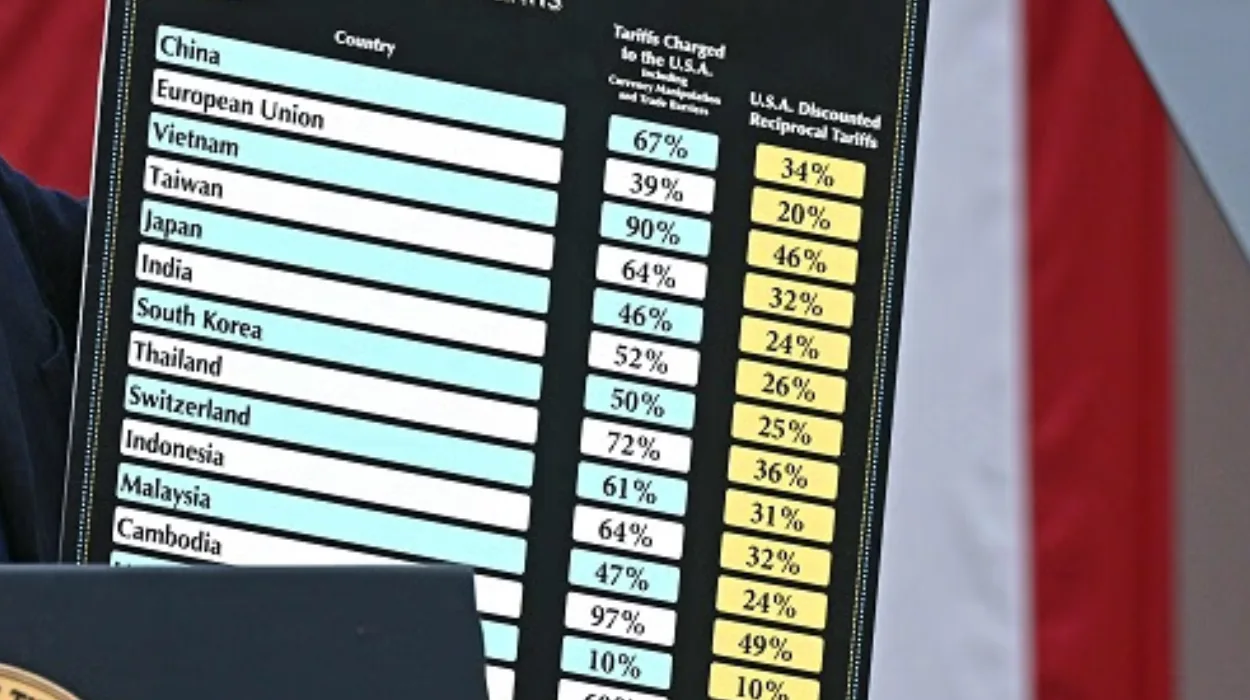
Donald Trump’s latest economic barrage against China—a staggering tariff of up to 145% on Chinese imports, coupled with a temporary 90-day reprieve for other trading partners—is less a considered economic strategy and more a spectacle tailored for political theatrics.
Announced with typical bravado, the move seems designed more for domestic optics than international coherence: a grandstanding gesture toward Beijing, while seemingly reaching out to allies he’d recently alienated. Yet beneath the bravado lies a dangerous misstep.
This is no mere continuation of the U.S.-China trade conflict—it is a calculated escalation aimed at coercing Beijing while reasserting American dominance in global trade. But the potential costs far exceed any gains.
China will not confine its retaliation to reciprocal tariffs—though those are already unfolding. Instead, it is likely to launch a nuanced and targeted response, capitalizing on the very fault lines Trump has deepened with his selective tariff relief. Beijing will focus its countermeasures on U.S. exports with political sensitivity—Midwestern agriculture, high-tech components from key swing states—while simultaneously courting the allies Trump has momentarily spared. The message will be clear: China offers more reliability than the U.S.
More significantly, China’s response will be systemic. The country has long aimed to reduce its dependence on American markets and the dollar-centric financial system. Trump’s tariffs will only serve to expedite that process.
Expect Beijing to intensify domestic innovation, expand its trade networks through the Regional Comprehensive Economic Partnership (RCEP), and strengthen ties within the BRICS bloc—an emerging alternative to Western-led economic alliances. The broader goal? To recast China not as a disruptive force but a stabilizing one, especially if a second Trump term brings renewed unpredictability.
Trump’s playbook for trade is well known: extreme demands, public brinkmanship, and eventual hollow victories branded as major wins. This episode is no exception. His objective isn’t genuine trade reform or addressing China’s economic model, but rather engineering a dramatic political narrative. He will likely push for superficial concessions—relocations of select factories, symbolic commitments from allies to reduce Chinese imports—and declare them historic successes.
Yet, the damage could be deep and lasting. The rules-based global trading system, painstakingly constructed after World War II, is already under duress. Trump’s unilateralism threatens to break it altogether, encouraging other nations to recalibrate their trade strategies—often away from the U.S.
The European Union, long wary of Trump’s erratic policies, may use this moment to pursue greater strategic independence. Brussels could advocate for a revitalized World Trade Organization as a counterweight to U.S. protectionism, while pragmatically expanding its ties with China—not as a seal of approval for Beijing, but as a hedge against Washington’s instability.
Mexico, benefiting from nearshoring trends, may see an economic boost from the rift between the U.S. and China. Nevertheless, its leaders understand the volatility of relying heavily on a capricious American administration. Expect Mexico to quietly diversify its trade portfolio, strengthening ties with China and the EU to buffer against future U.S. instability.
Brazil, under President Lula, is carving out a pivotal role in the evolving trade order. With strong agrarian ties to China and increasing BRICS engagement, Brazil prefers to remain nonaligned, unless economic incentives drastically tip the scale. India, touted as a natural U.S. ally against China, remains cautious. Despite concerns over Beijing’s ambitions, New Delhi
Comments
5 responses to “Economic Nationalism Unleashed: The Fallout from Trump’s Tariff Offensive”
-
Oh brilliant, just what we needed—another episode of “Trump’s Tariff Theatre,” where America plays the lead role and the rest of the world watches with a mix of disbelief and a cheeky bottle of wine. 🍷 Let’s just hope the next act includes a plot twist where he discovers the meaning of “global cooperation” before the entire stage collapses!
-
So, Trump’s latest tariff tantrum is like watching a toddler throw a fit in a toy store – all noise and no actual strategy. But hey, if we wanted political theatre, we could’ve just gone to the Edinburgh Fringe instead! 🎭😏
-
Isn’t it charming how Trump’s tariffs are like a toddler throwing a tantrum in a toy store—everyone’s watching, but no one’s impressed? 🤷♂️ One can only wonder how many “historic successes” he’ll claim while our global trade relations resemble a game of Jenga: precarious and not very clever, mate. 😏
-
Oh, splendid! Just when we thought global trade couldn’t get any more entertaining, Trump rolls out a tariff show that’s practically Shakespearean in its drama. 🎭 Next up, will he charge extra for the popcorn while we watch the world’s economies perform their finest ‘Dancing on the Edge of a Tariff’? 🍿💸
-
So, Trump’s economic strategy really has us all on the edge of our seats, doesn’t it? Who knew one man could turn international trade into such a riveting soap opera? 🎭 Let’s just hope he brings popcorn next time! 🍿

Last News
Regional Trade Rebounds as Iran and Qatar Renew Maritime Commerce
Sarhan Basem is Eurotoday’s Senior Correspondent to the European Parliament. With a Bachelor’s degree in English Literature, Sarhan brings a unique blend of linguistic finesse and analytical prowess to his reporting. Specializing in foreign affairs, human rights, civil liberties, and security issues, he delves deep into the intricacies of global politics to provide insightful comment

Accessing Healthcare Abroad Safely
Klingbeil, Rechentricks und ein schuldenfinanzierter Haushalt
Diplomatic Talks in Damascus Intensify as Macron Schedules Syria Visit
Sarhan Basem is Eurotoday’s Senior Correspondent to the European Parliament. With a Bachelor’s degree in English Literature, Sarhan brings a unique blend of linguistic finesse and analytical prowess to his reporting. Specializing in foreign affairs, human rights, civil liberties, and security issues, he delves deep into the intricacies of global politics to provide insightful comment

FIFA World Cup Highlights Climate Change on Global Agenda
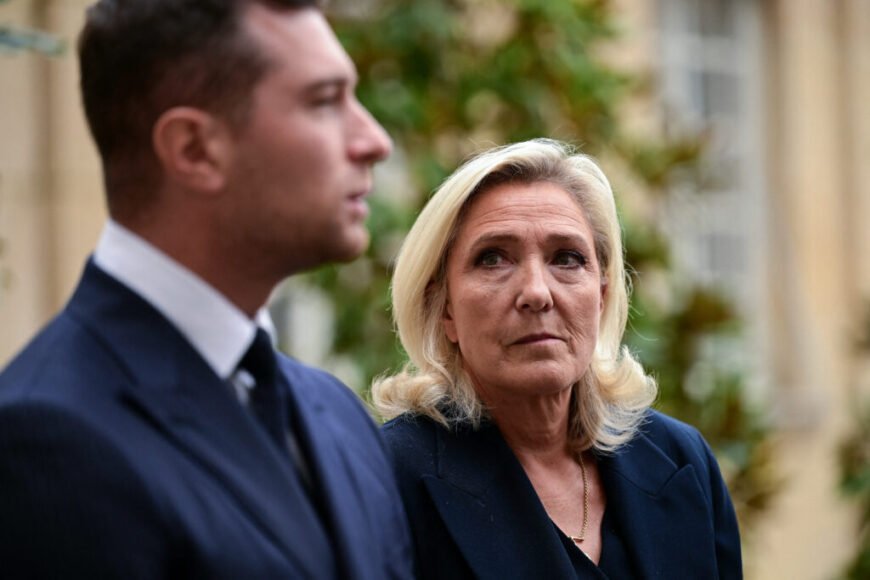
Former French PM Philippe Criticizes Far Right as Deceptive at First Major Campaign Rally
He elaborated on his ambitions for France regarding education, health, and pub
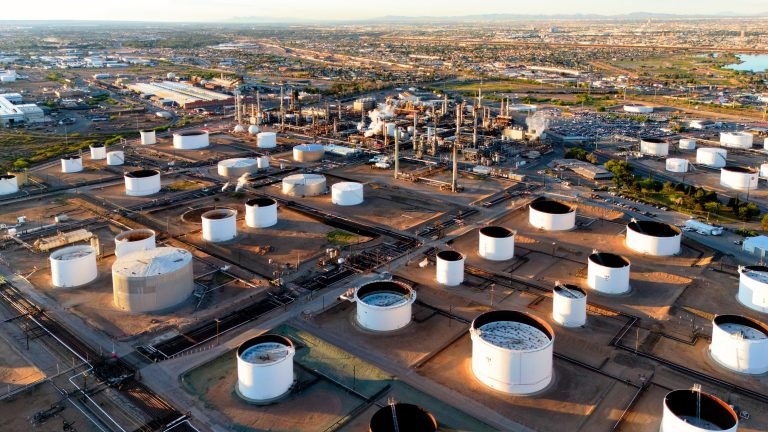
OPEC+ Boosts Oil Output Amid Strait of Hormuz Export Recovery, Aiding Global Supply and Market Stability.
Vienna, Austria, July 05, 2026 – Eurotoday Newspaper — OPEC+ production decision approved another increase in crude oil output as exports through the Strait of Hormuz continued to recover following recent regional disruptions. The alliance agreed to gradually raise production after assessing improving shipping conditions and steady global demand.
Main Development
The latest production agreement
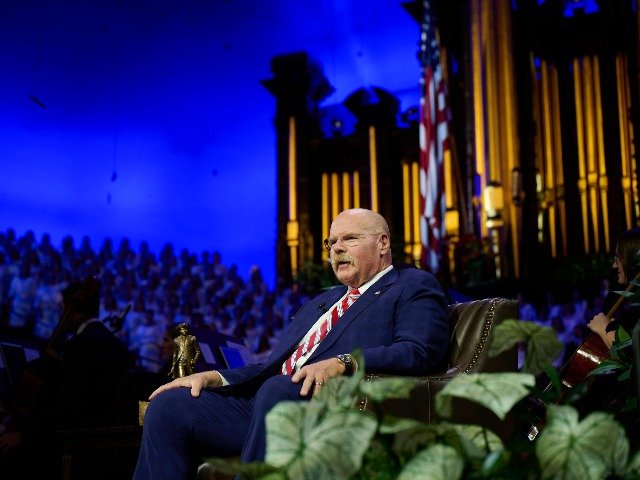
Andy Reid Honors America’s 250th Anniversary on ‘Music and the Spoken Word’
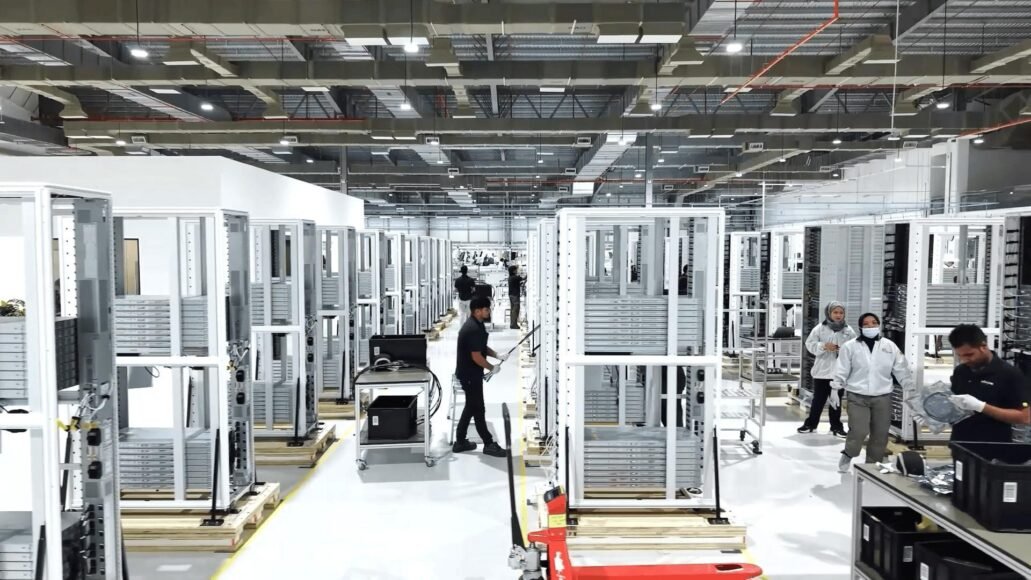
Foxconn Announces Robust Revenue Increase Amid Global Trade Tensions
Taipei, Taiwan, July 05, 2026 – Eurotoday Newspaper — Global trade tensions remained a key concern after Foxconn reported strong second-quarter revenue growth, fueled by rising demand for artificial intelligence servers and cloud computing equipment. The world’s largest contract electronics manufacturer said sales increased from a year earlier but warned that geopolitical uncertainty and changin
German Defense Chief Opposes Sharing Intelligence with AfD Ministers
In the February 2025 national election, AfD secured second place with 20.8 percent of the vote, marking the best performance by a far-right party since World War II. Two eastern states, Saxony-Anhalt an
Leave a Reply