


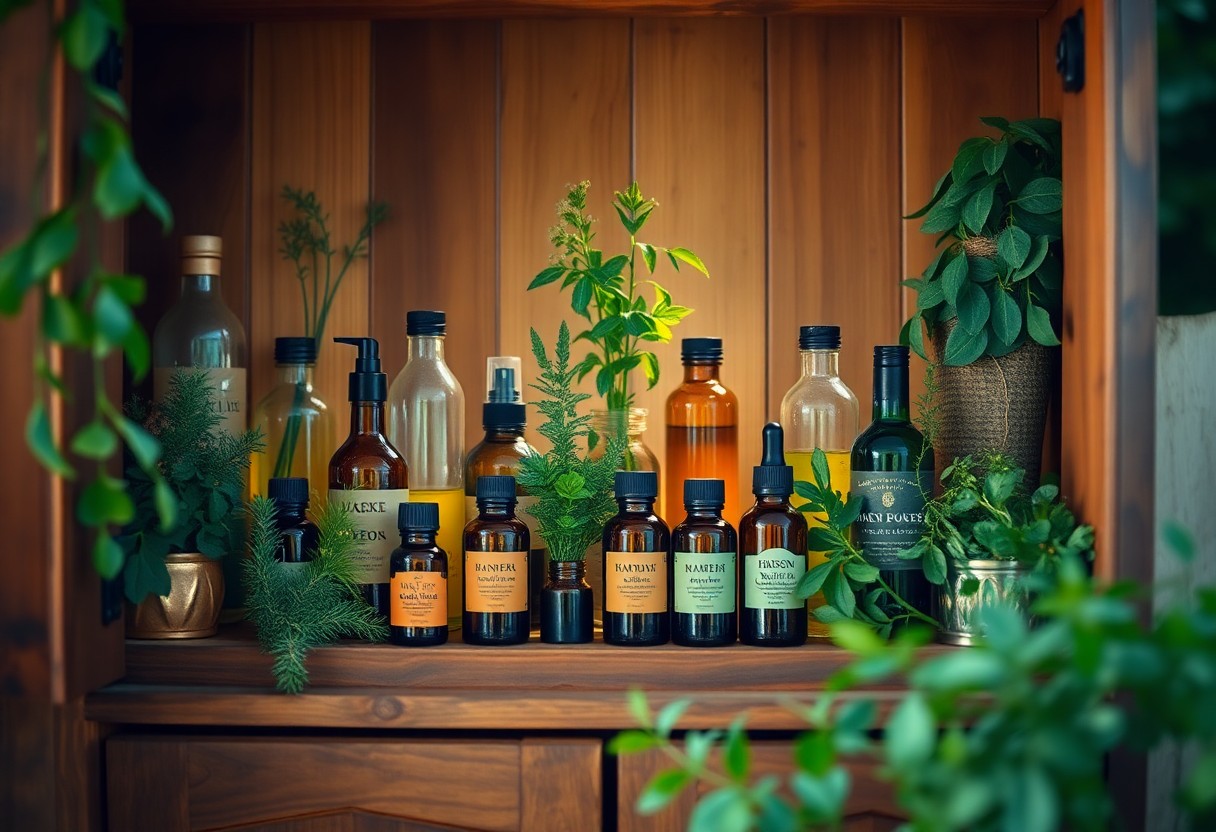
Exploring the Healing Power of Essential Oils
Essential oils have long captivated those interested in natural health for their remarkable ability to support both physical and emotional well-being. These potent plant extracts offer a wide array of therapeutic benefits—from enhancing mood and promoting relaxation to alleviating common ailments like headaches and skin irritations. However, their powerful nature requires careful use, as improper application may lead to adverse effects. In this article, we’ll delve into the many uses of essential oils, their benefits, and the best practices for incorporating them into your wellness routine.
Key Highlights
– Essential oils provide a variety of health benefits such as stress reduction, better sleep, and improved emotional balance.
– Different oils serve different purposes—lavender soothes and calms, while tea tree oil offers antibacterial support.
– They can be used in many ways: diffused in the air, applied to the skin (with proper dilution), or added to bathwater.
– Safe usage is crucial—always dilute essential oils and be aware of allergies or sensitivities.
– Incorporating essential oils into your daily life can enhance holistic wellness and complement traditional health approaches.
Understanding What Essential Oils Are
Essential oils are concentrated, aromatic compounds extracted from parts of plants such as flowers, leaves, bark, or roots. They capture the scent and therapeutic qualities of the plant, making them valuable tools in natural medicine and holistic self-care.
What They’re Made Of
Chemically speaking, essential oils are complex mixtures of volatile compounds including terpenes, esters, and phenols. These components contribute to their unique aromas and influence their healing properties.
Their Rich History
Essential oils have been used for centuries across various civilizations. The ancient Egyptians employed them in religious rituals and embalming, while traditional Chinese and Ayurvedic practices utilized them for therapeutic purposes. These oils were integral to early medicine, used to treat both physical conditions and emotional imbalances. Their continued relevance today reflects their versatility and longstanding value in supporting health naturally.
Health Benefits of Essential Oils
Physical Benefits
Essential oils such as peppermint, eucalyptus, and rosemary are known for their anti-inflammatory and pain-relieving effects. They can help soothe headaches, relieve muscle tension, and improve breathing. Moreover, many oils possess antimicrobial properties that may strengthen the immune system and promote overall vitality.
Mental and Emotional Support
Aromatherapy—using essential oils to influence the mind and mood—is a popular practice for reducing stress and promoting mental clarity. Oils like lavender, chamomile, and frankincense are often used to ease anxiety and create a sense of calm. Inhaling these scents or applying them topically as part of daily rituals can foster emotional resilience and mindfulness.
Popular Essential Oils and Their Benefits
Lavender
One of the most beloved essential oils, lavender is widely used to promote relaxation, improve sleep quality, and lessen feelings of stress and anxiety. Adding a few drops to a diffuser or bath can create a calming environment ideal for winding down after a long day.
Tea Tree
Celebrated for its antibacterial, antiviral, and antifungal properties, tea tree oil is a staple in natural skincare. It is commonly used to combat acne, dandruff, and minor wounds. However, it should always be diluted with a carrier oil (like coconut or jojoba) before applying to prevent skin irritation.
Safe Use Guidelines
Dilution Is Key
Because of their potency, essential oils should never be applied directly to the skin without dilution. A general guideline is to mix one drop of essential oil with at least three drops of a carrier oil. This makes them safe for topical application and helps minimize the risk of irritation.
Understand the Risks
Although natural, essential oils aren’t risk-free. Some individuals may experience allergic reactions or skin sensitivities. Pregnant women, nursing mothers, and people with underlying health conditions should consult a healthcare provider before using essential oils. A patch test is advised when trying a new oil to check for sensitivity.
Daily Uses for Essential Oils
Aromatherapy at Home
Diffusers are a great way to fill your living space with the therapeutic scent of essential oils. Whether you’re looking to uplift your spirits with citrus oils or relax with floral scents, aromatherapy is an easy way to enhance emotional well-being.
Create DIY Products
Essential oils can be incorporated into homemade skincare, cleaning solutions, and bath products. Blending oils like tea tree and lemon can provide antibacterial benefits for homemade cleaners, while combinations such as lavender and geranium may enhance homemade lotions or bath salts.
Looking Ahead: The Future of Essential Oils
As the interest in holistic health grows, essential oils are playing a larger role in wellness strategies. Ongoing research is deepening our understanding of their chemical makeup and potential medical applications. Innovations in extraction and formulation continue to improve their accessibility and effectiveness.
Wider Acceptance in Holistic Health
More and more individuals are turning to essential oils as part of an integrative approach to well-being—one that considers mind, body, and spirit. As they become more mainstream, it’s important to











Leave a Reply