


Košice – The EastGateH2V project, dedicated to developing a hydrogen valley in the Košice region, has officially commenced. The Košice Self-Governing Region (KSK), acting as the project’s coordinator, hosted key partners in Košice for the launch. By the end of April, all 22 partners from seven European nations are set to finalize a grant agreement for funding from the European Commission (EC) through the Horizon Europe program, KSK announced on Thursday.
The collaboration, involving both Slovak and international partners, has successfully secured nine million euros for the initiative. This funding comes from a call issued by the Clean Hydrogen Joint Undertaking (Clean Hydrogen JU) as part of the EU’s Horizon Europe scientific program.
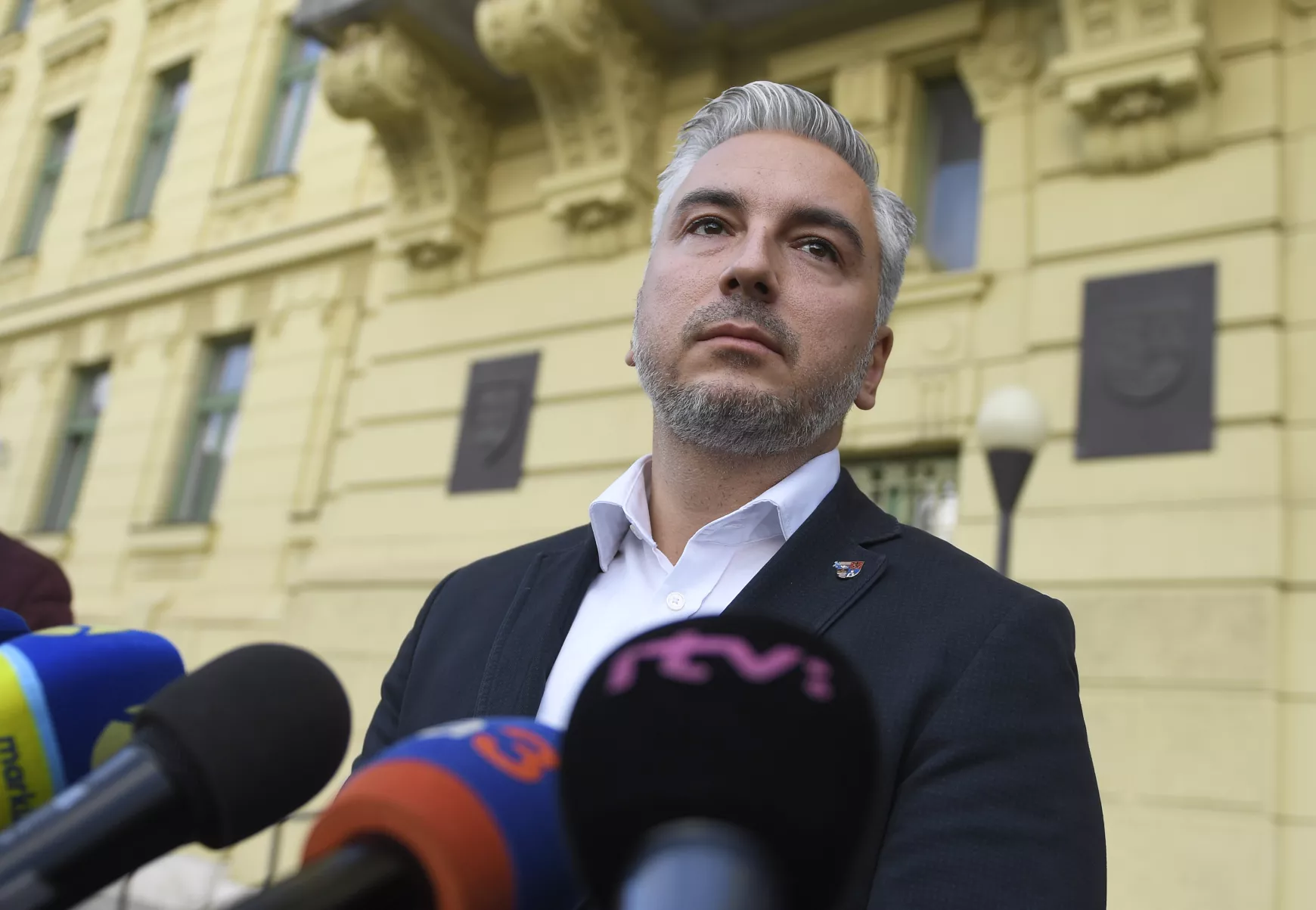
“The Košice Self-Governing Region is now recognized as a leader in hydrogen technologies within Central and Eastern Europe. Over the next six years, we will coordinate and collaborate with key stakeholders in energy, transportation, and industry from Slovakia, the Netherlands, the United Kingdom, Ukraine, Slovenia, Spain, and Germany. It is unusual for a regional government to take the lead in such initiatives, and we are committed to this responsibility,” stated KSK Chairman Rastislav Trnka. He noted that the initial meeting in Košice focused on planning the upcoming activities of the partners.
The project aims to establish a sustainable ecosystem for hydrogen production, distribution, and utilization across various transportation modalities, including buses, maritime, and aerial transport. According to KSK, green hydrogen will be produced using electricity sourced from renewable energies.
Antonio Aguilo, coordinator of the team in the Clean Hydrogen Partnership, emphasized that EastGateH2V, as Slovakia’s first hydrogen valley, marks a pivotal step in the effort to decarbonize European industries, transport, and energy sectors. “We are particularly excited about the project’s ambition to enhance cross-border hydrogen corridors with neighboring countries, laying the groundwork for a truly interconnected European hydrogen economy,” he remarked.
Through the EastGateH2V project, the Košice region will receive hydrogen for its regional hydrogen buses. An electrolyzer is expected to be operational by mid-2027, which will produce 170 tons of green hydrogen annually. This volume will suffice for the yearly needs of ten hydrogen buses, one hydrogen boat, and a transport hydrogen drone. (April 10)
“The Košice Self-Governing Region is definitely on the map of leaders in hydrogen technologies in Central and Eastern Europe. The next six years will involve coordination and collaboration with key players in the fields of energy, transport, and industry from Slovakia, the Netherlands, the United Kingdom, Ukraine, Slovenia, Spain, and Germany.” Rastislav Trnka






Leave a Reply