


Title: German Government Bets Big on Economic Revival Amid Trump Tariff Threats
With the potential return of Donald Trump to the U.S. presidency looming, Germany’s newly elected government is preparing for a turbulent economic future by launching an ambitious stimulus plan to revive growth and bolster resilience.
Led by Chancellor Friedrich Merz from the center-right Christian Democratic Union (CDU), the coalition administration has unveiled measures aimed at revitalizing Europe’s largest economy. The plan includes sweeping tax cuts, efforts to lower energy costs, and the creation of public-private investment funds—all designed to stimulate investment, boost productivity, and protect German industry from external shocks.
Economic Preemptive Strike
At the heart of the government’s strategy is a proactive economic boost that anticipates possible trade confrontations with the U.S., particularly if former President Donald Trump wins back the White House in November. During his first term, Trump repeatedly clashed with European allies over tariffs and trade agreements, and Berlin fears a repeat, especially targeting Germany’s crucial automotive sector.
German officials argue that accelerating domestic investment and reducing the cost burden for businesses could help cushion any future tariff blows. “We must strengthen Germany from within—administratively, economically, and strategically,” said one senior government advisor involved in drafting the plan.
A Three-Pronged Plan
The Merz government’s economic roadmap rests on three pillars:
1. Tax Reform: The administration has promised corporate tax cuts, citing Germany’s relatively high rates as a drag on competitiveness. The goal is to spark new investment and ease the cost of doing business.
2. Energy Cost Reduction: Berlin plans to tackle the issue of high industrial energy prices, a long-standing concern for German manufacturers. Subsidies, deregulation, and investment in green infrastructure are on the table.
3. Public-Private Investment: The government will launch blended financing programs to catalyze private sector investment alongside state funds. These will target modernization projects, particularly in infrastructure, digitalization, and energy transition.
Stiff Headwinds
Despite its bold intentions, the plan faces significant obstacles. Budget constraints, coalition disagreements, and resistance from the opposition promise a tough legislative path. Moreover, economists warn that the effectiveness of the measures will depend on swift implementation and global economic conditions beyond Berlin’s control.
International Fallout
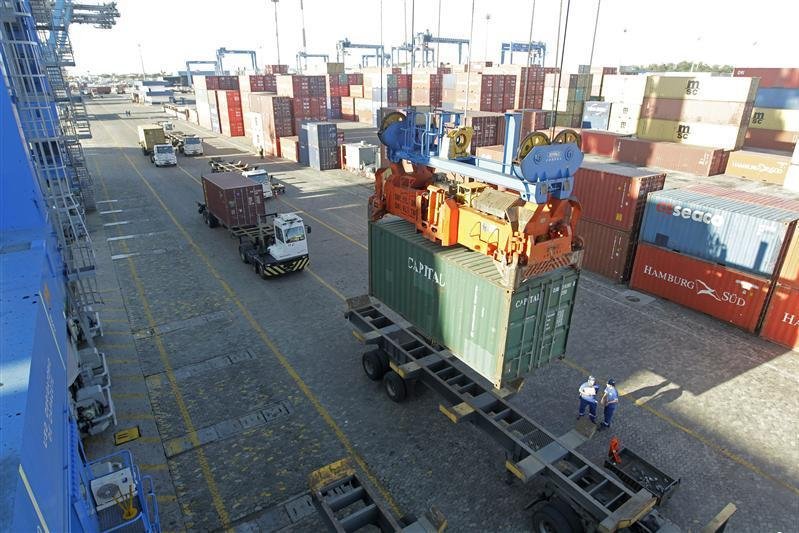
U.S.-EU trade tensions could re-emerge as a major risk this year. Trump’s track record suggests a renewed focus on America-first policies, which could mean tariffs on German goods, especially cars. As the world watches the U.S. election unfold, Germany’s rebooted economic strategy signals it’s not planning to wait idly by.
By betting big on domestic growth and strategic investment, Merz is hoping to future-proof Germany—regardless of what happens across the Atlantic.









Leave a Reply