


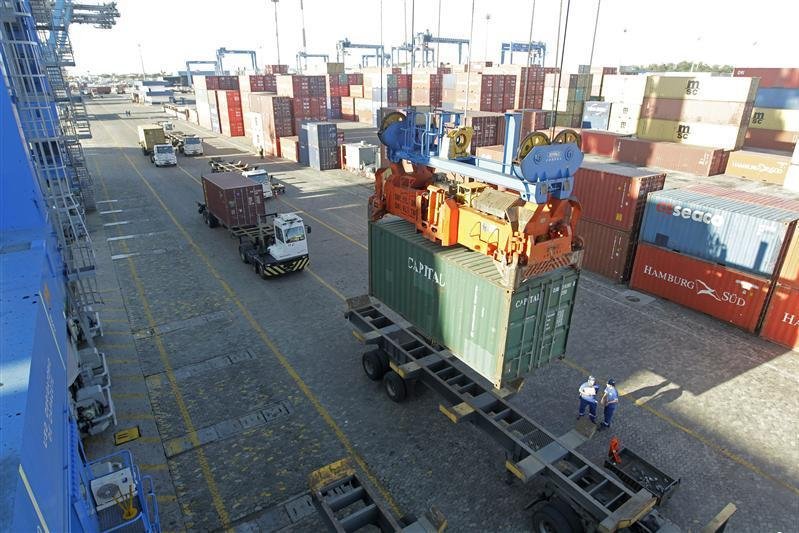
At a recent meeting, EU trade chief Maroš Šefčovič announced that ministers will soon discuss strategies to prevent trade diversion and ensure the European trading system can adequately support its companies amid heightened global economic tensions.
Šefčovič emphasized the importance of safeguarding European businesses, noting that any measures taken must prioritize minimizing harm to the EU’s industries and products.
Though Spanish officials urged against escalating tensions with the United States, they did not rule out potential retaliatory actions—particularly in the services sector. This could include measures targeting major players in Silicon Valley and Wall Street if the situation demands it.
The EU is considering leveraging its full range of trade defense mechanisms, including the Anti-Coercion Instrument, a powerful regulatory tool that enables the bloc to implement sweeping trade responses, such as restricting intellectual property rights, in retaliation to economic coercion.
“The first priority in any response should be to protect our industries and limit any potential damage,” Šefčovič said. “We should be ready to consider all instruments available to us. Nothing should be off the table.”
Also speaking on the matter, Spanish Secretary of State for the Economy and Business Support, Gonzalo García Andrés Cuerpo, stated, “The Anti-Coercion Instrument is available, and we should not hesitate to use it if necessary. However, for now, the EU should focus on sending a constructive and positive message.”
Koen Verhelst contributed to this article.







Leave a Reply