


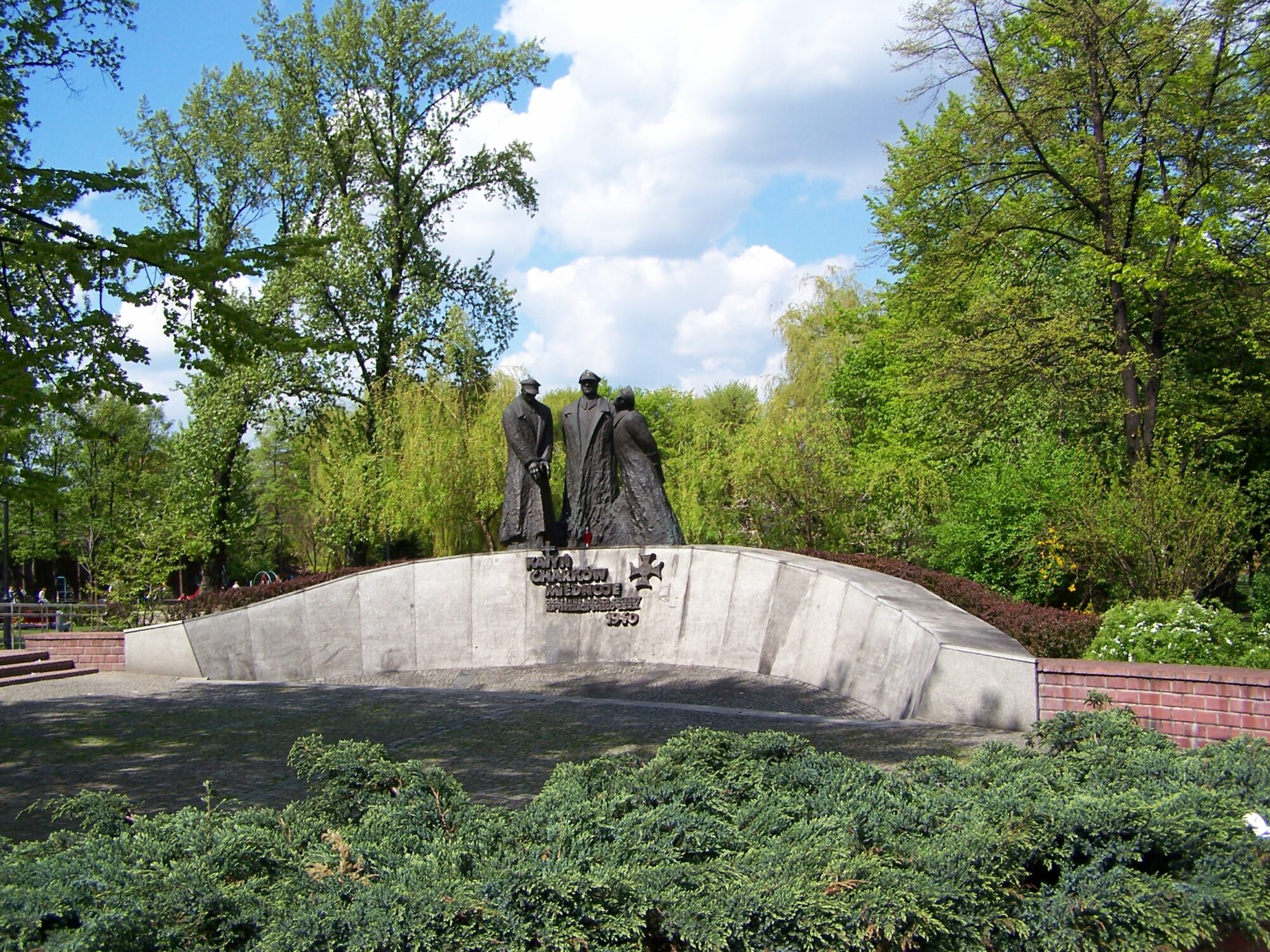
At its March 18 meeting, the Holy Synod of the Polish Autocephalous Orthodox Church made the historic decision to canonize the Katyn Martyrs.
The Synod’s official statement reads: “As we commemorate the 100th anniversary of our ecclesiastical independence, the 1700th anniversary of the First Ecumenical Council in Nicaea (325 AD), and the 80th anniversary of the end of World War II, and having examined materials concerning the lives and martyrdom of our brothers and sisters who perished in Katyn and other sites of execution and exile, the Holy Synod of Bishops of the Polish Autocephalous Orthodox Church, in the name of the Holy Trinity – Father, Son, and Holy Spirit – officially proclaims the following individuals as saints and adds them to the diptych of saints of our Church: Archpriest Colonel Symon Fedorenko, Archpriest Lieutenant Colonel Viktor Romanovsky, Archpriest Major Vladimir Ohab, along with other clergy and laypeople whose names are known only to God.”
The canonization will be formally celebrated on September 17, 2025, which will also serve as the annual feast day to honor the Katyn Martyrs. The date marks the anniversary of the Soviet Union’s invasion of Poland in 1939. An official troparion has been approved in their memory, along with the creation of an icon. The Polish Church intends to notify other local Orthodox Churches of the canonization.
The Katyn massacre refers to the mass execution of 22,000 Polish citizens in 1940 by the Soviet secret police (the NKVD), during the Soviet occupation of eastern Poland. Among the victims were army officers, intellectuals, landowners, academics—including 20 university professors—along with 300 doctors, lawyers, engineers, teachers, and journalists. Seven Orthodox military chaplains were also murdered, three of whom are now officially named among the new saints.
Notably, the Synod’s decision does not reference the political context or identify those responsible for the massacre. This deliberate omission appears to serve a dual purpose: affirming the Church’s condemnation of communist-era atrocities in Polish history, while carefully avoiding direct conflict with the Russian Orthodox Church by not explicitly assigning blame to the Soviet regime.
During the same session, the Holy Synod addressed several other matters. These included reviewing letters from the Patriarchs of Bulgaria and Romania, as well as the Synod of the Orthodox Church of Greece. Updates were presented by the commissions responsible for theological dialogue with the Roman Catholic Church, the World Council of Churches, and the Conference of European Churches. In addition, the Synod made personnel decisions and sent a letter to Poland’s Minister of Education expressing concern over restrictions on religious education in schools.





Leave a Reply