



UN Expresses Deep Regret as Earthquake Disaster Deepens Myanmar Crisis
In the aftermath of two powerful earthquakes that struck Myanmar on Friday—with magnitudes of 7.7 and 6.4—the death toll has climbed to approximately 2,000, according to the ruling military authorities. The United Nations has shared its deep sorrow over the devastating loss of life and the widespread destruction that continues to unfold.
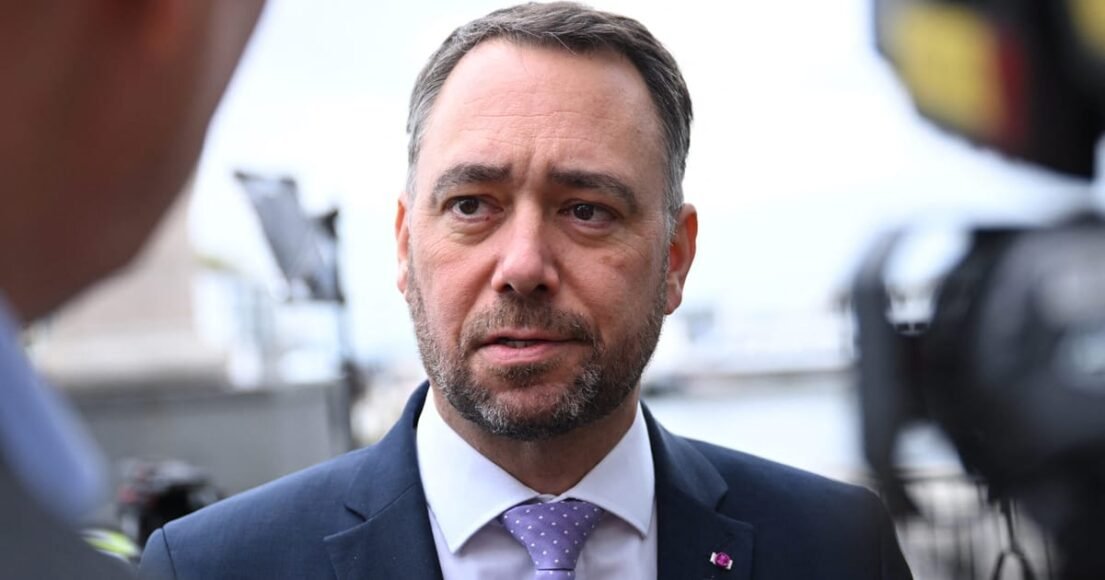
Speaking on behalf of the UN Country Team, Humanitarian and Resident Coordinator Marcoluigi Corsi conveyed condolences and concern: “Recent reports show an alarming loss of life, extensive injuries, and many still missing as search-and-rescue efforts are ongoing.”
Emergency Response Underway
Corsi emphasized the urgency of the disaster response, noting that the UN and its partners are actively mobilizing to support affected communities across the country. He stressed that assistance is being deployed “wherever people are,” despite numerous logistical hurdles.
The quakes hit regions near Mandalay and Sagaing, with tremors also felt across Bago, Magway, Nay Pyi Taw, and parts of Shan State. The impact has left hospitals overwhelmed and critical transportation and communication systems in disarray.
With homes destroyed or at risk, thousands of people are now living outdoors, fearing further aftershocks. International humanitarian teams from around 20 countries have arrived—including rescue personnel, medical teams, and sniffer dogs—armed with millions of dollars in emergency aid. This response comes amid an ongoing civil conflict that has already displaced millions since the military coup in February 2021.
Compounding an Existing Crisis
“Even before the earthquakes struck, around 20 million people in Myanmar were in need of humanitarian assistance,” Corsi stated. “This tragedy further worsens an already critical situation, weakening the ability of communities to recover from years of conflict, displacement, and previous natural disasters.”
The UN Humanitarian Country Team is conducting rapid needs assessments in collaboration with local and international partners, focusing on particularly vulnerable groups, including women, children, the elderly, and people with disabilities.
Corsi urged that alongside emergency interventions, attention must also be given to long-term recovery and building resilience to future shocks.
UN Boosts On-the-Ground Presence
To aid the immediate response, the UN has allocated $15 million in emergency funding. Relief supplies—including shelter materials, medical kits, hygiene items, and food—are arriving steadily. Some of these resources were pre-positioned in anticipation of potential needs.
“We have a strong presence in Mandalay and the surrounding regions,” Corsi said, “and we are doing everything within our power to reach those in need, though challenges remain immense.”
He warned that continued support will be essential in the days and weeks ahead to stave off a deeper humanitarian catastrophe.
The World Food Programme (WFP) announced plans to initially reach 100,000 of the hardest-hit individuals with ready-to-eat meals and expand food and cash-for-food assistance to approximately 800,000 people over the coming month.
UN Calls for Ceasefire
UN Special Envoy for Myanmar Julie Bishop released a statement on Monday expressing solidarity with the people of Myanmar and emphasizing the broader implications of the crisis.
“This earthquake has exposed underlying vulnerabilities in Myanmar and highlights the urgent need for sustained international engagement,” said Bishop.
Referring to the ongoing civil conflict, in which military control has weakened across much of the country due to resistance from armed opposition groups, Bishop called on all parties to ensure humanitarian relief workers can operate safely and unimpeded.
She warned that continued military actions in the earthquake-affected zones could worsen the catastrophe, endanger civilians, and obstruct vital aid delivery.
Bishop called for an immediate ceasefire to support rescue and recovery operations and safeguard civilian lives. She underscored that she is coordinating closely with Emergency Relief Coordinator Tom Fletcher and the UN Country Team in Myanmar, as well as regional partners, to strengthen the collective response.
As Myanmar confronts multiple crises at once—natural and man-made—the United Nations has reiterated its commitment to providing life-saving aid and helping the country navigate this unprecedented humanitarian emergency.








Leave a Reply