


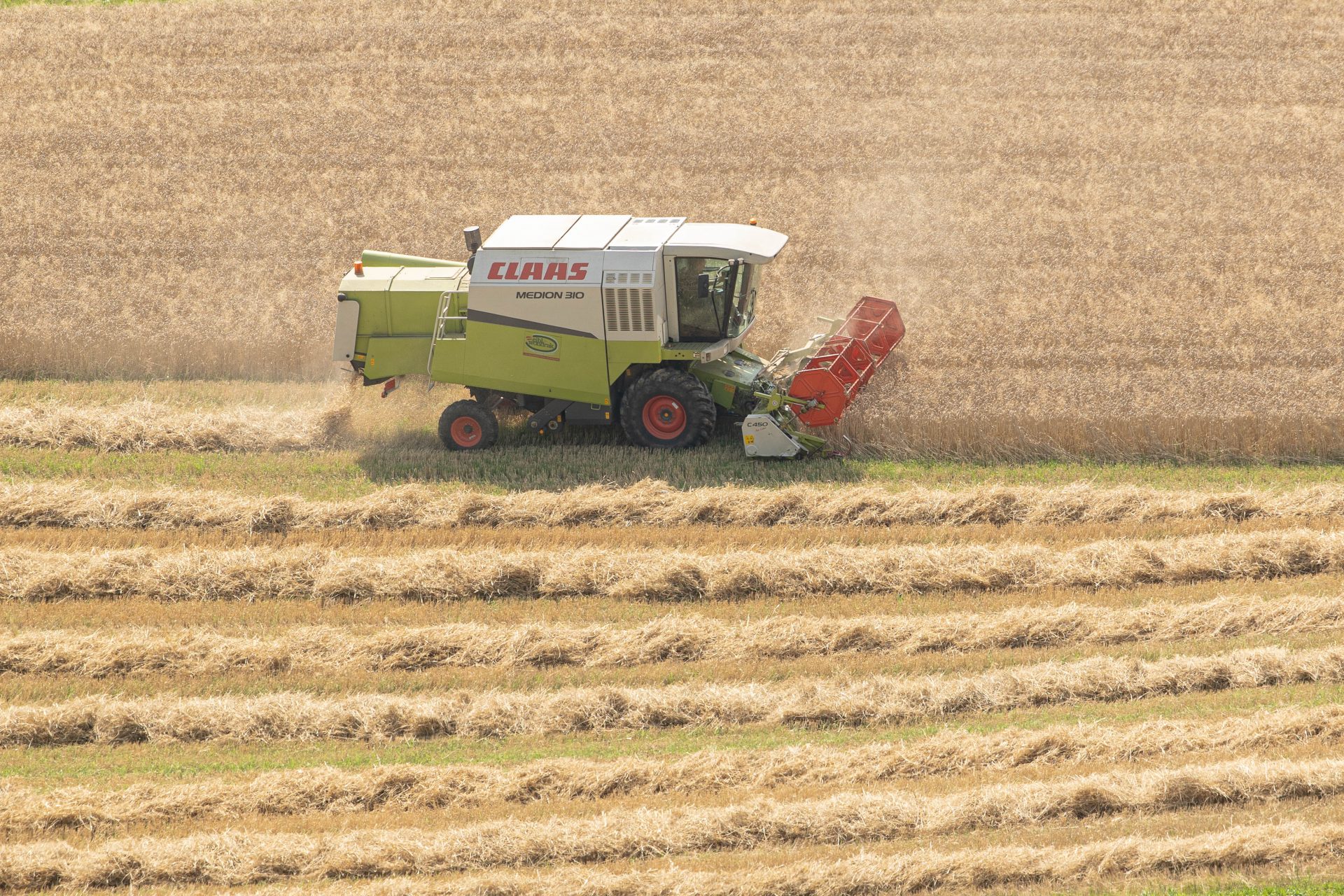
On Friday, EU member states reached a consensus on regulations governing the use of new genomic techniques (NGT) in plant breeding, thanks to a proposal initiated by the Polish presidency. Negotiations with the European Parliament on this issue are anticipated to commence at the end of April.
Ambassadors from EU member states, led by Poland’s presidency, concluded discussions on the new NGT regulations, which have been in progress for over a year and a half under the guidance of the previous presidencies—Spain, Belgium, and Hungary.
The primary goal of these regulations is to exempt plants developed using specific NGT methods from the stringent genetically modified organism (GMO) regulations that previously applied to them. EU lawmakers argue that the distinctions between NGT and GMO techniques are significant enough to warrant different regulatory approaches. GMO techniques involve cross-species hybridization and the introduction of entire “packages” of foreign genes, whereas genomic techniques enable precise modifications that could naturally occur. The new regulations are designed to enhance crop resilience against climate change challenges, such as droughts and floods, while also minimizing reliance on pesticides and synthetic fertilizers.
The draft legislation categorizes NGT plants into two groups, each subject to different regulations. The first group, NGT1, encompasses plants modified to such a minor extent that similar changes could be achieved through conventional methods, with NGT techniques merely expediting the process. The second group, NGT2, includes plants with over 20 modifications, where achieving such results naturally would be quite challenging.
Plants in the NGT1 category will be exempt from GMO regulations, while the NGT2 category will remain subject to restrictions, requiring breeders to perform risk assessments and obtain marketing approval. Member states retain the authority to prohibit NGT2 breeding.
The agreed draft regulation also specifies that NGT techniques cannot be used in organic farming.
Member states will now engage in negotiations with the European Parliament regarding the rules for patenting and labeling NGT products. This aspect of the talks may prove complex, as the limited number of new genomic technologies are often owned by universities or research institutions that license them to large corporations for seed production.
Presently, four multinational corporations dominate the market, while EU nations assert that breeding should be accessible to a broader range of farmers rather than concentrated within large enterprises. Consequently, the draft regulation proposes the creation of an expert group focused on NGT patents, and it mandates the European Commission to produce a report assessing the impact of patenting on breeding and sector competitiveness one year after the regulations are implemented. Discussions will also address labeling requirements for NGT plants, particularly those in the second category.
Despite the agreement to move forward, EU capitals remain divided on the issue. The UK has emerged as a leader in NGT use for plant breeding, while several EU countries, referred to as “hawk states,” are interested in adopting British methodologies, including the use of NGT in organic farming. These countries include Sweden, Denmark, and Spain.
Conversely, some nations express skepticism, such as Germany and Austria. Austria’s reservations stem from its position as a major producer of organic goods in the EU, making it economically averse to introducing NGT plants into its agriculture. Germany’s hesitation is politically motivated, as the Greens currently hold the agriculture ministry and maintain a cautious stance towards NGT.
Poland has not engaged in discussions concerning NGT for several years. In 2023, after the European Commission proposed the regulations, Polish authorities issued a negative response. However, the agriculture ministry has recently revisited the topic, signaling a willingness to negotiate.
Major European agricultural organizations, such as COPA and COGECA, have expressed support for the ongoing work, highlighting the legislation’s importance for ensuring food security in Europe and fostering innovation, as stated in a release on Wednesday. (14..03.2025)











Leave a Reply