



Hopes Shattered as Gaza Returnees Face Harsh Realities
Tess Ingram, Communications Manager for UNICEF in the Middle East and North Africa, recently visited northern Gaza, where she observed people navigating the streets on donkeys, bicycles, and in cars.
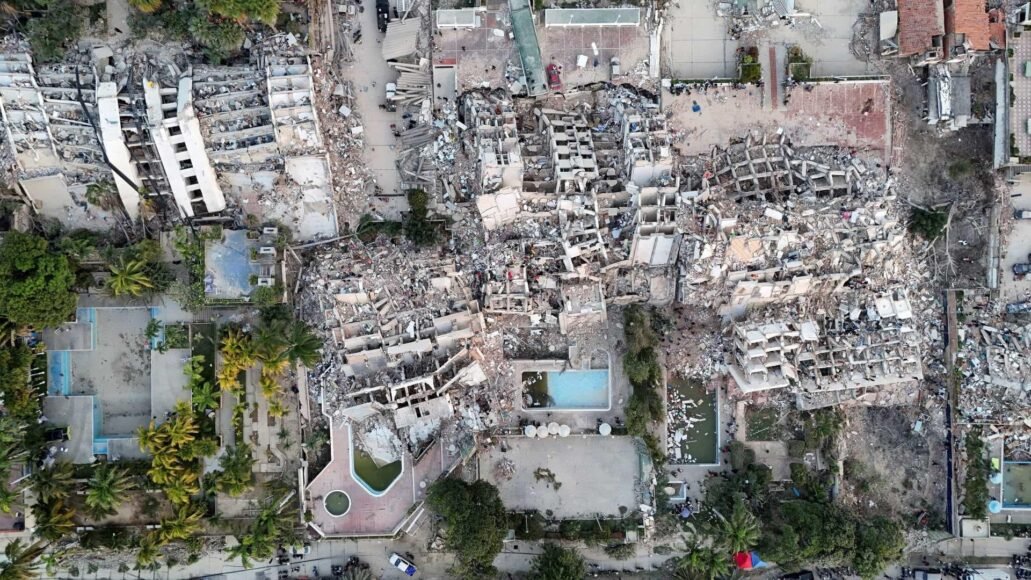
A City in Ruins
“There are many people with shovels clearing rubble, while others erect makeshift tents where their homes once stood,” she shared with UN News.
Many residents had longed to return for over 15 months, initially overwhelmed with joy upon arrival. However, that joy quickly turned to sorrow as they faced the harsh reality of their devastated city.
“They hoped to find their homes standing or reunite with loved ones, but instead, many are realizing their homes are gone and their families are incomplete,” Ingram said.
Conditions remain dire. Ingram visited a school-turned-shelter housing both returnees and those displaced throughout the war. She met a mother with five children in desperate need of food, winter clothing, and shelter. “This is not just one family’s story—there are likely thousands in the same situation,” she emphasized.
Perilous Journeys Home
Returning families endure long and treacherous journeys. Ingram’s recent trip from Al Mawasi in central Gaza took 13 hours, while for some families, the journey stretched up to 36 hours.
“The journey itself is incredibly dangerous,” she said. “People are being killed by unexploded ordnance hidden beneath the rubble.”
Aid for Returnees
UNICEF is providing essential aid, including medical and nutrition supplies, fuel for hospitals and bakeries, and water pumps for clean drinking water.
On Wednesday, UNICEF, along with other UN agencies, delivered 16 trucks of fuel to supply hospitals, bakeries, and water wells, helping to restore essential services. Additionally, mental health support for children is being prioritized, along with nutrition screenings and immunization programs.
Reuniting Lost Children
Hundreds of children have reportedly been separated from their families during their northward journey. UNICEF is addressing this issue by providing young children with identification bracelets containing their names and family contact details.
“This gives them a better chance of being reunited with their loved ones,” Ingram explained.
Massive Displacement and Movement
Humanitarian reports indicate that families continue returning to northern Gaza, taking advantage of a sustained ceasefire. Since Monday, over 462,000 people have crossed from the south via the Salah ad Din and Al Rashid roads.
The UN and its partners are offering displaced families water, high-energy biscuits, and medical care along these routes. Meanwhile, the World Food Programme (WFP) is setting up additional food distribution points in the north.
Conversely, some Palestinians continue migrating south, though in smaller numbers, with approximately 1,400 making the journey as of Thursday.
Restoring Basic Services
Efforts to restore critical services in Gaza are ongoing. The UN and its partners are working to repair vital infrastructure and deliver aid.
WFP has supplied more than 10,000 metric tonnes of food since the ceasefire began, and on Thursday, 750 trucks entered Gaza with essential supplies. UNICEF also distributed 135 cubic meters of water to areas that had been besieged for months.
In addition, 35,000 liters of fuel were sent to northern Gaza to sustain essential water and sanitation services. Humanitarian organizations are also coordinating with Gaza’s electricity company to repair damaged power lines supplying desalination plants.
Escalating Violence in the West Bank
Meanwhile, tensions continue to rise in the West Bank. Israeli military operations have expanded beyond Jenin and Tulkarm into the Tubas governorate.
On Wednesday, an Israeli airstrike in the village of Tammun killed ten Palestinians, bringing the death toll in northern West Bank operations to 30, including two children.
Since December, more than 3,200 families have been displaced from the Jenin refugee camp due to clashes between Palestinian Authority forces and Israeli military operations.
Humanitarian organizations are providing displaced families with food, medical supplies, hygiene kits, and other essential aid.







Leave a Reply