



Tragedy in China: Deadly Earthquake Strikes Remote Region
At least 126 people lost their lives and 188 others were injured following a powerful 7.1-magnitude earthquake that struck Dingri County, a remote area near Mount Everest, according to media reports. The tremors were reportedly felt across Nepal, Bhutan, and parts of northern India.
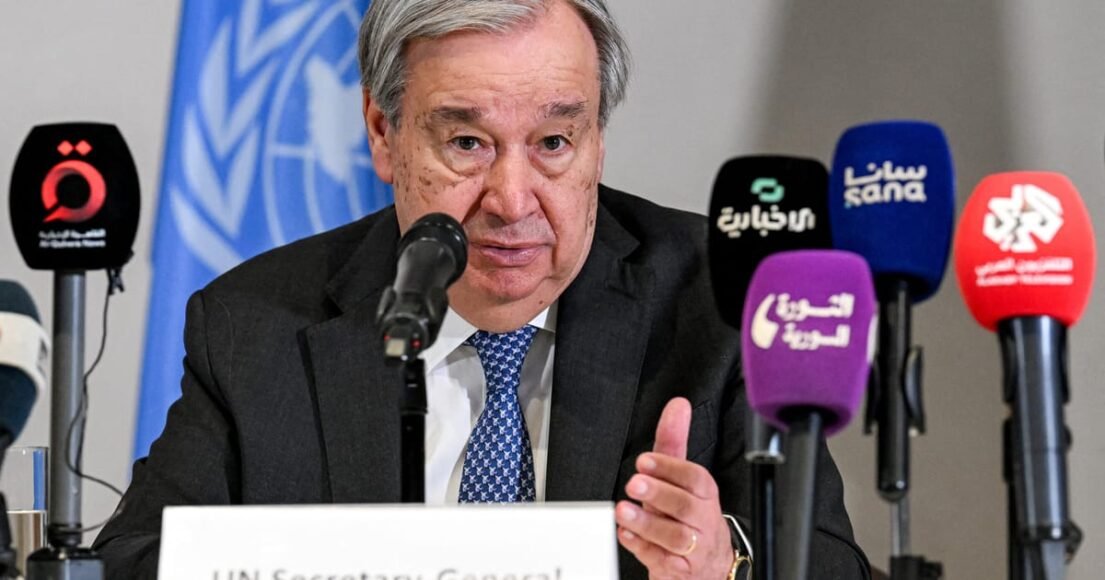
UN Secretary-General António Guterres, through spokesperson Stéphane Dujarric, conveyed his condolences to the victims’ families and wished a swift recovery for the injured. The United Nations is actively monitoring the situation and has expressed its readiness to provide assistance if requested.
—
Syria: UN Calls for Restraint Amid Reported Alawite Killings
The UN Office of the High Commissioner for Human Rights (OHCHR) has urged restraint in Syria following reports of targeted killings of individuals from the Alawite community and other minority groups. The atrocities reportedly took place after the overthrow of the Assad regime, which historically aligned with Alawism, a branch of Shia Islam.
Speaking in Geneva, OHCHR spokesperson Liz Throssell confirmed awareness of videos allegedly depicting the killings in cities like Homs. She emphasized the importance of abiding by international humanitarian and human rights laws, particularly concerning the protection of minorities. Throssell also highlighted the need for authorities to avoid retaliation and restore order.
Reports suggest women have also been assaulted for activities deemed inappropriate, such as walking with unrelated men. Ms. Throssell stressed the necessity of security measures to safeguard all individuals and ensure perpetrators are held accountable.
—
Iran: Alarming Surge in Executions Draws UN Condemnation
The UN human rights office expressed grave concern over a dramatic increase in executions in Iran. In 2024, at least 901 individuals were executed—far surpassing the 853 executions recorded in 2023—with 40 people executed during a single week in December.
UN High Commissioner for Human Rights Volker Türk condemned the executions, describing them as incompatible with the fundamental right to life. He called for an immediate halt to the death penalty, emphasizing the “unacceptable risk” of wrongful executions.
Most executions were related to drug offenses, though protestors and dissidents linked to the 2022 demonstrations following the death of Mahsa Amini in police custody were also among those executed. Additionally, 31 women were executed in 2024, many of whom were domestic violence victims convicted of murdering spouses or victims of forced marriage. Reliable reports suggest that executions in Iran reached their highest number in decades in 2015, with 972 recorded cases.
—
Central African Republic: New Law to Safeguard Human Rights Defenders
The National Assembly of the Central African Republic (CAR) recently passed groundbreaking legislation aimed at increasing protections for human rights defenders. This move was lauded by the UN’s independent expert on human rights in the CAR, Yao Agbetse.
Agbetse described the legislation as a “historic milestone” for recognizing and protecting individuals and organizations working to defend fundamental rights. The law, adopted on December 27, 2024, strengthens safeguards for freedom of expression, assembly, and demonstration while shielding human rights defenders from reprisals.
Key provisions include enhanced security measures, legal support, and mechanisms to ensure human rights defenders can continue their work without fear of persecution. Agbetse hailed this law as a victory for those advocating for justice, equality, and democratic progress in CAR.
—
Food Crisis Funding: New Report Highlights Gaps
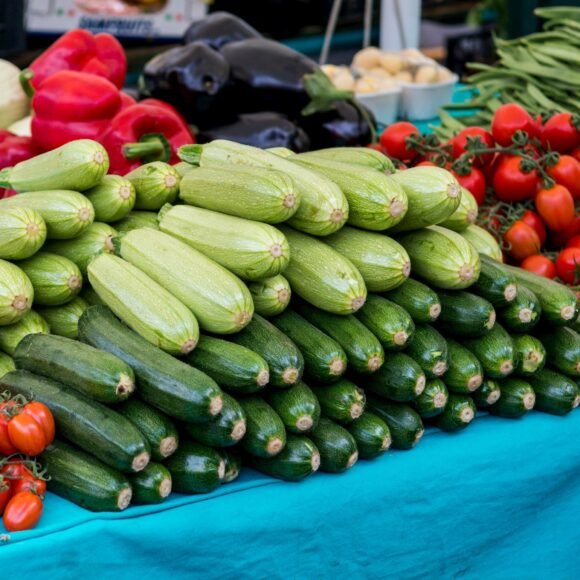
The 2024 Financing Flows and Food Crises report from the Global Network Against Food Crises—comprising the UN Food and Agriculture Organization (FAO) and other partners—reveals a troubling disconnection between financial aid and growing global hunger. Despite 281 million people facing acute food insecurity in 2023, humanitarian aid for food sectors fell by 30 percent compared to 2022.
While humanitarian assistance has increased by 56 percent since 2016, development-focused agricultural funding remains insufficient. Only three percent of development assistance globally addressed food-related needs, compared to 33 percent of humanitarian funding targeting food insecurity.
Regions such as East Africa and the Middle East were hit particularly hard by funding reductions, with East Africa losing nearly $1.4 billion in aid in 2023. The report underscores the urgent need for integrated solutions addressing both immediate hunger and structural vulnerabilities. Investments in agriculture, rural development, and forestry are highlighted as critical to fostering long-term resilience.
To bridge these funding gaps, the report calls for stronger data systems and improved coordination among donors, emphasizing sustainable interventions to alleviate the global food crisis.








Leave a Reply