



Brussels – A coalition of eight prominent Non-Governmental Organizations (NGOs) has lodged a formal complaint with the European Ombudsman, criticizing the European Commission’s handling of the Omnibus proposal, which they claim was rushed, opaque, and undemocratic.
These NGOs argue that the European Commission hastily developed the Omnibus proposal using non-transparent procedures that sidelined democratic accountability. They allege the EU executive failed to include proper impact assessments and bypassed public participation, prioritizing corporate interests over meaningful environmental and human rights protections.
The coalition contends that only a narrow group of industrial stakeholders had influence over the proposal’s development, leading to the weakening of crucial EU sustainability legislation.
What is the Omnibus proposal by the European Commission?
Unveiled in February 2024, the Omnibus plan seeks to modify existing EU sustainability regulations by exempting small European companies from certain reporting obligations under the Corporate Sustainability Reporting Directive (CSRD) and reducing due diligence requirements for larger firms regarding human rights and environmental standards in their supply chains.
The plan directly affects key legislative measures including the CSRD, the Corporate Sustainability Due Diligence Directive (CSDDD), and the EU Taxonomy Regulation — all central to the EU’s broader Green Deal agenda.
According to various media reports, the Commission held closed-door meetings with oil companies such as Eni, ExxonMobil, and TotalEnergies, alongside other industrial interests, prior to unveiling the Omnibus plan. The group of NGOs behind the complaint includes major advocacy organizations like the World Wildlife Fund and Human Rights Watch.
Which 8 NGOs filed the complaint?
The following NGOs submitted a joint complaint to the European Ombudsman in opposition to the Omnibus proposal:
- Anti-Slavery International
- Clean Clothes Campaign
- ClientEarth
- European Coalition for Corporate Justice
- Friends of the Earth Europe
- Global Witness
- Notre Affaire À Tous
- Transport and Environment (T&E)
What are the NGOs’ primary concerns?
In a joint statement, the NGOs emphasized their opposition to what they described as an “assault on three cornerstone regulations of the Green Deal.” They argue that the Commission’s approach disregards both human rights and environmental considerations, and was conducted with no public input or substantive impact evaluations.
“The Omnibus plan was devised without any public participation, with little evidence or environmental and social impact evaluations, and a major focus on limited industrial interests. This careless decision not only undermines sustainability laws but also decreases public faith in the EU’s democratic principles,”
They further warn that the plan runs counter to the EU’s environmental and democratic values and could undermine both economic stability and long-term competitiveness. The group insists that strong sustainability legislation like the CSRD and CSDDD is vital for maintaining Europe’s global competitiveness in a market increasingly driven by ethical consumer and investor expectations.
They stated, “The European Commission is disregarding both evidence and science; this so-called simplification does not improve competitiveness. Robust sustainability regulations are essential to ensure EU companies lead in responsible global practices. Weakening such standards would be a step backward.”
Key Allegations Made by the NGOs
The NGOs’ main allegations against the European Commission include:
- Failure to properly assess the environmental and social implications of the proposed changes to laws protecting citizens in the EU and globally.
- Conducting private consultations
Comments
4 responses to “8 NGOs Challenge European Commission Over Undemocratic ‘Omnibus’ Process”
-
Imagine a world where the big suits hold secret meetings, and then voila—suddenly, everything’s “simplified” for them while the little guy gets left in the dust. Bravo, EU Commission, your magic trick of making democracy disappear should be on stage at the next cabaret! 🎩✨
-
Fascinating how the European Commission is suddenly a fan of “streamlining” democracy—who knew their motto was “efficiency over accountability”? 🤔 Guess we can all just sit back and watch the corporate interests play chess while the rest of us are left holding the bag! 💼
-
Oh, brilliant! Let’s just toss democracy out the window and let a few oil barons run the show—sounds like a recipe for success! 🙄 Maybe next, we can skip elections altogether and just have a “whoever-shouts-loudest” contest. 🥳
-
Oh, brilliant! A secret meeting with oil giants to hash out an Omnibus proposal—who needs democracy when you can have private chats over a pint, eh? 🍻 It’s like giving the keys to the candy store to a bunch of toddlers and expecting them to do the right thing! 😂

Last News

Dublin Challenges Europe’s Budget Boundaries
Meanwhile, the critical regional election
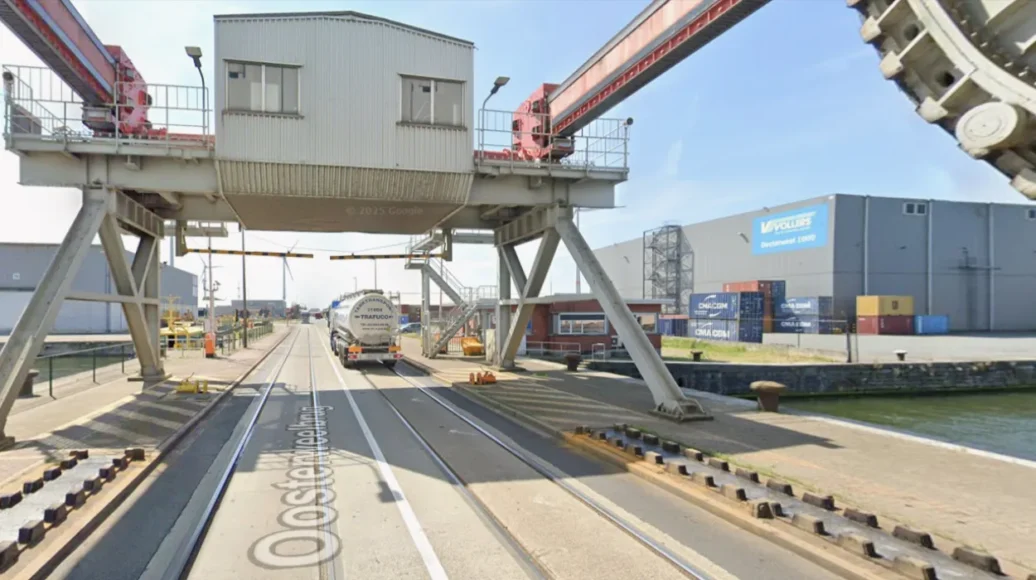
Oosterweel Works Close Deurne On-Ramp on Antwerp Ring for Weekend
Antwerp (Eurotoday Newspaper) – Motorists heading from Deurne onto the Antwerp Ring (R1) towards Ghent and Brussels will face a full closure this weekend as part of the ongoing Oosterweel connection programme.
The Deurne entrance will be fully blocked from Friday night September 4th, starting at 23:00, through Sunday morning September 6th, until 11:00, as announced by the traffic information an
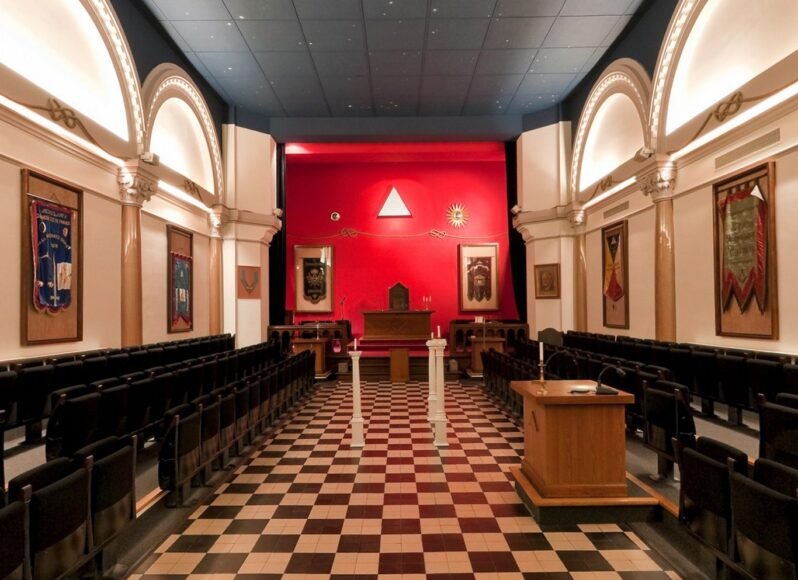
Ceremonial: Addressing Brethren in Freemasonry
In different rituals, specific titles are used at each initiation degree during official meetings. In the 1st and 2nd degrees, Masons are called Brethren; in the 3rd, Worshipful Masters; in the 4th, Secret Masters; in the 5th, Worshipful Secret Masters; in the 6th, Guardians of Solomon; in the 7th, Priests and Judges; in the 8th, Gloriou
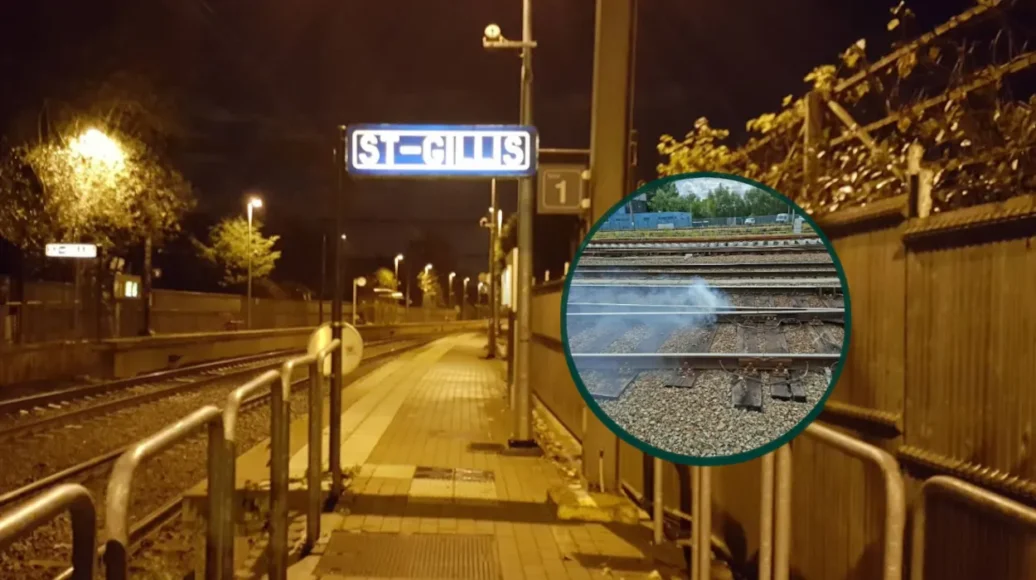
Train Services Disrupted by Minor Track Fire in Sint-Gillis-Dendermonde
Dendermonde (Eurotoday Newspaper) – Train traffic was temporarily halted on Wednesday afternoon after a small fire broke out on the railway tracks at Boonwijkstraat in Sint-Gillis-Dendermonde, a locality within the Dendermonde municipality in East Flanders, Belgium.
While the event was initially described as a trackside fire in initial reports and not one in a train, it did lead to the appropri

China Threat Strengthens Support for EU Industrial Policy
The IAA aims to mitigate this pressure, restricting Chinese investments in strategic sectors like EVs, raw materials, or solar pan

Poison Claims Life of Last Wild Bearded Vulture in Bulgaria
Conservationists are voicing their concerns following the mass poisoning of vultures in Central Balkan National Park. They demand strict enforcement of wildlife protection laws, harsher penalties for crimes against protected species, and immediate action against the use of poisoned baits.
The protest was spurred by a mid-August poisoning event in the Balkan Mountains that resulted in the deaths
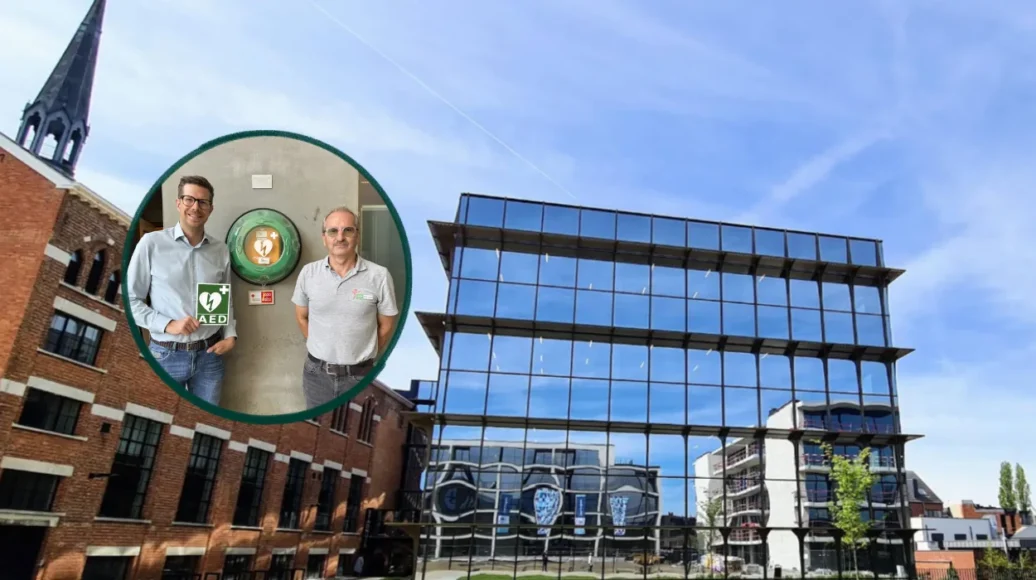
Beringen Enhances AED Network with Three New Sites and Nine Upgrades
Beringen (Eurotoday Newspaper) – The city of Beringen has announced a significant expansion of its automated external defibrillator (AED) network, installing devices at three new locations while replacing nine older units to ensure reliable emergency cardiac care across the municipality.
What Does the New AED Expansion Include?
The new phase in the development of the Beringen Automated External

Poland’s Tusk claims Moscow likely responsible for drone factory arson
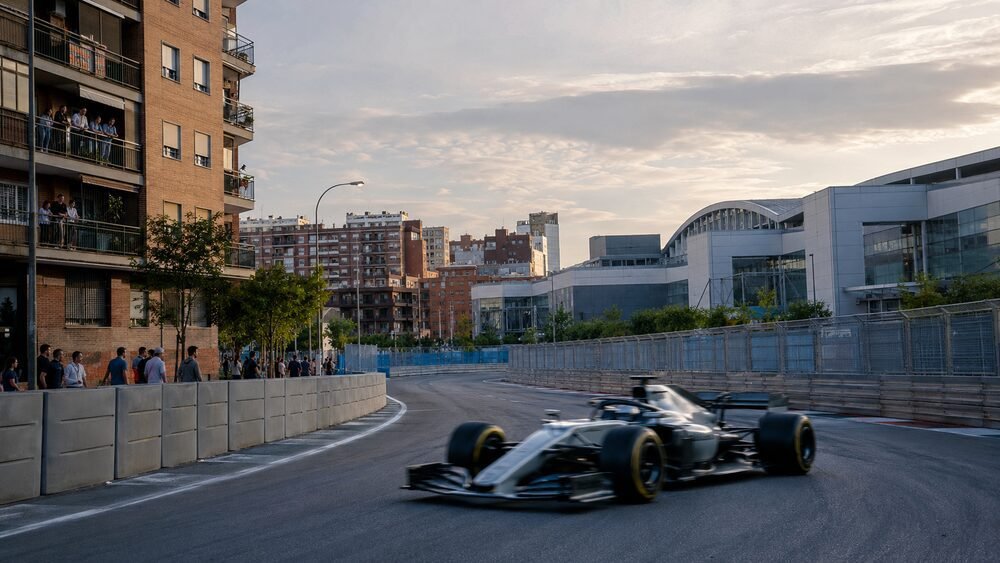
Madrid F1 Track Confronts Noise Challenge
Madrid’s first Formula One Grand Prix at the new Madring circuit is approaching under a cloud of neighborhood concern after residents recorded high noise levels during recent Formula Three sessions. City officials have promised acoustic barriers
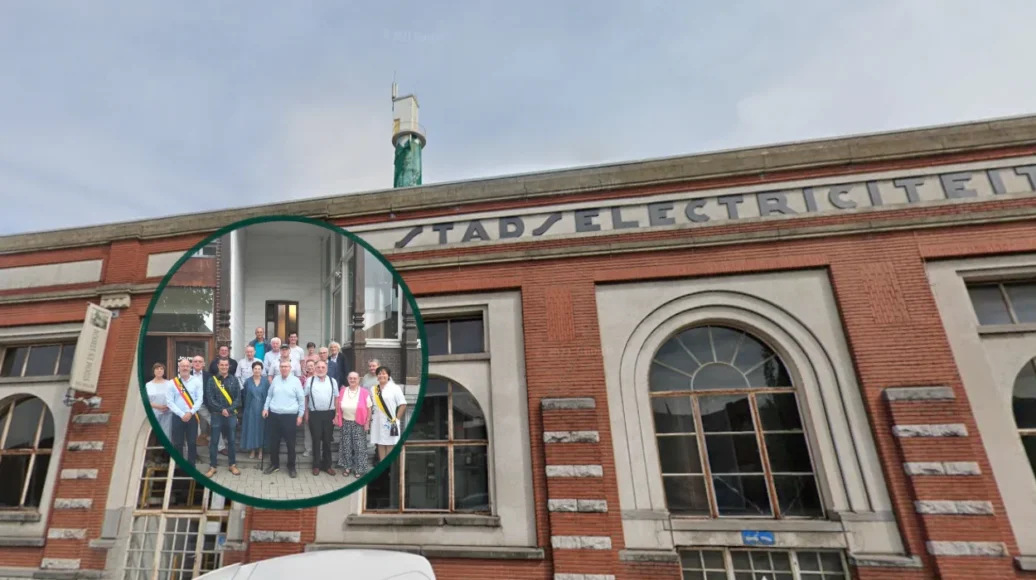
Izegem Steam Friends Celebrated at 125-Year Steam and Electricity Festival
Izegem (Brussels Morning Newspaper) – Izegem will be celebrating its volunteer group called the “Steam Friends” as part of a year-long celebration to commemorate the 125 years since steam and electricity have powered Izegem’s industries and community. This will culminate in an event on Sunday, 13 September 2026 at the Museum Stoom en Stroom, where the city, its heritage volunteers, and the regio
Leave a Reply