


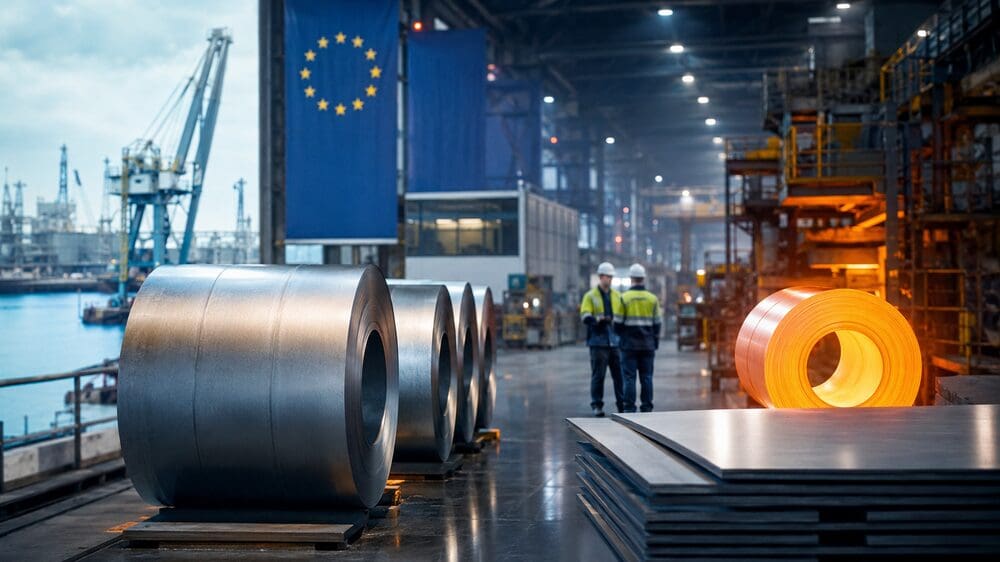
New import quotas and higher duties to replace EU’s expiring steel safeguards on 1 July
The European Union has finalized new steel market protection rules, enhancing its trade defence system just weeks before current safeguards expire. The measures include tighter tariff-free import quotas, increased duties on excess imports, and stricter origin-tracing requirements, aiming to protect the steel industry, deemed vital for competitiveness, defence, and the green transition.
The EU Council announced that ministers approved a regulation to shield the bloc from the trade impact of global steel overcapacity. This new law will replace the expiring safeguard regime on 30 June and will be enforced starting 1 July 2026.
According to the Council-approved regulation, the EU will lower import quotas and impose higher duties on steel exceeding those limits. A “melt and pour” requirement will also be added to identify steel origins and prevent circumvention through third countries.
Brussels acts before safeguards lapse
This decision concludes a legislative process accelerated due to the need to replace the 2018 safeguards. Without a replacement, the EU risks increased exposure to redirected steel flows as other major economies implement their own trade barriers.
The Commission plans to set duty-free quotas at 18.3 million tonnes and apply a 50% duty on imports beyond the quota. It is consulting the industry on the documentation required to verify “melt and pour” origins, with detailed guidelines expected after a targeted Commission consultation later this year.
These measures follow an earlier proposal to halve tariff-free steel imports and double duties above the quota, as reported by The European Times as part of the EU’s broader effort to protect the industry from global overcapacity.
A strategic industry under strain
Steel is critical for European manufacturing, infrastructure, clean energy, and defence, but faces weak demand, high energy costs, and import pressure. EU bodies warn of global overcapacity surpassing Europe’s consumption, endangering producers with low-priced supply that might not reflect normal market dynamics.
The EU steel sector employs around 300,000 people and has seen a significant decline in capacity and jobs since 2007. Officials link the sector’s longevity to Europe’s ability to invest in low-carbon industrial production.
For proponents, the regulation balances open trade with industrial security. Critics, including those reliant on competitively priced steel, argue that it might increase costs or disrupt supply chains. Trade partners will scrutinize quota allocations, especially regarding EU economic security, WTO compatibility, and relations with candidate countries.
Implementation becomes the focus
The next phase involves enforcement, demanding clarity on documentation, quota access, and origin checks for customs authorities, importers, and producers before full implementation.
Ukraine’s situation remains sensitive, with EU lawmakers emphasizing that Ukrainian steel should not be seen as a global overcapacity source while its industry faces Russia’s aggression and as Kyiv progresses on its EU membership path.
This regulation signals Brussels’ intent to align industrial policy and trade defence with security and strategic autonomy. Its impact on stabilizing Europe’s steel sector without excessively burdening consumers and downstream manufacturers will become evident after the rules are enforced in July.
Comments
One response to “EU Steel Shield Passes Final Hurdle Ahead of July Launch”
-
Looks like the EU is really rolling out the red carpet for steel, just in time for summer! Who knew quotas and duties could be the hottest topics of the season? 😏💼
-
Looks like Brussels is really flexing its muscles with these new steel rules! 🏋️♂️ Who knew protecting our precious steel could require a PhD in bureaucracy? 😂

Last News

Brussels Aims to Make Europe ‘Smokefree’ – European Parliament Already Has a Plan
Brussels’ target to make Europe ‘smokefree’ by 2040 is faltering. High taxes, messy regulations, and a booming market for illegal cigarettes are undermining Europe’s anti-smoking efforts. Lately, though, the European Parliament has begun claiming smokefree successes and falling smoking rates. Has Brussels finally found a route to making its smokefree dream a reality?
For a population to be consi

Législatives 2027 : l’autre élection capitale

EU Considers ‘Trade Bazooka’ as Tensions Rise Over US Greenland Tariffs
EU leaders are scheduled to gather in Brussels on Thursday following Trump’s warning that eight European nations would encounter increased tariffs until the U
EU Steel Shield Passes Final Hurdle Ahead of July Launch
New import quotas and higher duties to replace EU’s expiring steel safeguards on 1 July
The European Union has finalized new steel market protection rules, enhancing its trade defence system just weeks before current safeguards expire. The measures include tighter tariff-free import quotas, increased duties on excess imports, and stricter origin-tracing requirements, aiming to protect the steel

Roche Upholds German Investment Plans Amid Global Pharmaceutical Market Attention
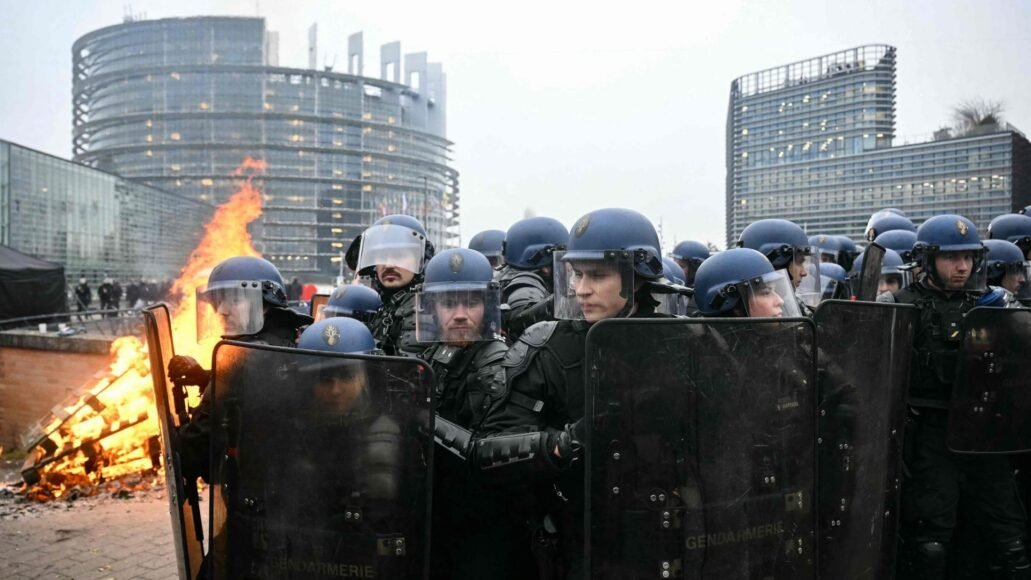
Thousands of Farmers Demonstrate Against Mercosur Deal Outside EU Parliament
Local officials reported approximately 5,000 protesters and several hundred tractors participated in the demonstration, coinciding with a plenary session of the European Parliament taking place that week.
EU lawmake

Turkey and Australia to Advocate for Global Electrification Goal at UN Climate Summit
The plans are included in the summit’s action agenda, intended to coordinate voluntary climate efforts, not the formal negotiations needing the consensus of almost 200 attending governments.
Some action agenda eleme

Spain’s Constitutional Court Safeguards Reporting of Psychiatric Violations
According to CONFILEGAL, the Constitutional Court declined an “amparo

Concerns Rise Over Tyre Lebanon Evacuation After 2026 Israeli Warning
The war
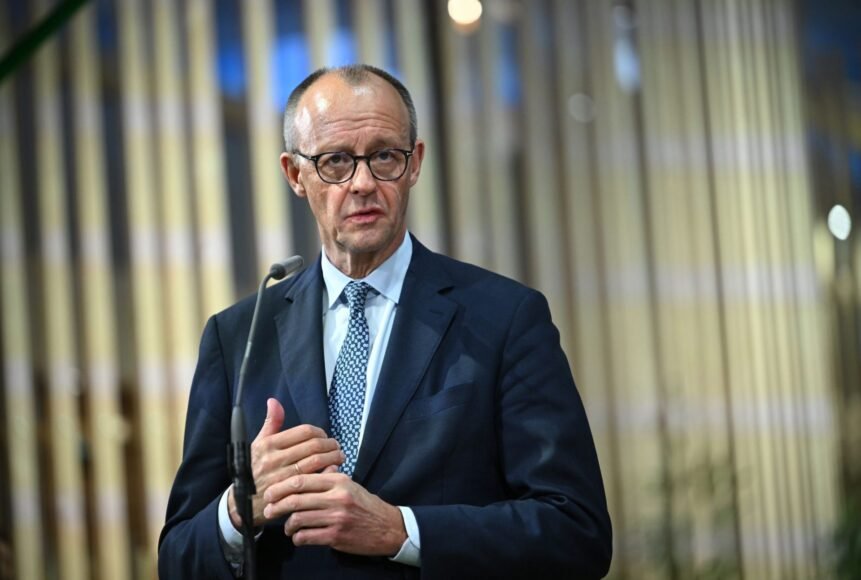
German Chancellor Criticizes EU Parliament for Legal Review of Mercosur Trade Agreement
“I regret that the European Parliament has placed another hurdle in our path,” Merz stated to political and business leaders at the World Economic Forum in Davos on Thursday. “However,
Leave a Reply