


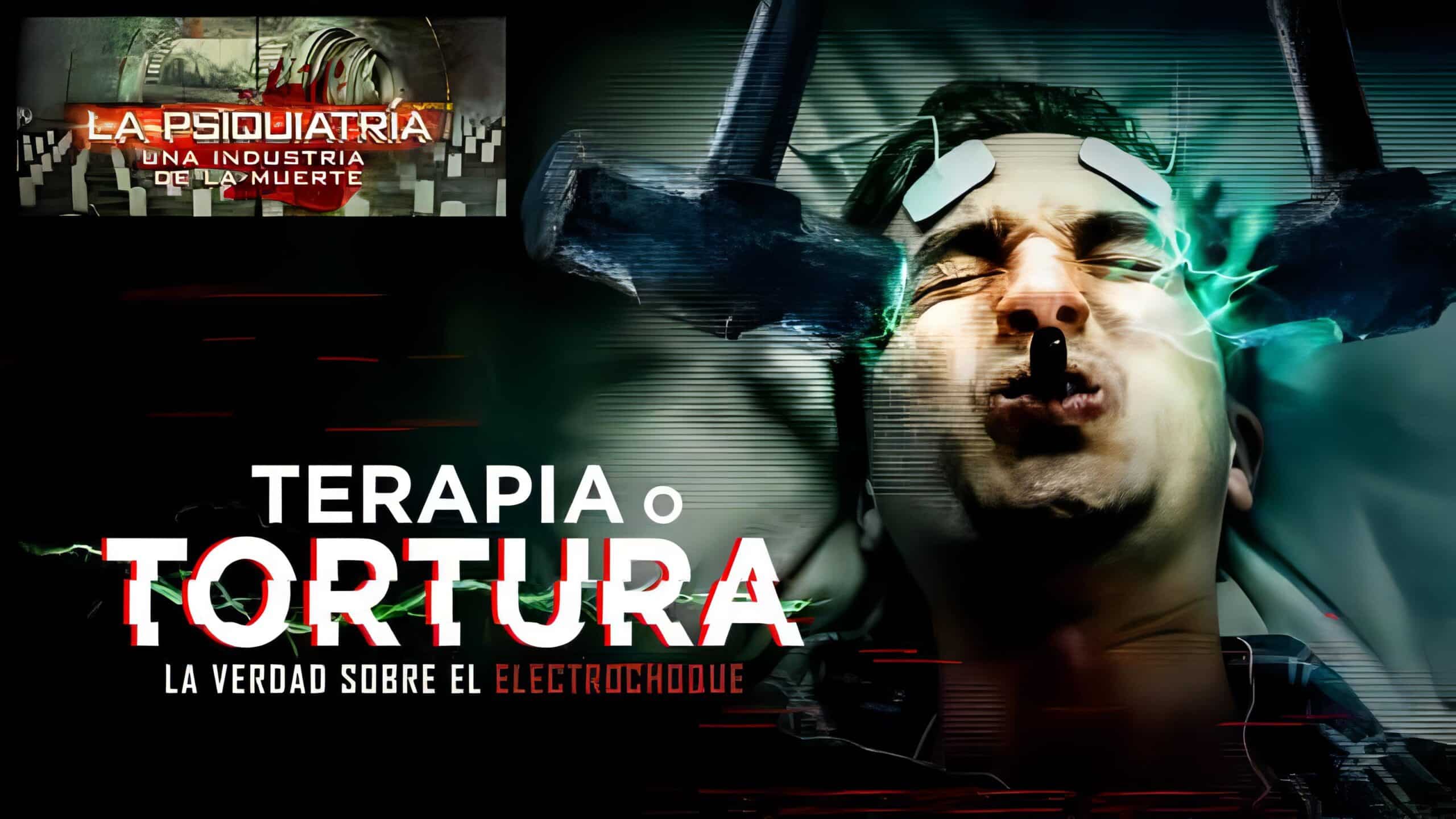
Spain’s Constitutional Court has dismissed an appeal by the Spanish Society of Psychiatry challenging a Supreme Court decision that supported the Citizens Commission on Human Rights and its Spanish branch. This decision upholds a significant judgment favoring freedom of expression and public oversight in psychiatry.
According to CONFILEGAL, the Constitutional Court declined an “amparo” appeal from the Spanish Society of Psychiatry against a ruling favorable to CCHR and CCDH Spain. This leaves the Supreme Court’s conclusion intact, emphasizing that harsh criticism of psychiatric practices is protected under freedom of expression when part of public interest debate.
For CCHR International and CCDH Spain, this confirms that civil society groups can voice concerns about psychiatric practices, including involuntary commitments and treatments lacking informed consent.
CONFILEGAL reports that the Constitutional Court saw no justification to admit the appeal, citing the lack of a constitutional rights violation, thus affirming the Supreme Court’s 2024 decision. The SEP’s initial claim of reputation damage from CCHR and CCDH publications was overturned by the Provincial Court of Madrid and later upheld by the Supreme Court, which clarified public criticism can’t be silenced merely for being severe.
The judiciary’s summary indicated the publications discussed issues of significant public interest, such as involuntary admissions and psychotropic drugs in children. This outcome arrives amidst growing scrutiny of mental health laws across Europe, with an emphasis on respecting dignity, autonomy, informed consent, and the right to refuse treatment.
The Spanish ruling is part of a broader European debate on freedom of expression in mental health. Although CCHR’s connection to Scientology is noted, the courts focused on whether their publications were part of public debate.
In pluralistic societies, organizations do not lose their right to speak due to controversial views. Freedom of expression is crucial when challenging authority, and professional bodies can’t use courts to suppress negative portrayals.
The ruling warns mental health institutions in Europe that public criticism won’t be silenced through litigation. As Europe moves toward rights-based mental health care, there’s pressure to align with the UN Convention on the Rights of Persons with Disabilities.
The outcome empowers CCHR to continue their advocacy against perceived psychiatric abuses and reinforces Spain’s support for strong protection of public-interest criticism. The Spanish courts affirm that the debate on psychiatry is essential and should not be silenced.










Leave a Reply