


Bulgaria Welcomes Foreign Workers Amid Labor Shortage and EU Pressure
The Bulgarian labor market is grappling with a severe personnel shortage, prompting employers to recruit a record number of seasonal workers from non-EU countries. Concurrently, the state administration is urgently digitizing and streamlining cumbersome hiring procedures to avoid hefty financial penalties from the European Union. These changes are outlined in a new government proposal to amend the Regulations for the Implementation of the Labor Migration and Labor Mobility Act.
Personnel Shortage Drives Worker Import Surge
Data from the Employment Agency highlights a troubling labor shortage in Bulgaria. Sectors experiencing the most acute deficits include construction, agriculture, industry, and tourism, with employers in these areas responsible for approximately 70% of market demand, planning to hire over 160,000 people.
To address these gaps, businesses increasingly rely on importing staff for short-term seasonal employment (up to 90 days). In the past three years, such registrations exceeded 75,000. In 2025 alone, 19,057 foreigners were hired for up to 90 days, nearly double the figure in 2024, which was 10,403.
EU Pressure and “Accelerated Procedure”
Alongside business needs, the pending legal changes come in response to an ultimatum from Brussels. The European Commission initiated infringement proceedings against Bulgaria for failing to correctly implement the seasonal workers directive. Without action, Bulgaria risks a European Court of Justice ruling and significant financial sanctions impacting the fiscal system.
To avert fines, Bulgaria is introducing an “accelerated procedure” for worker importation. Foreigners from third countries who have worked as seasonal workers in Bulgaria within the past five years will have their employment registration processed in just three working days.
Eliminating Paperwork and Queues
The current system has overwhelmed the Employment Agency, with an inability to timely process applications due to a massive volume of paper files, affecting employers.
New changes will fully digitize the process. Documents will be submitted electronically through the Secure Electronic Submission System, the e-Government Portal, or a specialized Production Platform for residence and work permits. The illegal requirement for foreigners to submit paper copies of personal documents is ending, aligning with the Bulgarian Personal Documents Act. Additionally, the process is being decentralized, allowing local labor offices to handle applications for seasonal work instead of everything being centralized in Sofia.
Support for Bessarabian Bulgarians
The reform also addresses a longstanding issue—the difficulty in hiring foreigners of Bulgarian origin, such as Bessarabian Bulgarians, while they await their permanent residence permits. Previously, institutional coordination failures prevented them from starting work immediately. From 2021-2025, only 890 people with proven Bulgarian origin registered for employment this way.
The Employment Agency will now automatically verify their status via the RegiX system, connected to the Migration Directorate of the Ministry of Internal Affairs, facilitating access to the domestic labor market for Bulgarians abroad. The government hopes these changes will both satisfy business labor demands and prevent looming EU sanctions. The challenge remains for the administration to swiftly adapt to the new digital landscape.
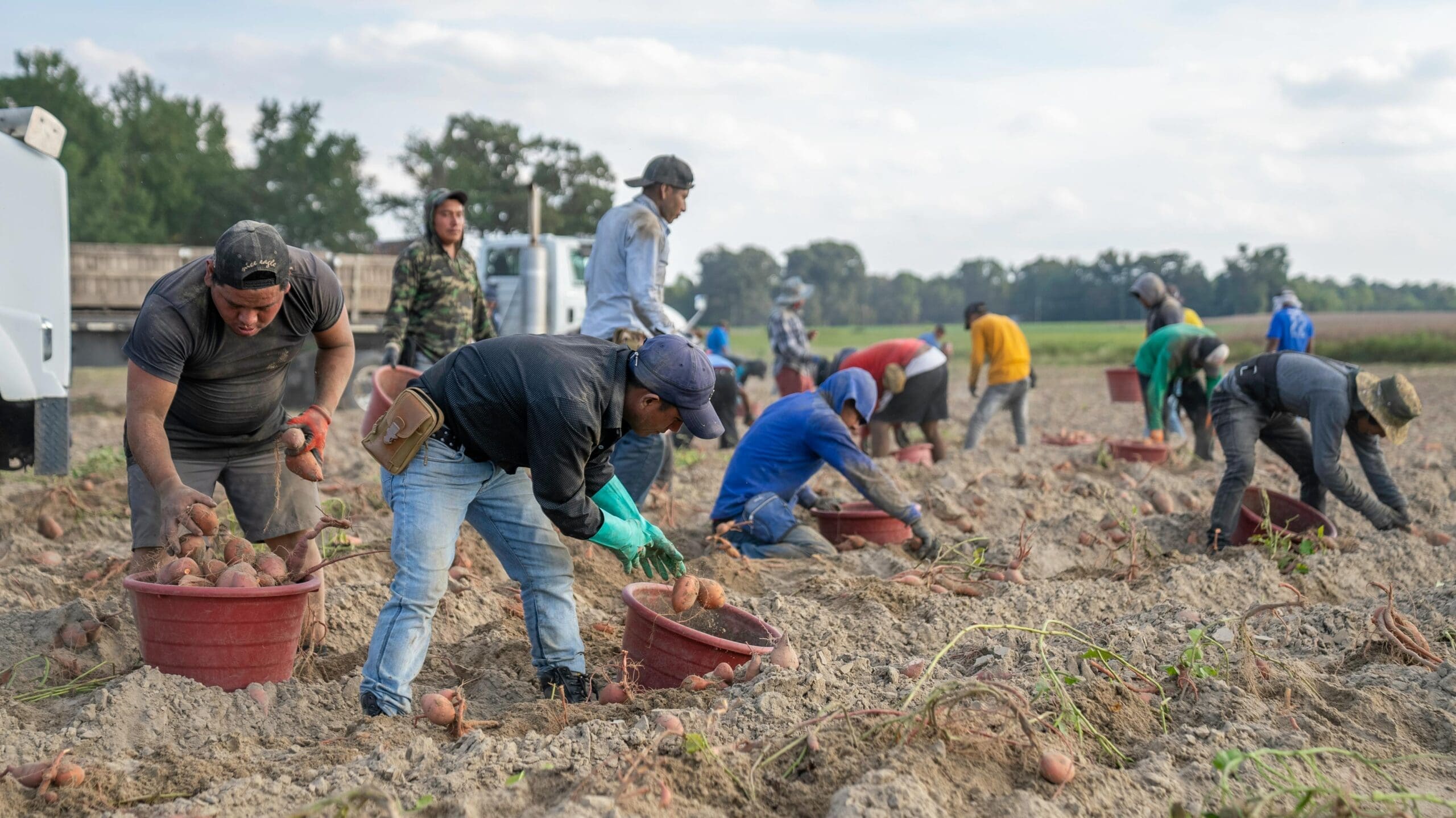
Illustrative photo: https://www.pexels.com/search/migrant%20workers/










Leave a Reply