


BRUSSELS—The European economy is encountering an unprecedented convergence of external shocks and structural challenges, described by European Central Bank (ECB) President Christine Lagarde as a dire “geopolitical storm” threatening the continent’s future. Her urgent warning comes amidst stalled trade talks, escalating geoeconomic espionage, and critical internal budget negotiations.
Traditional models of European prosperity are faltering in an era defined by US tariffs, geopolitical conflict, and the deepening economic integration of rivals like China. Lagarde emphasized the risk of deindustrialization and encouraged European leaders to act “urgently and decisively” to secure the Eurozone’s future.
The New Geoeconomic Battleground
A significant new threat is the asymmetric advantage gained by strategic rivals. Reports suggest Europe is lagging in economic intelligence, particularly concerning China.
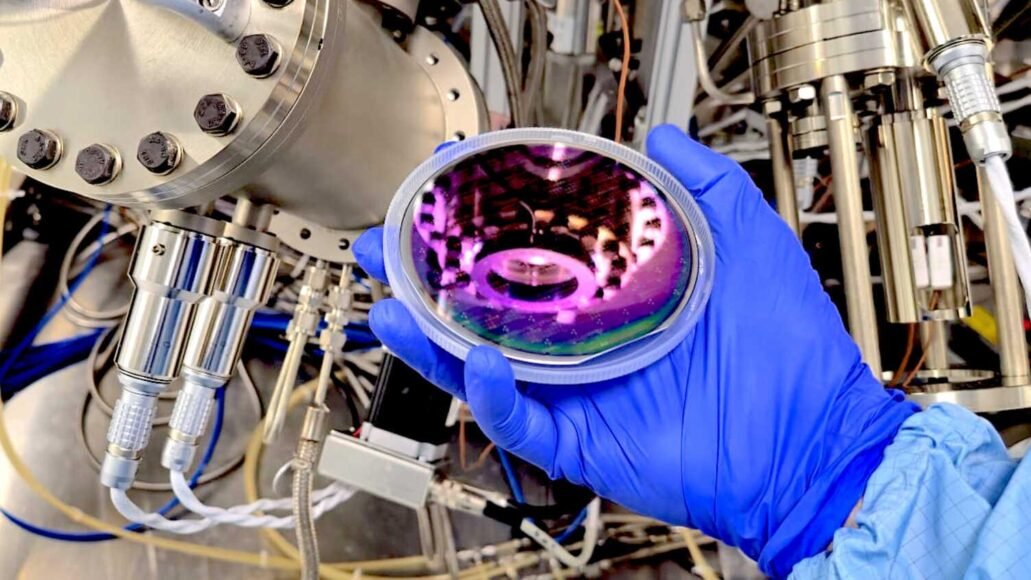
The Chinese leadership is allegedly using export restrictions, such as those on rare earths and permanent magnets, to collect granular data on European companies. By requiring Western firms to share sensitive information for export approvals, Beijing gains a detailed view of European corporate vulnerabilities.
Experts urge European policymakers to address this gap by creating a legal framework for businesses to share sensitive data with their own governments. In this new era of economic security, it’s argued that companies should feel safer sharing information with national authorities than with the Chinese Communist Party.
Stalled Trade and Internal Friction
The EU’s trade agenda faces obstacles, with ongoing negotiations for the India-EU Free Trade Agreement (FTA) still unresolved. Despite a shared geopolitical interest, divergences remain in sectors like automobiles and agriculture. Negotiating teams aim to achieve a meaningful trade package by year-end to diversify trade and enhance foreign direct investment (FDI).
Internally, Europe’s ambitions face political challenges. Major political blocs in the European Parliament reportedly plan to block a key part of the Commission’s budget proposal, potentially delaying the next long-term EU budget and hindering future strategic investments.
Resilience and the Path Forward
Despite challenges, the bloc has a major resilience instrument: NextGenerationEU. This €648 billion stimulus package supports Europe’s recovery and long-term changes, focusing on green and digital transitions, innovation, and boosting resilience across member states.
The European economy’s path forward requires a realistic view of its new geopolitical reality. The coming months will test if European leadership can turn urgent warnings into decisive, united action to secure its economic future and avoid being left behind in a rapidly changing global order.
You can watch an analysis of the ECB President’s address in this video: Christine Lagarde’s Urgent Warning: Europe’s Economic Storm.





Leave a Reply